Discovering the Heights: Spring Mountain District AVA — Napa Valley’s High‑Altitude Wine Tasting Destination

December 2, 2025

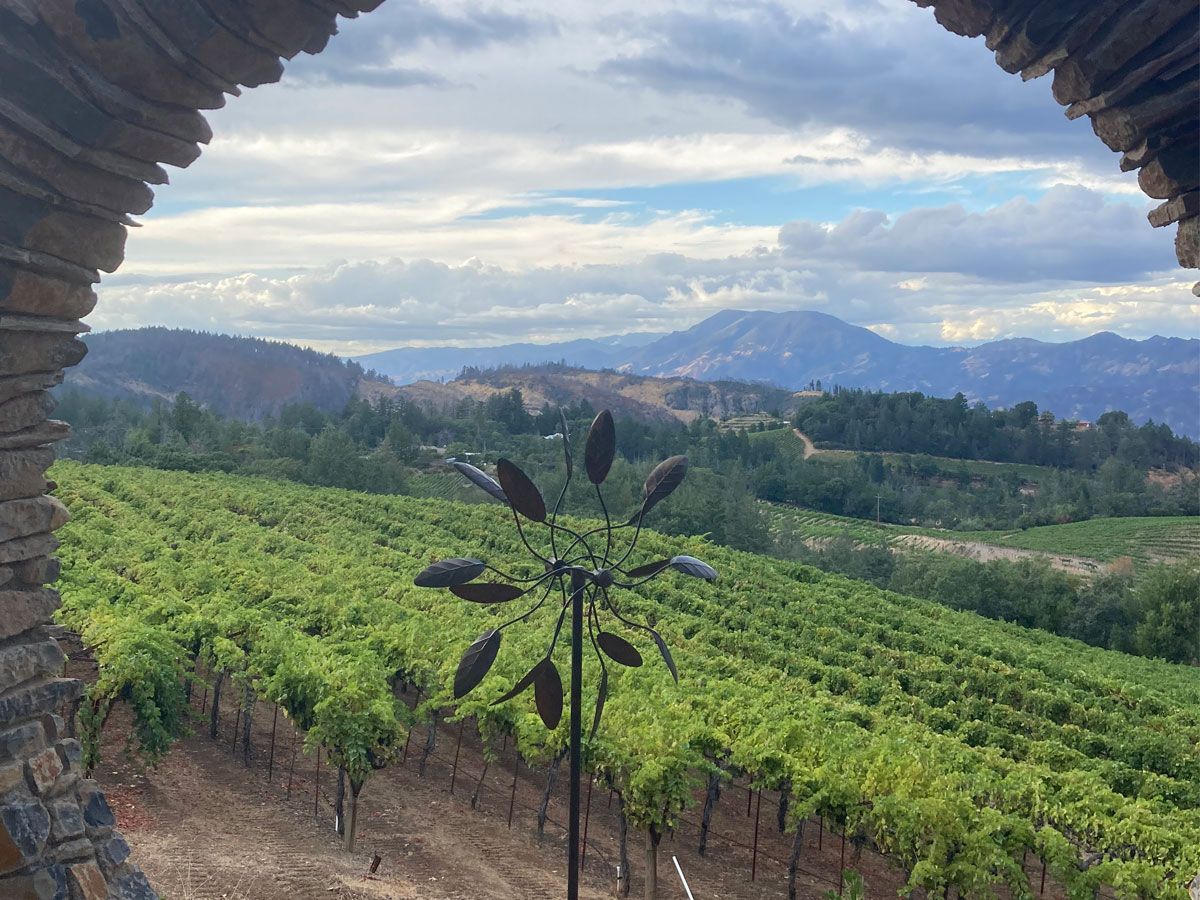
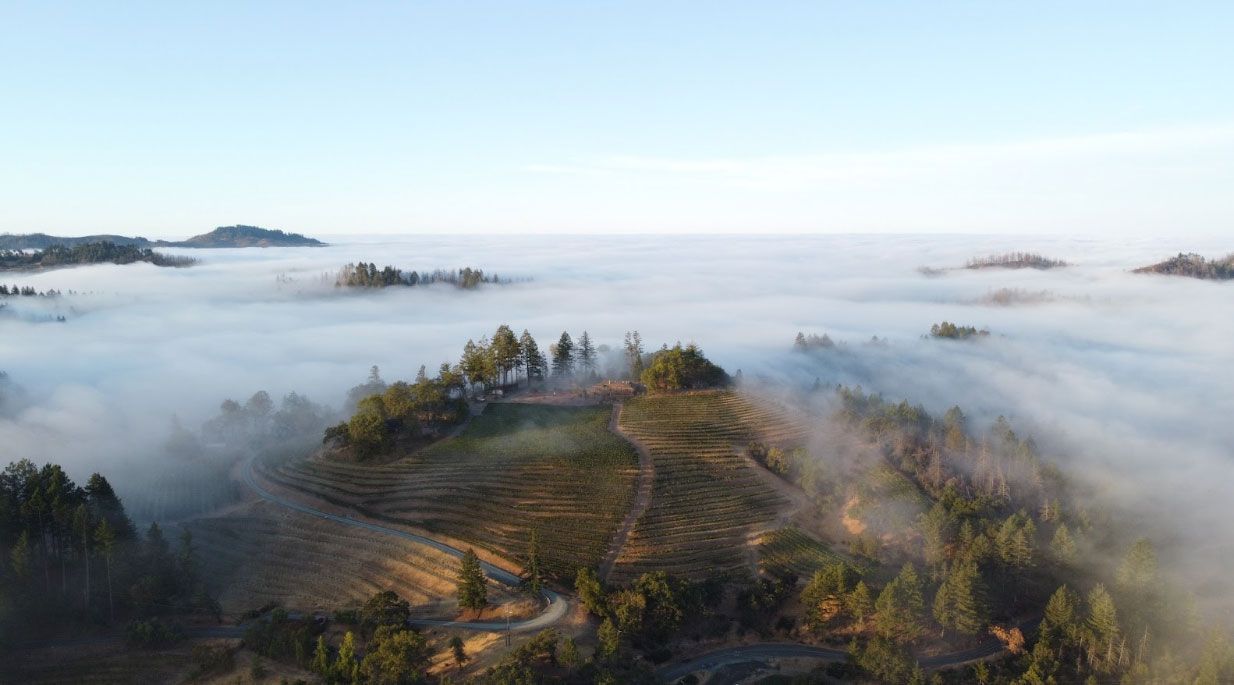
Nestled on the western slopes of the Mayacamas Mountains and overlooking the iconic Napa Valley, the Spring Mountain District AVA offers a truly elevated wine‑country experience. With vineyards planted on steep hillsides, above the valley floor, this mountain appellation is all about high altitude vineyards, dramatic terroir and a hospitality style grounded in family, craft and place.

Why elevation and terroir matter

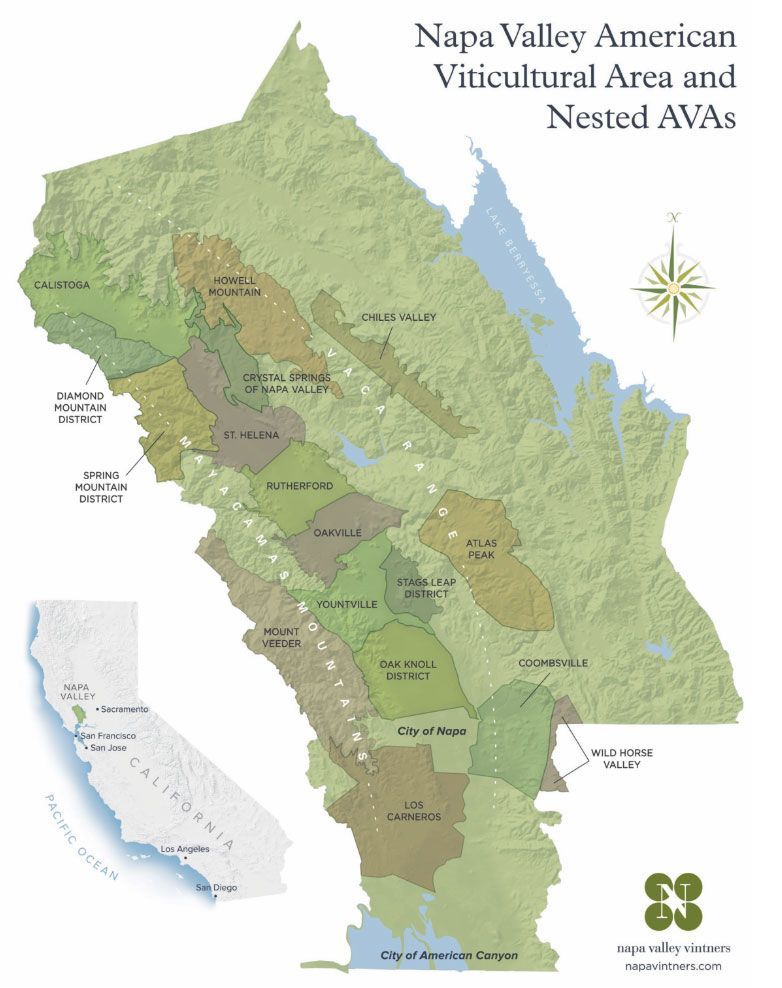
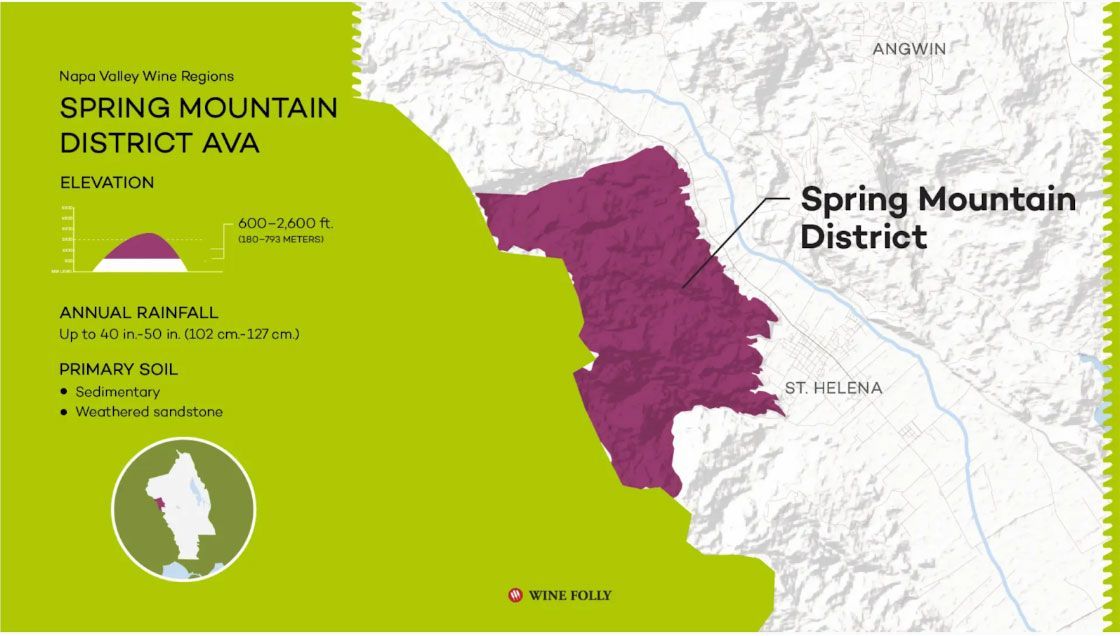
The appellation is defined by its elevation—vineyards range from approximately 400 feet to as much as 2,600 feet above sea level. Check out all of the American Viticultural Areas including spring mountain from Napa Vintners here.


These higher slopes mean cooler nights, more intense UV exposure and well‑drained soils—ideal for producing wines with structure, depth and longevity. On the official AVA page:


“The steep terrain … elevation ranging from 400 to 2,600 feet above sea level.” Napa Valley Vintners.


On Spring Mountain the soils are a mixture of sedimentary and volcanic rock, often thin, stressed and competitive—conditions that squeeze out intensity, concentration and minerality. (Wine Folly Napa Guides). 

elevation and rainfall map of Spring Mountain AVA

A destination for the well‑informed visitor

For those interested in visiting Napa wineries, especially off the valley floor, Spring Mountain offers something distinct: crisp air, sweeping views and a slower, more intentional pace away from tourist traffic. Many properties are family‑owned, limited in scale and embrace personal hospitality. The term Napa mountain winery really comes to life here. 


When you taste at a Spring Mountain estate, you’re likely tasting grapes grown on steep slopes, harvested thoughtfully, and made with care. The phrase high elevation wines is apt: wines that tend to be a bit more concentrated in flavor due to leaner soils vs. the right soils on the valley floor.

Spotlight on estates: the mountain‑vineyard line‑up

Below is a sampling of member wineries of the Spring Mountain District AVA drawn from the official directory. While not every estate is listed here, this gives a representative breadth of the region and its hospitality ethos.


  • Paloma Vineyard – Our own estate: 12.5 acres, family‑owned and operated, steep volcanic slopes, high elevation vantage, and intimate tastings by appointment.
  • Behrens Family Winery – Boutique scale, bold artistic label, small lots, approachable tasting but grounded in mountain quality. 
  • Keenan Winery – Focused on Bordeaux‑style wines with a supple, refined touch; sustainability is built into the operation.
  • Smith‑Madrone Vineyards & Winery – Established in 1971, known for dry‑farmed, mountainside vineyards at 1,300‑2,000 feet and a standout Riesling.


These estates reflect the diversity of styles, elevations and hospitality that make Spring Mountain special. Some focus on ultra‑premium Cabernet, some on expressive white wines, all grounded in mountain terroir.

Practical tips for your visit

  • Reservations only: Because of terrain, limited parking, fewer crowds and private‑style service, most mountain wineries require bookings in advance.
  • Allow time for the drive: The winding roads up Spring Mountain Road reward with open vistas and a sense of retreat from the valley floor.
  • Dress in layers & plan for elevation: Even on warm valley days, mountain slopes can be cooler and breezier. The phrase “highest elevation winery in Napa” can apply here.
  • Make it a story‑day, not a stop‑by: The mountain‑vineyard experience is enhanced when you pause, take in views, ask questions and immerse rather than rush. Book a whole day of tasting on Spring Mountain. That way you spend more of your time in vineyards and less in the car driving from place to place.

What Makes Mountain Wineries Different: A Guest’s Perspective

Visiting a mountain winery is a different kind of Napa experience—one defined by quiet beauty, hands-on hospitality, and a slower pace that feels like a rediscovery of wine country.


A Quieter Experience: Just minutes from the bustle of St. Helena, Spring Mountain feels worlds away. Guests enjoy a more peaceful, intimate atmosphere—no tour buses, no crowds, just the rustle of oak trees and the clink of glasses.


True Craft and Family Heritage: Many Spring Mountain wineries, including Paloma, are family-run and hand-tended. Visits often include personal stories, cellar tours with the winemaker, and the kind of one-on-one attention you won’t find in more commercial tasting rooms.


Steep Slopes and Small Vineyards: The terrain itself limits the scale—smaller vineyard blocks, fewer cases, and more thoughtful farming. That means every bottle you taste has been touched with intention.

What Makes Mountain Wineries Different: Climate, Soil, and Flavor

Mountain vineyards don’t just look different—they behave differently, too. The elevation and rugged topography of Spring Mountain shape the way grapes grow and how wine expresses itself in the glass.


Temperature Regulation

  • Slower Ripening: Grapes ripen gradually, developing layered flavors without excess sugar or alcohol.


Sunlight Exposure

  • More Intense UV Light: Higher sun exposure thickens grape skins, enhancing tannins, color, and complexity—especially in red wines.
  • Longer Sun Hours: With the right slope and aspect, vines benefit from steady ripening under extended daylight.


Diurnal Temperature Swings

  • Big Day-to-Night Swings: In general higher elevation means temperature fluctuation which encourages both acidity and flavor concentration, giving mountain wines their signature balance and depth. Do keep in mind this is slightly mitigated by coastal influence and the rainshadow effect bringing a milder climate to some areas on Spring Mountain.


Drainage and Soil Composition

  • Well-Drained Soils: Sloped vineyards have rockier soils which drain more efficiently, promoting deep, healthy root systems.
  • Low Fertility Soils: Poorer soils gently stress the vines, which encourages more concentrated, expressive fruit.


Reduced Disease Pressure

  • Lower Humidity: Higher altitudes mean less moisture in the air, reducing mold, mildew, and bugs as well—especially important for sustainable and organic farming.


Unique Terroir Expression

  • Microclimates: No two mountain blocks are exactly alike. From soil type to sun exposure, each creates distinct conditions that shine through in the final wine.

FINAL THOUGHTS

For wine lovers seeking more than just another tasting room, the Spring Mountain District AVA offers a destination rich in story, altitude, and terroir. Whether you’re exploring mountain‑vineyard sites, comparing high elevation wines to valley‑floor styles, or simply looking to indulge in a day of pause, luxury and genuine hospitality, this region delivers. At our own 12.5‑acre family estate on Spring Mountain, we feel privileged to work with the land, vines and slopes that define this setting—and we invite you to join us in tasting wine that carries its elevation in every sip.

By caston October 21, 2025
Wine tasting is more than etiquette and ceremony. It’s an opportunity to listen to your palate — to discover what flavors resonate most with you, so that in later tastings or purchases, you can ask for “more of that. ” When you can name what you like, you unlock a more rewarding, deeper wine experience. Below is your refined guide to wine tasting etiquette — yes — but always in service of helping you tune in to your preferences.
By caston August 18, 2025
At Paloma, Merlot is the soul of our story. It is the grape that founders Jim & Barbara fell in love with on their journey to Spring Mountain.  Picture this: it’s the late 1970s, and Barbara and Jim are visiting the Duckhorn vineyard, tasting their famed Three Palms Merlot. They lean into a sip and feel stirred—not just by the wine’s richness, but by its quiet elegance. That moment sparked something. They looked at each other and thought, “This is the wine we want to make. These are grapes we have to grow.” Before they even found the site, they had their hearts set on Merlot. By the time they found the raw land at the top of Spring Mountain, there was no changing their minds. Back then, planting Merlot at that elevation was almost unheard of—too cool, too risky. But they trusted their instincts and took the leap.
Paloma Vineyards, wine barrels in a vineyard
By caston July 2, 2025
Wine tasting and aging go hand in hand. Learn how patience and ritual shape each bottle into a story and train your palate with every sip.
A bottle of paloma wine is sitting on a stone wall in front of a vineyard.
By caston_treetops April 16, 2025
This medium-bodied wine shows vanilla, raspberry, cassis, and spice with a long finish. Taste it today and enjoy its elegant balance.
A bottle of palomino merlot is sitting in the grass
By caston_treetops April 16, 2025
Paloma’s 2019 Merlot opens with cranberry, cassis, and mocha notes, balanced by floral tannins. Taste this vintage and experience its lasting finish.
A row of trees in a vineyard with leaves on them.
By WSI March 26, 2025
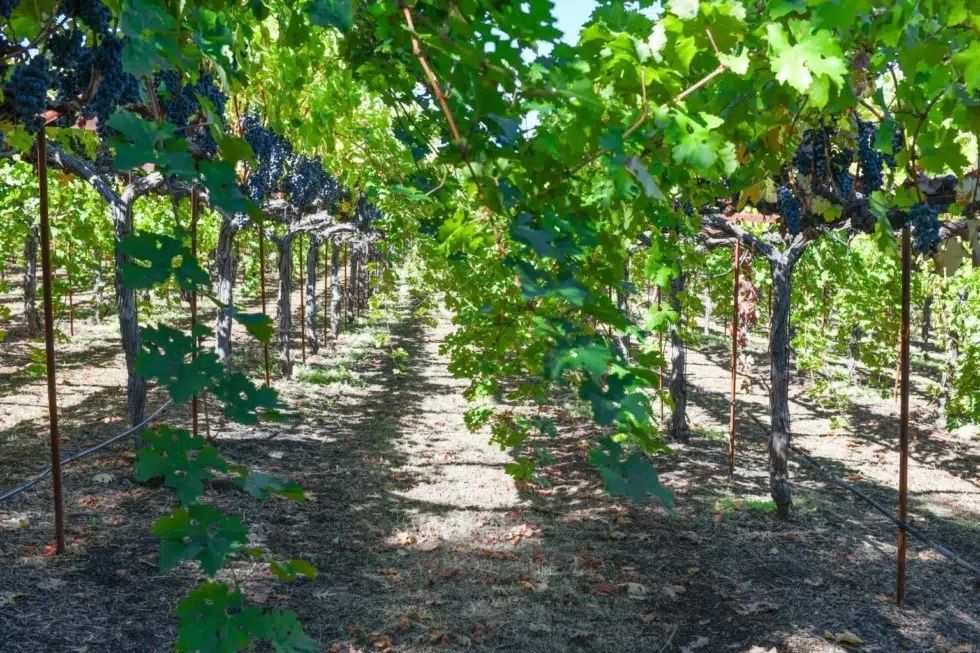
At Paloma Vineyard, sustainability is more than just a practice—it’s the foundation of everything we do. Nestled on Napa Valley’s Spring Mountain, our small, family-run vineyard has been embracing sustainable and regenerative farming for over four decades. Every choice we make, from cover cropping to solar power, reflects our deep respect for the land and our commitment to producing exceptional wines that honor both our family legacy and the environment.
A bottle of merlot is sitting on top of a pile of grapes
By WSI March 6, 2025
Break down Merlot’s flavor, structure, and styles. Read the facts and choose your next bottle.
A man is pouring a bottle of wine into a woman 's glass
By taste_2420_views_enjoy January 14, 2025
At Paloma Vineyard, tastings are personal and serene, with only nature and the winemaker’s voice. Visit us and experience Napa like home.
A bunch of grapes hanging from a vine in a vineyard.
By taste_2420_views_enjoy January 13, 2025
As Barbara said, “it starts in the vineyard.” Learn how sustainability shapes our Napa Valley practices and why it matters for the future of wine.
A group of people are sitting around a table in a living room.
By taste_2420_views_enjoy January 10, 2025
Since 1983, Paloma Vineyard on Spring Mountain has grown into a winery that feels like home. Visit us and experience the legacy in every glass.
Show More