Tasting Room to Table: How to Turn a Napa Visit into a Year-Round Ritual

March 3, 2026

Ask almost anyone who visits Napa Valley and they will tell you that they have been there multiple times or are planning to go again sometime soon. There is simply too much to see and taste in one trip especially when you account for the fact that there are around 600 wineries here in Napa.


That’s the magic of Napa. But here’s the good news—your visit doesn’t have to end when your flight home departs. With a little planning and a few insider tips, a Napa trip can turn into a year-round ritual that shows up on your dinner table, at gatherings with friends, and on those quiet Tuesday nights when you open something special “just because.”


This guide is about stretching the joy—practically, affordably, and intentionally—so the wines you fall in love with here, continue to make sense long after the vineyard glow fades.

Start With Intention, Not Overload

One of the most common mistakes people make is trying to do everything. Napa and Sonoma are rich—in wine, food, scenery, and stimulation. Too much of all three can leave even seasoned wine lovers feeling a little worn out.


Instead, think about pacing your trip like a well-balanced meal.


Localize Your Tastings by AVA

Rather than crisscrossing the valley, choose two or three wineries within the same area and stay put for the day. If Spring Mountain is calling your name, plan to spend the day on the mountain. Less driving means:

  • Less stress
  • Easier time management
  • More room to linger and ask questions
  • And yes, safer and more relaxed tasting


You’ll also discover how different wines can feel surprisingly connected when they share the same slopes, soils, and sunlight patterns.


Build in a Down Day

Many visitors try to combine Napa and Sonoma in a single trip. It’s doable—but it can be a lot. The wine and food are rich here. The scenery alone can be sensory overload.


Plan a rest day. Go for a hike. Sit by the pool. Sleep in. Let your palate reset. You’ll enjoy your next tasting far more when you’re refreshed, and your body will thank you.


Make Lunch Simple—and MemorablE

A sit-down lunch at a winery restaurant can be wonderful—but it’s not always necessary, especially if you’re trying to save a bit.


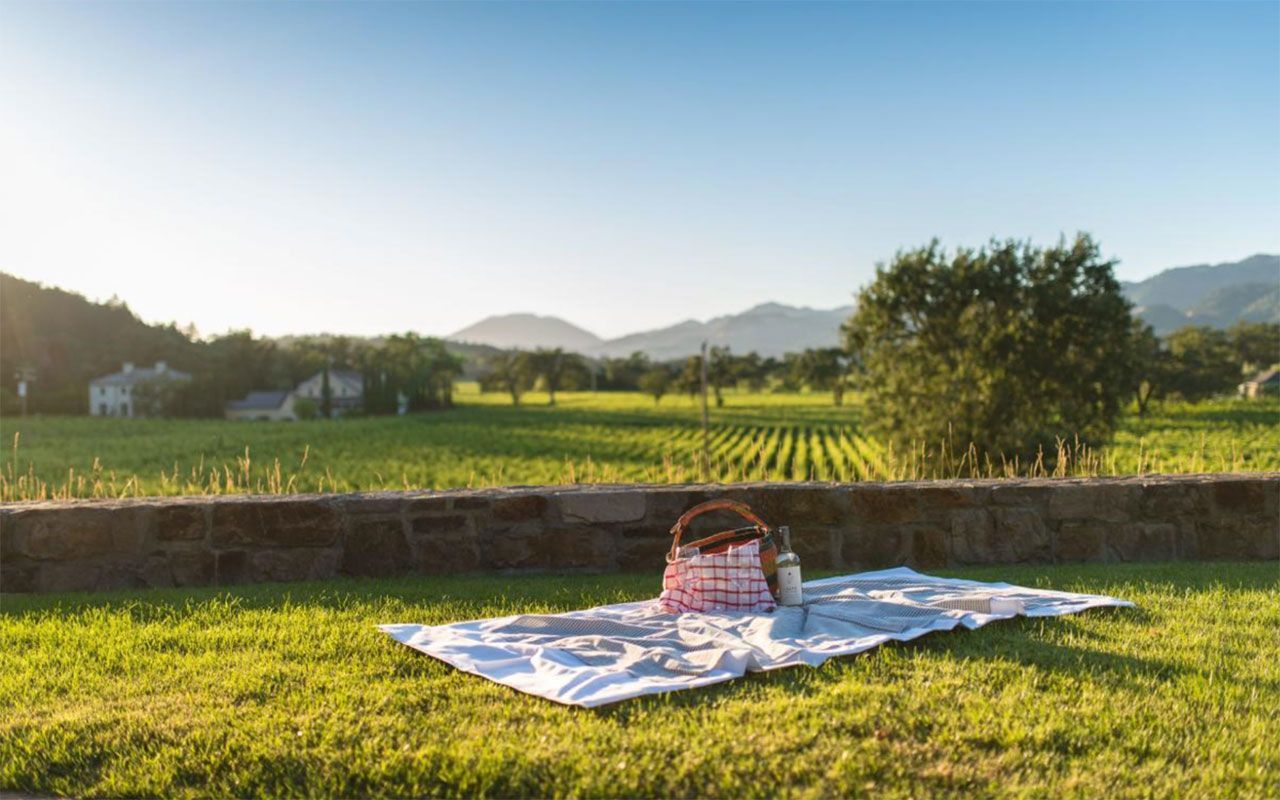
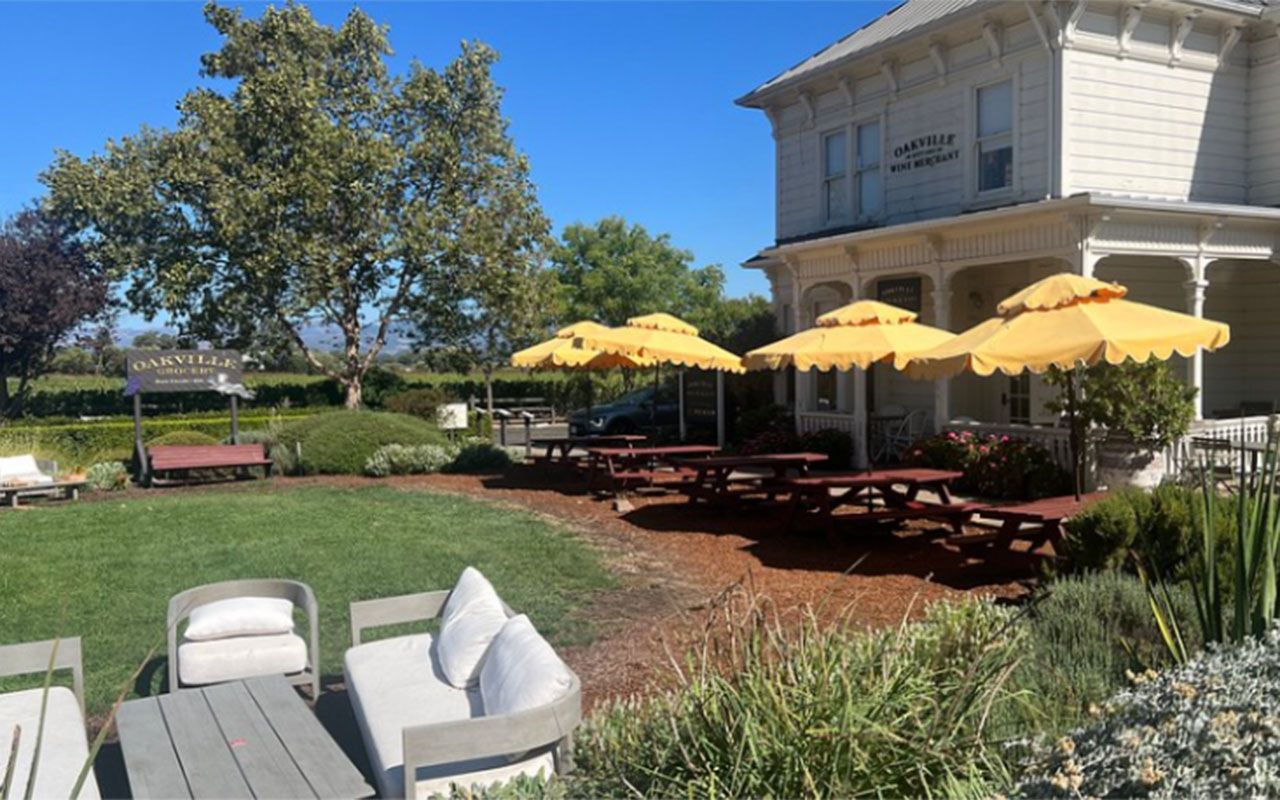
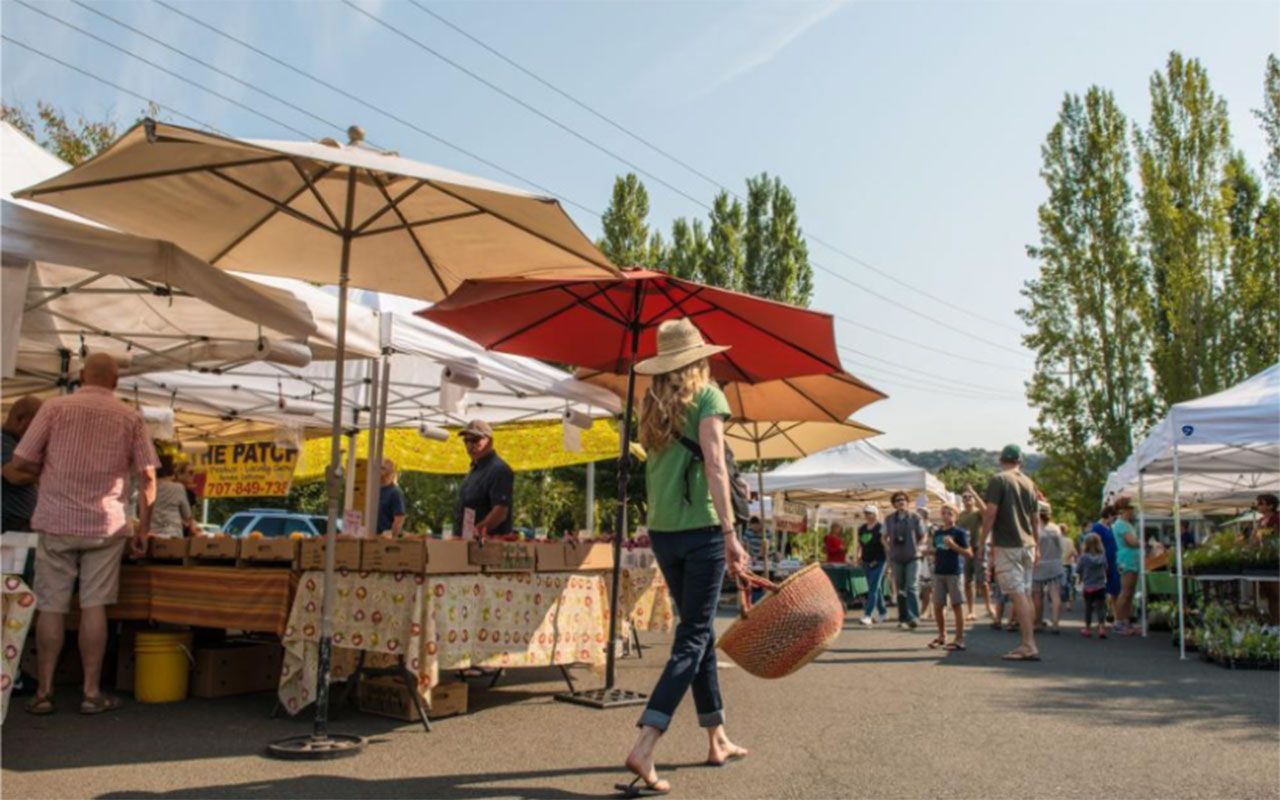
Picnicking is one of Napa’s best under-the-radar pleasures. A few local favorites for stocking up:


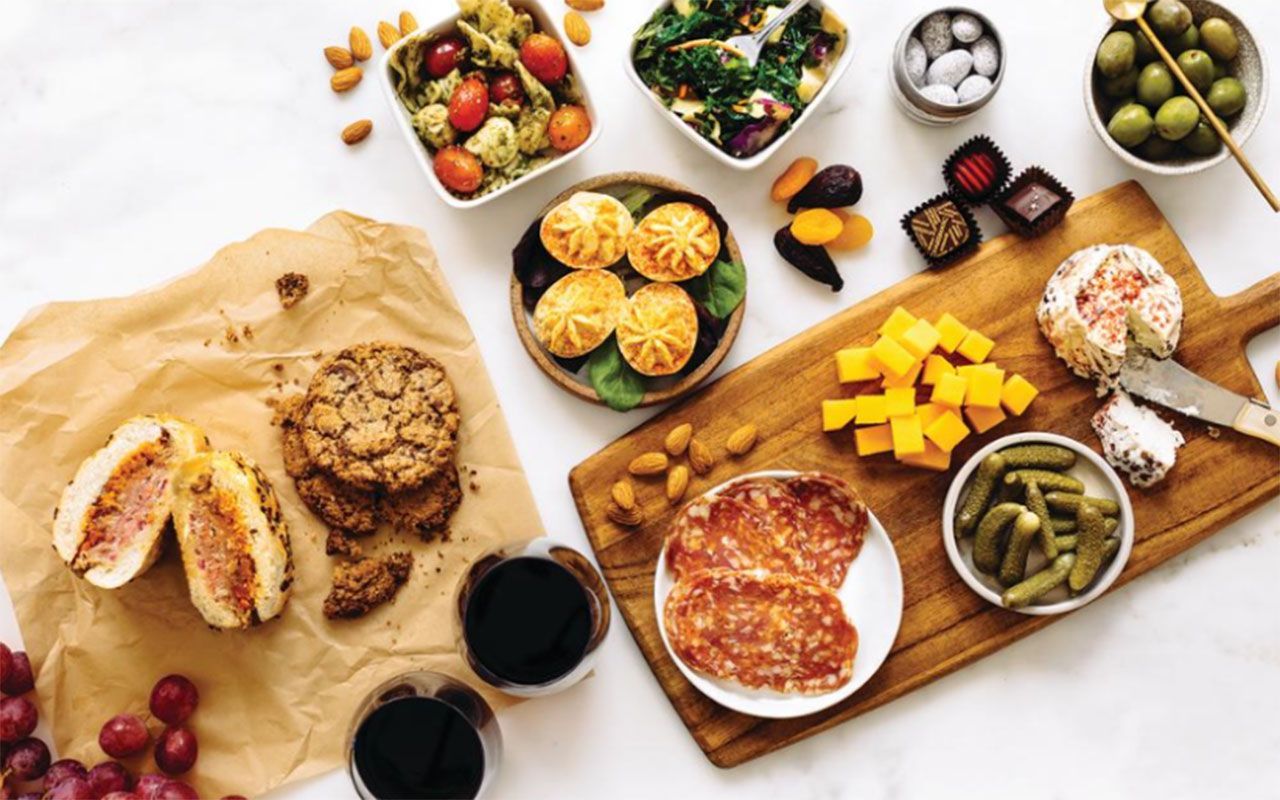
A simple spread—fresh bread, cheese, something salty, something sweet—paired with the morning’s wines can be just as memorable as a white-tablecloth meal. And it keeps your day moving at a comfortable pace.


Shipping Smart: Save Money Without Sacrificing Wine


Shipping is often where Napa trips quietly get expensive—but it doesn’t have to be.


Buy Along the Way, Ship Once

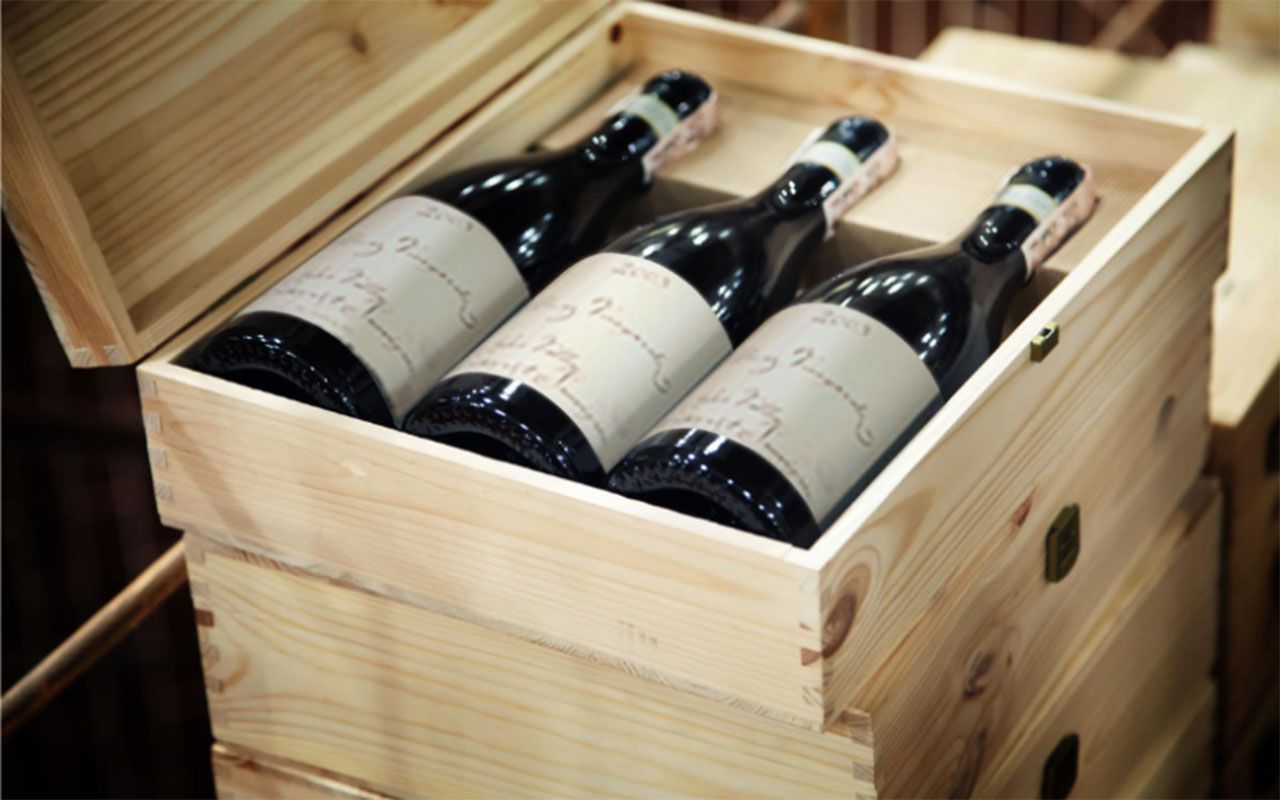
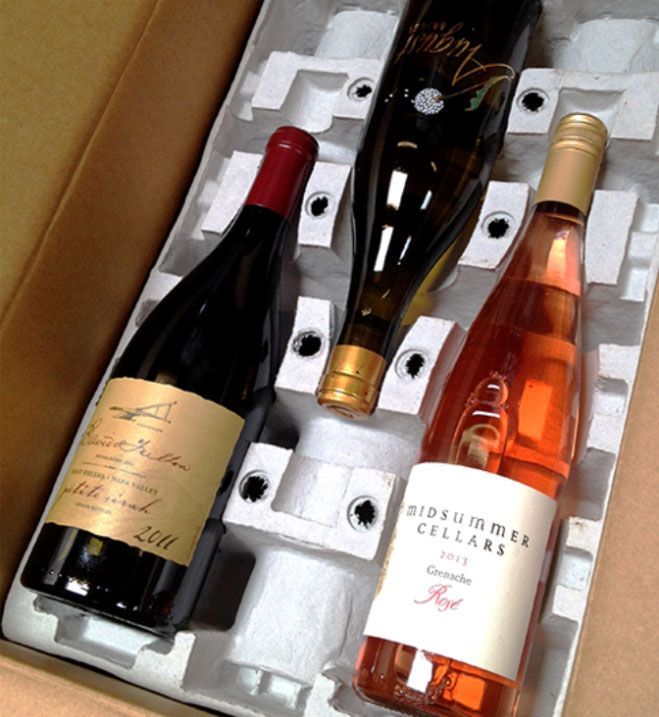
Instead of shipping from every winery, consider buying a few bottles at each stop and consolidating later. Local shipping services can pack and ship everything together, often for less.


Popular options include:


They’ll even ship a full case for you—securely packed and handled by people who do this every day.


Fly With Wine When It Makes Sense

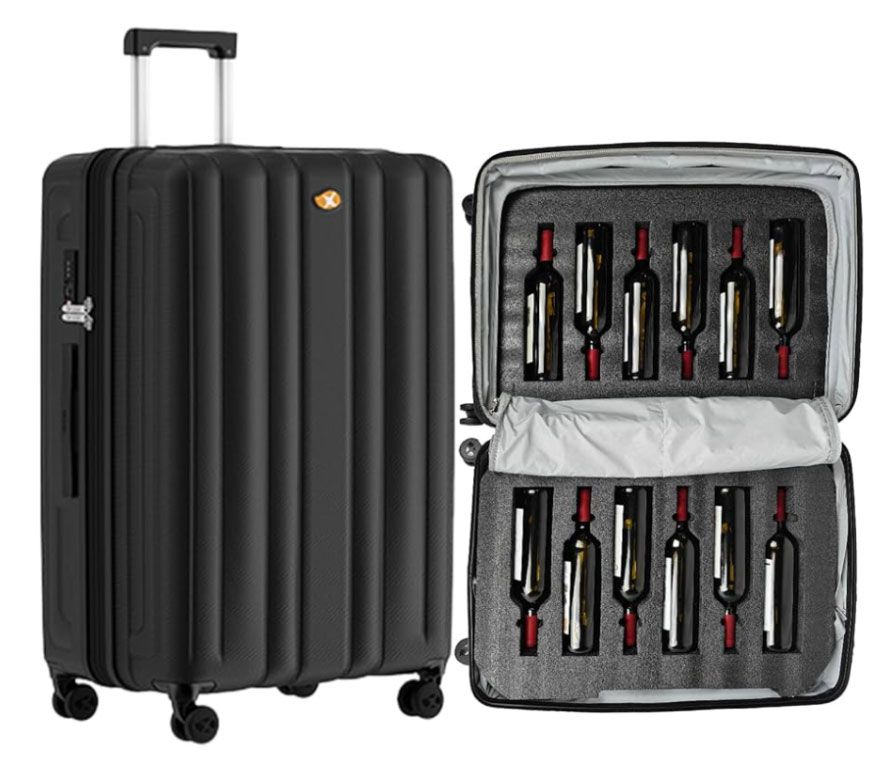
If you’re only bringing home a case or two, flying with wine can be surprisingly cost-effective. Alaska Airlines still runs a promotion where a case of wine can fly free if you’re departing from the West Coast. Just remind the agent at checkout. There are some states that are hard for wineries to ship wine to due to liquor laws. This may be your only option for some wineries. 


The simplest solution when it comes to shipping is usually the best one.


Drivers, Sidecars, and Stress-Free Days

If you plan to taste more than one winery in a day, consider not driving yourself.


A designated driver can:

  • Drive your rental car
  • Keep your schedule running smoothly
  • Share local insights you won’t find online


Look into services like:

  • Napa Designated- Exceptional service and recommendations to lesser known wineries
  • I‑Drive – Designated Drivers of Napa & Sonoma County 


Or, if you’re feeling adventurous, ride in a side-car and experience the valley from a completely different perspective.

Travel With Friends—and Know the Limits

Sharing Napa with friends is part of the fun. Costs split more easily, bottles open faster, and memories tend to stick longer.

Just keep in mind:

  • Many tasting rooms don’t accept reservations for parties larger than 6–8 people
  • Some experiences are intentionally small and intimate


For larger groups, a little planning goes a long way. There’s also a Costco in Napa and one in Santa Rosa if you need to stock up on essentials for a house stay or casual group meals.

Wine Pricing: Set Expectations Early

Understanding Napa pricing helps you buy confidently and without sticker shock.

As a general guide:

  • Most value-driven white wines: $30–$60
  • Most value driven reds: $60–$135
  • Premium and exclusive wines: priced significantly higher $200+


Knowing the base bottle price at each winery upfront lets you focus on expectations and what experience you are looking for.

Taste Beyond the Romance

This is an important one.


Before you commit to buying large quantities—or joining a wine club after tasting—pause and ask yourself a simple question: Does this wine work with the food I actually cook at home?


Romantic settings are powerful. Views, stories, and hospitality all matter. According to Paloma Vineyard owner & winemaker Sheldon Richards, “the most expensive bottle in everyone’s cellar is the bottle that never gets opened. There is no return on investment.” The wines that become year-round rituals are the ones that:

  • Pair well with your usual meals
  • Feel just as satisfying on a quiet night as they did on vacation


If you’re thinking of joining a wine club, take a bottle home first. Open it later. See how it shows up at your table. That’s how you end up in the wine clubs that truly fit you, not just the moment. Especially small wineries in the valley, many can boast of having club members for 5-10 years or more. The average wine club member stays for about 2 years at any given winery. Wine clubs are usually the best direct way to get the wine you love the most.

Clubs, Corkage, and Keeping the Experience Going

Shipping costs vary from winery to winery, and many offer reduced shipping or special pricing when you join their club. That can make sense—but joining every wine club is devastating to most everyone’s budgets. 


Instead, to experience the wine outside of the winery, bring one of your newly purchased bottles to dinner. Almost every restaurant in the Valley allows corkage, typically around $20. Some, like Rutherford Grill, even waive the fee for the first bottle.


It’s a beautiful way to extend the tasting day into the evening—and to see how a wine really performs with food. It is a great deal when you consider the drink costs for the entire party you are with.

Ask Locals. We Know Each Other.

Before you book your tasting, do a little homework and scope out the winery's website. And then, ask questions—when you book, when you arrive, and when you’re sitting at the bar.


The wine community here is small. We taste each other’s wines. We eat at the same restaurants. We talk. Recommendations from locals often lead to the most memorable moments of a trip.

From Visit to Ritual

A Napa trip is not meant to be a once-and-done experience. There are simply too many wonders here. And a different experience for everyone. With thoughtful planning, smart shipping, and a focus on wines that fit your real life, the magic can carry on all year. And come back for your next trip.

That’s when a visit turns into a ritual—when the stories, the places, and the people come back to you every time you pull a cork. That is why people come to Napa Valley.

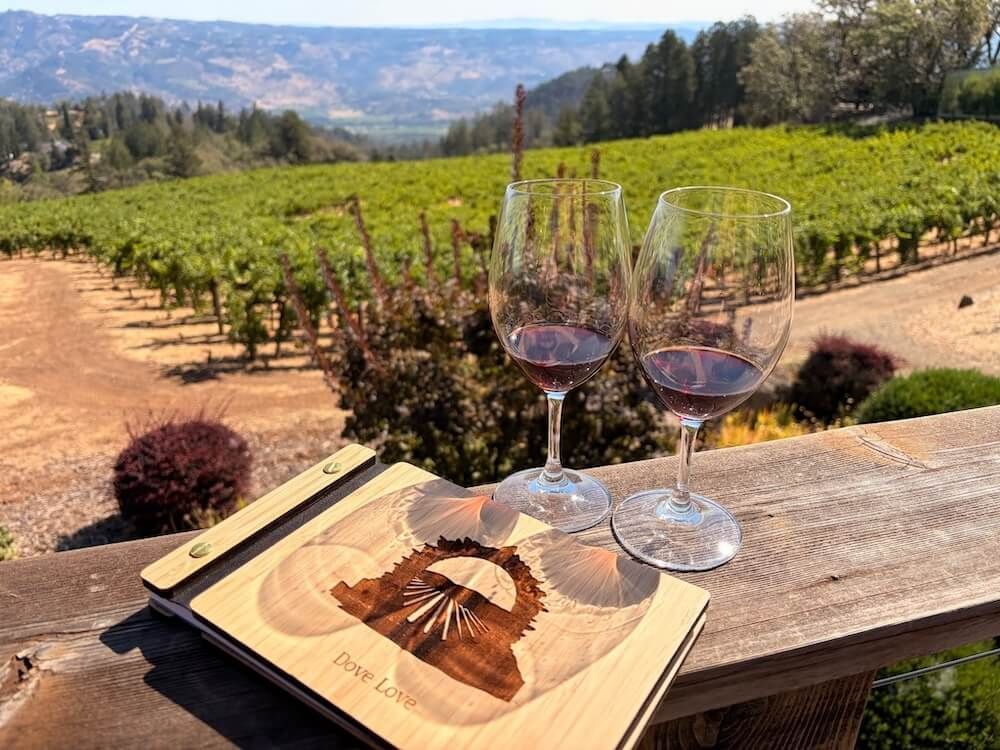
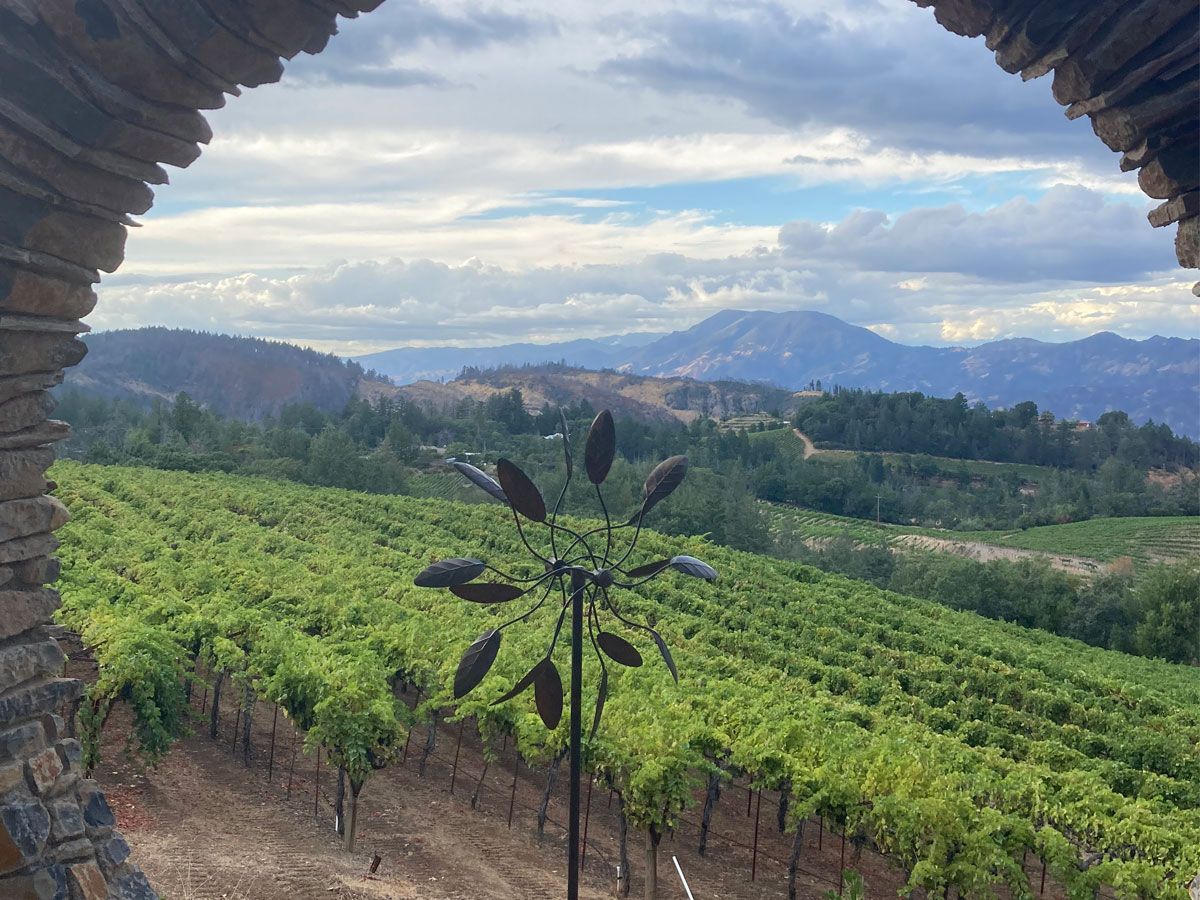
vineyard view of Paloma
By caston January 15, 2026
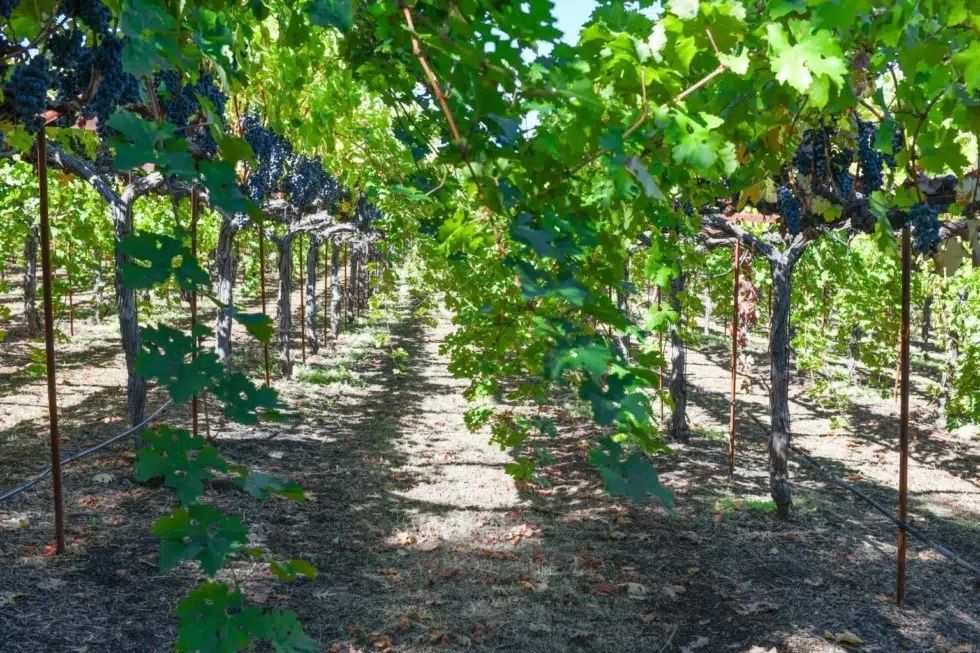
There’s a moment we often watch for during wine tastings with a view. A guest takes their first sip, pauses, looks back out at the vineyard, and then returns to the glass as if something has just clicked. That pause is terroir at work. Terroir is one of wine’s most talked-about ideas—and one of its most misunderstood. It’s often reduced to soil type alone, or treated as a romantic abstraction that sounds good but feels hard to pin down. At Paloma, we think of terroir more simply and more personally. Terroir is the story of a place—elevation, soil, climate & site influences such as wind, temperature changes and sun exposures. Essentially, it is what we do not control. What is not terroir? Farming practices, winemaking influences, branding, or anything that is unnatural in the process. To understand Terroir, we like to start with a walk through the vineyard.
Christmas and Holiday wine bottles from Paloma
By caston December 22, 2025
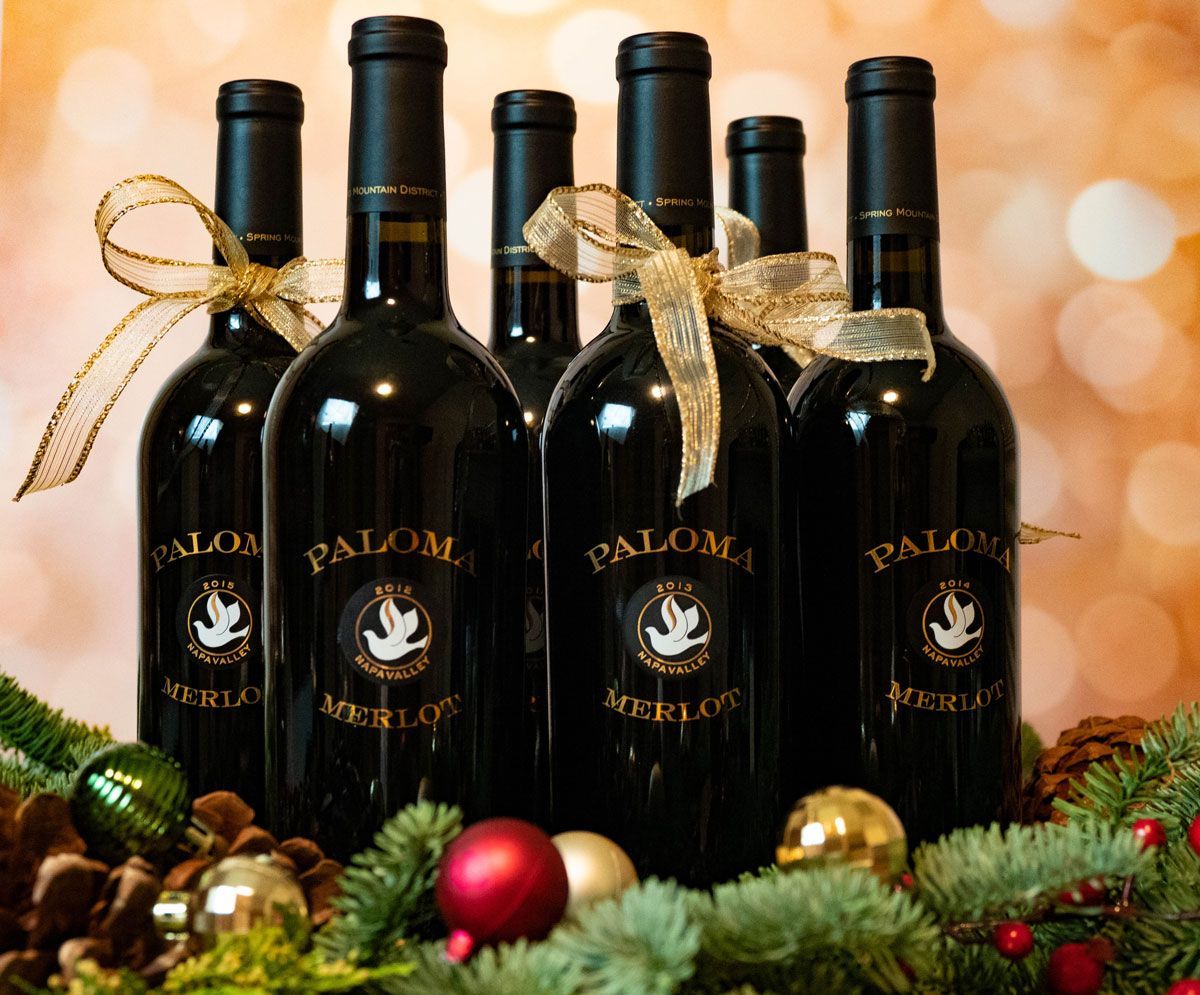
The holidays are a time of warmth, laughter, and lingering conversations around a table that feels just a little bit magical. At Paloma Vineyard , we believe that the right wine can turn a good holiday gathering into a deeply memorable one. Whether you’re cozying up by the fire or welcoming friends through your front door, choosing a holiday red that resonates with the season adds richness to every moment. Red wines, with their deep hues and comforting aromatics, often feel like the unofficial wine of cool nights and festive gatherings. This year, elevate your celebrations with selections that embody structure, balance, and that touch of elegance holiday hosts crave.
By caston December 2, 2025
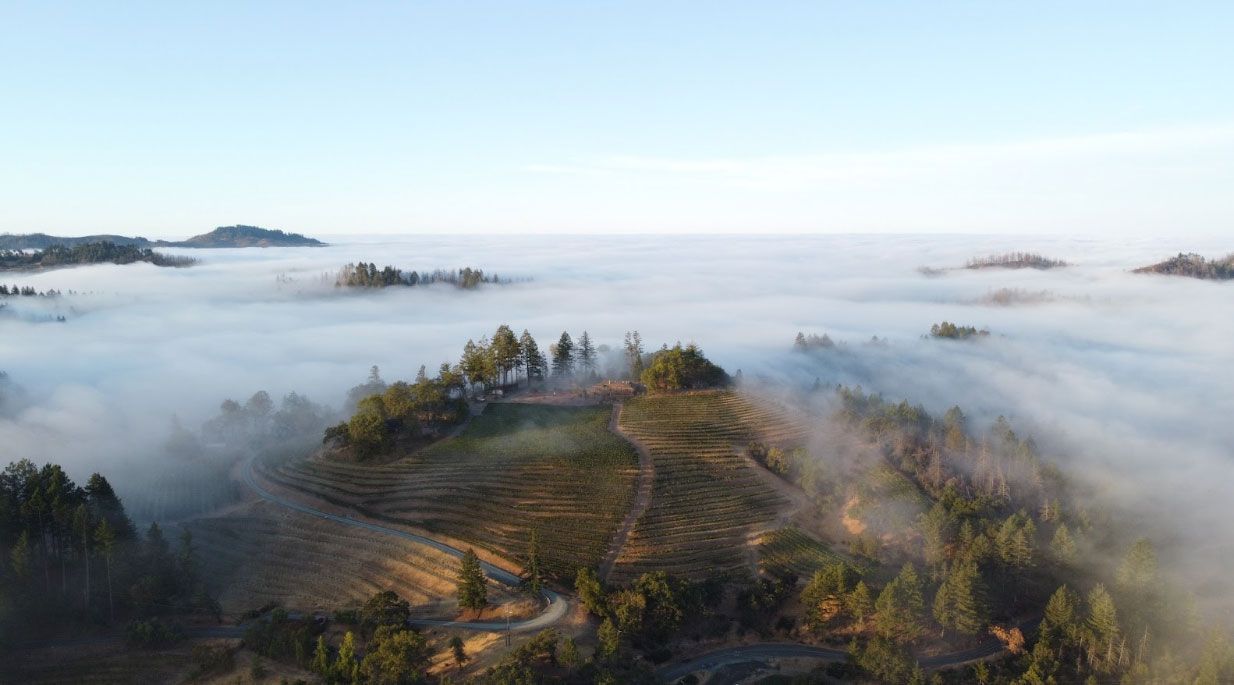
Nestled on the western slopes of the Mayacamas Mountains and overlooking the iconic Napa Valley, the Spring Mountain District AVA offers a truly elevated wine‑country experience. With vineyards planted on steep hillsides, above the valley floor, this mountain appellation is all about high altitude vineyards, dramatic terroir and a hospitality style grounded in family, craft and place.

By caston October 21, 2025
Wine tasting is more than etiquette and ceremony. It’s an opportunity to listen to your palate — to discover what flavors resonate most with you, so that in later tastings or purchases, you can ask for “more of that. ” When you can name what you like, you unlock a more rewarding, deeper wine experience. Below is your refined guide to wine tasting etiquette — yes — but always in service of helping you tune in to your preferences.
By caston August 18, 2025
At Paloma, Merlot is the soul of our story. It is the grape that founders Jim & Barbara fell in love with on their journey to Spring Mountain.  Picture this: it’s the late 1970s, and Barbara and Jim are visiting the Duckhorn vineyard, tasting their famed Three Palms Merlot. They lean into a sip and feel stirred—not just by the wine’s richness, but by its quiet elegance. That moment sparked something. They looked at each other and thought, “This is the wine we want to make. These are grapes we have to grow.” Before they even found the site, they had their hearts set on Merlot. By the time they found the raw land at the top of Spring Mountain, there was no changing their minds. Back then, planting Merlot at that elevation was almost unheard of—too cool, too risky. But they trusted their instincts and took the leap.
Paloma Vineyards, wine barrels in a vineyard
By caston July 2, 2025
Wine tasting and aging go hand in hand. Learn how patience and ritual shape each bottle into a story and train your palate with every sip.
A bottle of paloma wine is sitting on a stone wall in front of a vineyard.
By caston_treetops April 16, 2025
This medium-bodied wine shows vanilla, raspberry, cassis, and spice with a long finish. Taste it today and enjoy its elegant balance.
A bottle of palomino merlot is sitting in the grass
By caston_treetops April 16, 2025
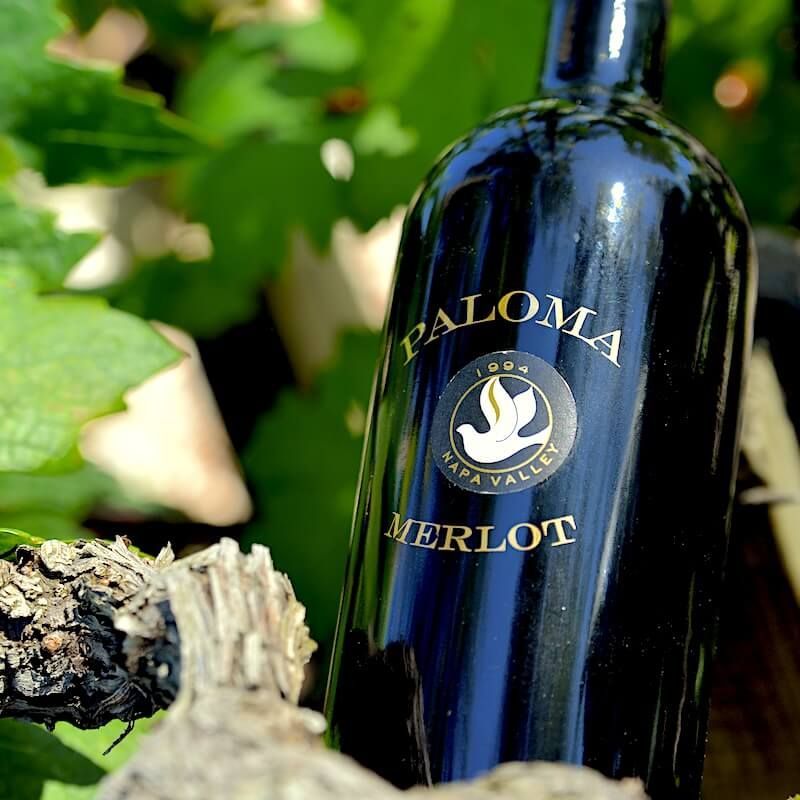
Paloma’s 2019 Merlot opens with cranberry, cassis, and mocha notes, balanced by floral tannins. Taste this vintage and experience its lasting finish.
A row of trees in a vineyard with leaves on them.
By WSI March 26, 2025
At Paloma Vineyard, sustainability is more than just a practice—it’s the foundation of everything we do. Nestled on Napa Valley’s Spring Mountain, our small, family-run vineyard has been embracing sustainable and regenerative farming for over four decades. Every choice we make, from cover cropping to solar power, reflects our deep respect for the land and our commitment to producing exceptional wines that honor both our family legacy and the environment.
A bottle of merlot is sitting on top of a pile of grapes
By WSI March 6, 2025
Break down Merlot’s flavor, structure, and styles. Read the facts and choose your next bottle.
Show More