From the Soil Up: How Terroir Tells Its Story in Every Sip

January 15, 2026

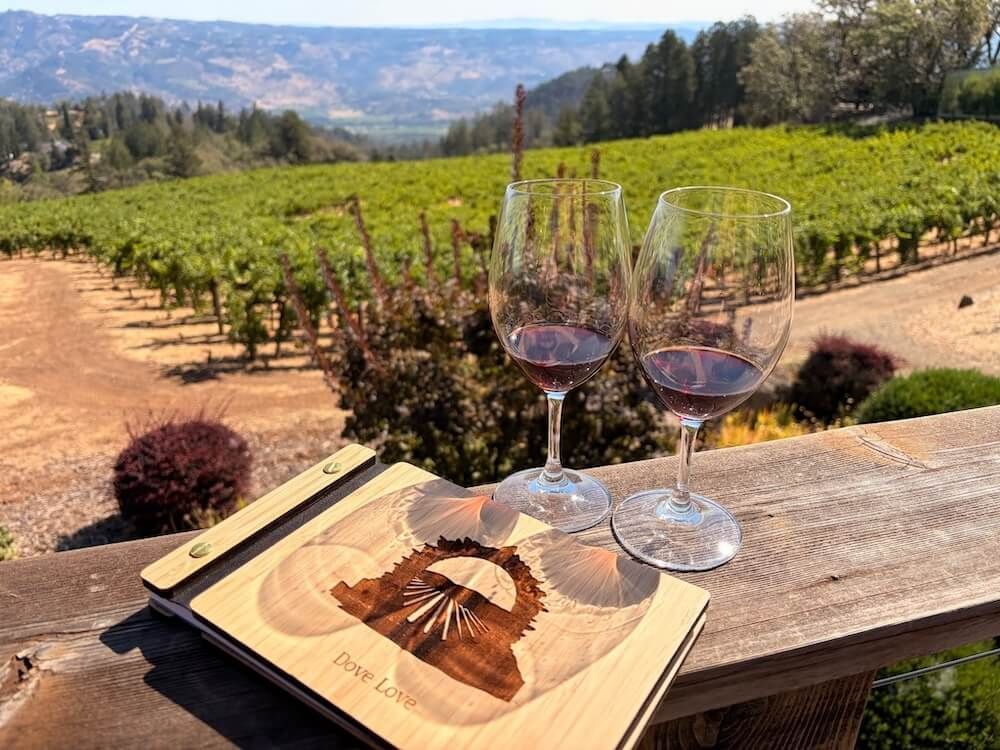
There’s a moment we often watch for during wine tastings with a view. A guest takes their first sip, pauses, looks back out at the vineyard, and then returns to the glass as if something has just clicked.


That pause is terroir at work.


Terroir is one of wine’s most talked-about ideas—and one of its most misunderstood. It’s often reduced to soil type alone, or treated as a romantic abstraction that sounds good but feels hard to pin down. At Paloma, we think of terroir more simply and more personally. Terroir is the story of a place—elevation, soil, climate & site influences such as wind, temperature changes and sun exposures. Essentially, it is what we do not control.

What is not terroir? Farming practices, winemaking influences, branding, or anything that is unnatural in the process.


To understand Terroir, we like to start with a walk through the vineyard.

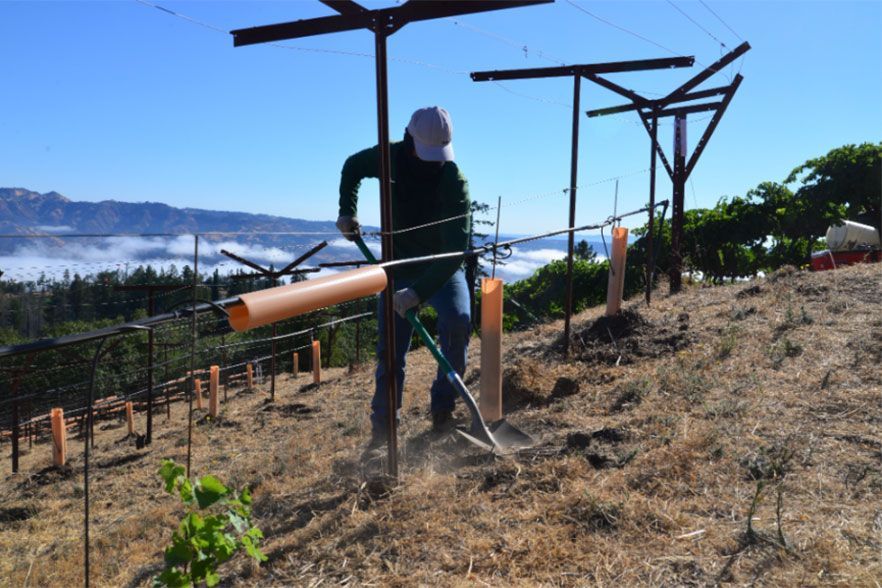
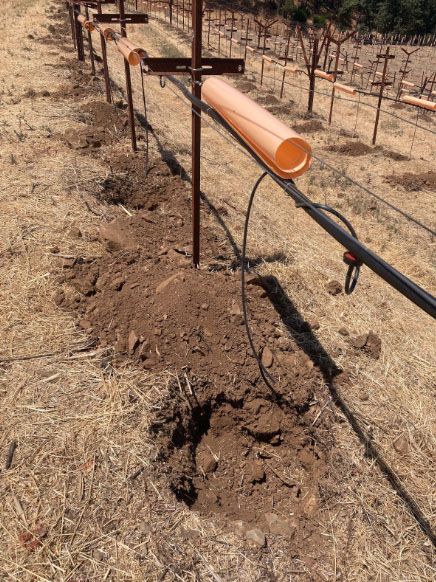
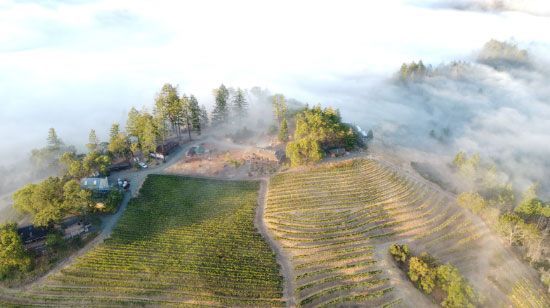
soil in the vineyard at Paloma winery
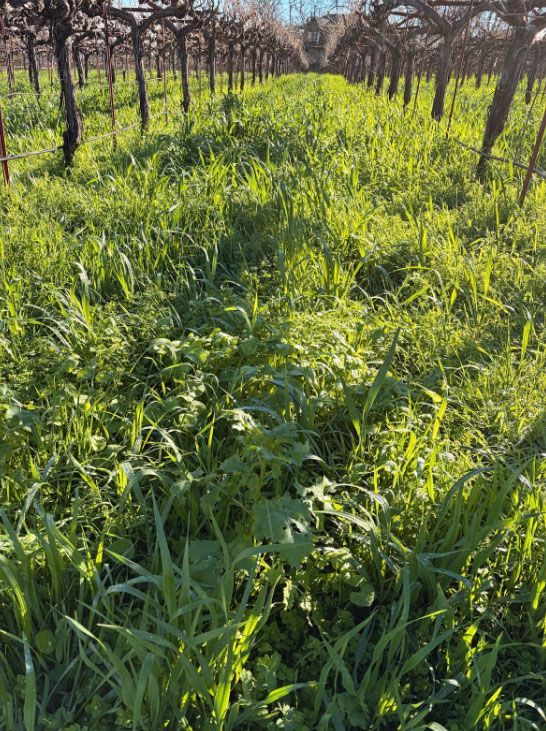
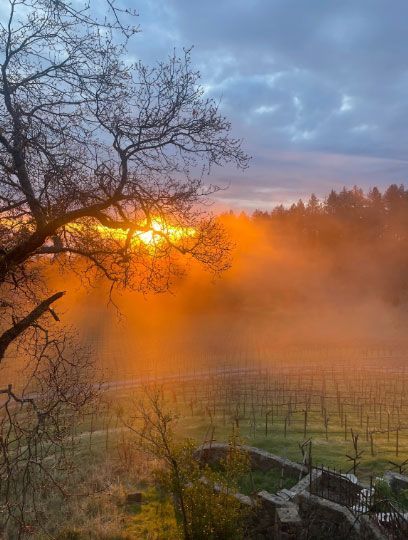
grass in the vineyard at Paloma winery

A Walk That Begins Below Your Feet


The first thing we notice on a vineyard walk isn’t something you can see from the tasting deck—it’s what’s underfoot. Our soils on Spring Mountain are layered and complex: volcanic ash mixed with sedimentary rock, fractured and well-drained. They’re not rich in the way a garden bed is rich, and that’s exactly the point.


Vines grown in lean soils have to work. Their roots push deeper, searching for water and nutrients, interacting with layers of earth formed long before any of us arrived here. That effort naturally limits vigor and yield, concentrating energy into fewer clusters and, ultimately, more expressive fruit.


This relationship between vine and soil is foundational to tasting wine terroir. When guests describe our wines as structured, grounded, or quietly powerful, they’re responding—often unknowingly—to what began underground years earlier.


Our viticultural practices are built around respecting this relationship rather than overriding it. Regenerative farming, compost applications, and cover crops aren’t trends for us; they’re tools to support living soils so they can continue doing what they’ve always done: shape the voice of the vineyard.


Slope, Elevation, and the Art of Restraint

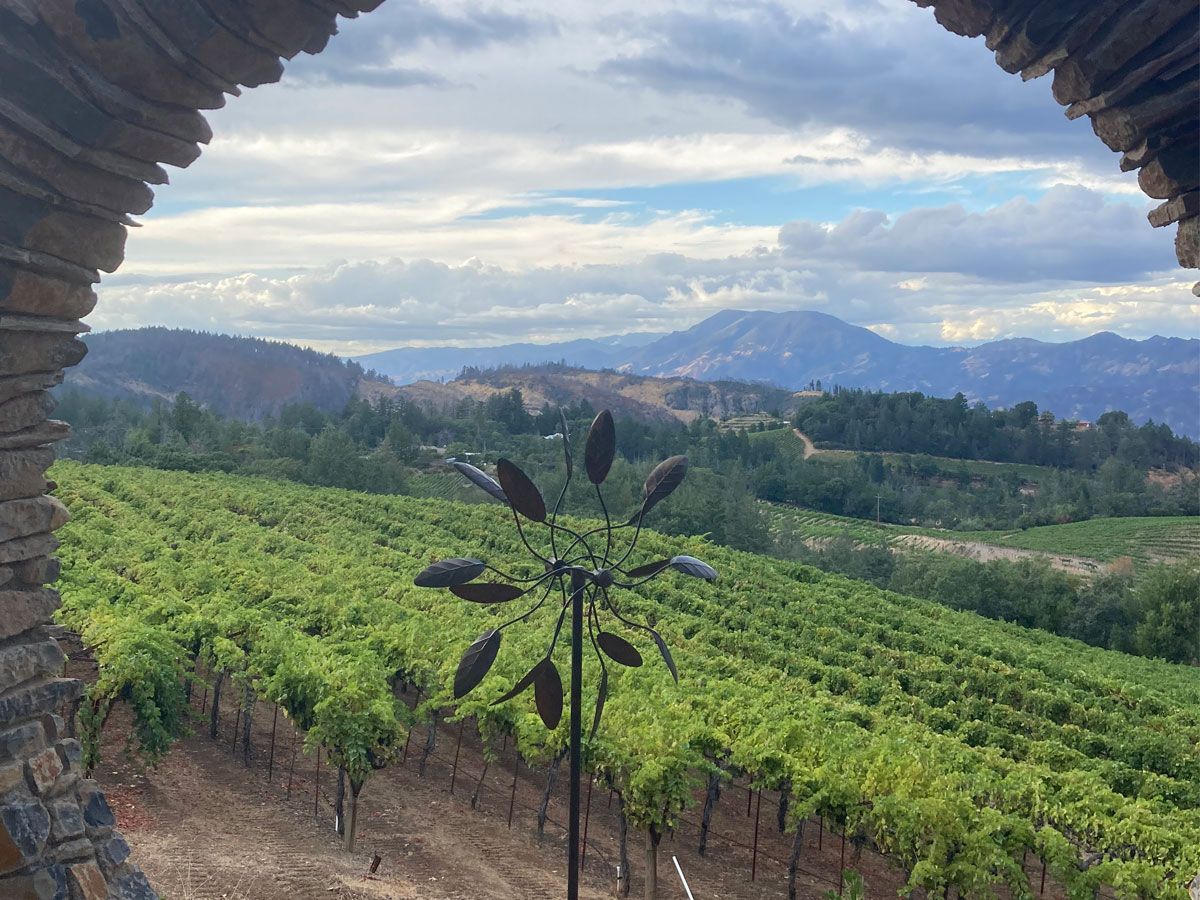
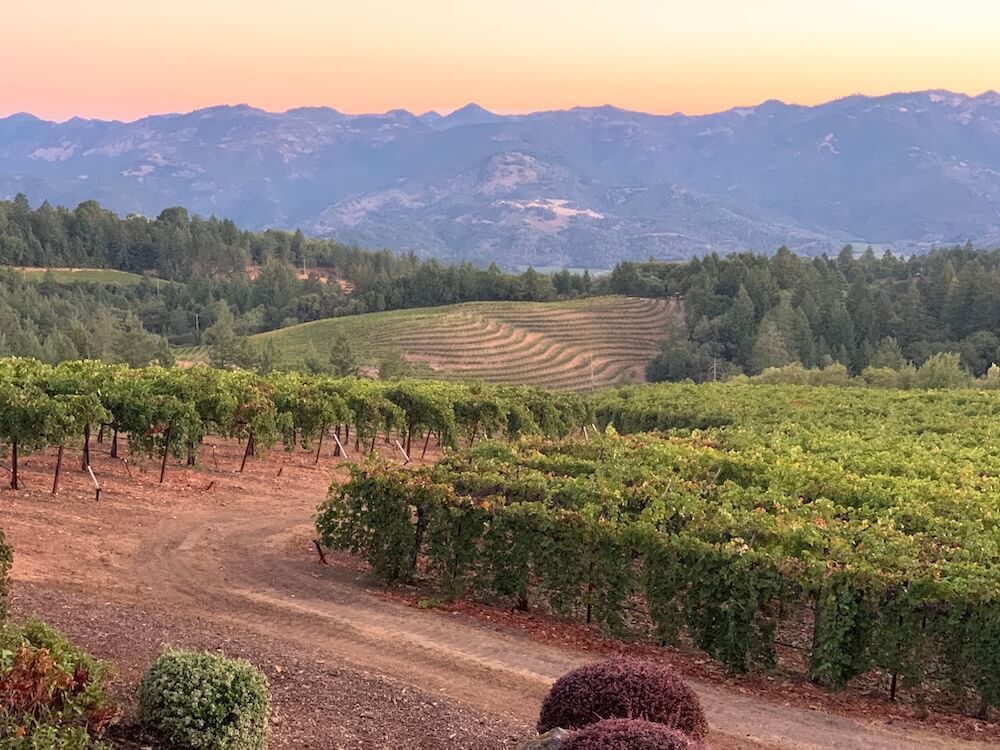
As the walk continues downhill from the tasting room, the vineyard starts to explain itself in new ways. Slope matters. Elevation matters.

Steep terrain drains water quickly, which means vines never sit in excess moisture. This natural stress encourages balance—slower growth, smaller berries, thicker skins. Elevation brings cooler nights and wider temperature swings, helping grapes retain acidity while ripening steadily during the day.


None of this can be rushed. And we don’t try to.


Much of our seasonal vineyard work—shoot thinning, leafing decisions, canopy management—is about restraint. Knowing what not to do is just as important as knowing what to do. We don’t chase uniformity or force ripeness. Instead, we observe how each block responds to sun, wind, and slope, adjusting gently when needed.


When people ask why two vintages of the same wine taste different, this is part of the answer. The vineyard never repeats itself exactly. Terroir fluctuates and evolves; it is not static.


Sunlight: The Quiet Sculptor

Light is another character in this story, and one we think about constantly. Sun exposure influences everything from tannin development to aromatic profile. Morning light is softer; afternoon sun is warmer and more intense. Each side of a row exposes a slightly different story.


Our job is to help the fruit find balance—enough sun to develop depth and ripeness, enough shade to preserve freshness and nuance. This is why our vineyard walks look different depending on the time of year. Early season work focuses on shaping growth. Later, it’s about protecting what’s already formed.


When guests later note subtle differences—herbal lift, dark fruit framed by brightness, a sense of tension in the wine—that’s sunlight speaking, filtered through slope, soil, and season.


From Vineyard to Glass: Laura’s Perspective


Back in the tasting room, these vineyard details resurface in a different language.Laura’s tasting notes often echo what we see outdoors, even when the words change.


Where the vineyard speaks in soil and sun, the glass speaks in texture, structure, and rhythm. A wine might open with dark fruit but finish with lift and length. Tannins might feel firm yet polished, shaped rather than aggressive. There’s often a grounded core—a sense that the wine knows where it comes from.


These impressions aren’t added later. They’re revealed. Winemaking at Paloma is about preservation more than invention. Gentle fermentations, thoughtful aging, and minimal manipulation allow the vineyard’s voice to carry through strongly. 


This explains why tasting notes evolve over time, just as the vineyard does. As a wine opens in the glass—or over years in the cellar—it continues telling the same story from new angles.


Regenerative Practices as Storytelling Tools


Our regenerative and sustainable practices don’t just protect the land; they deepen the story terroir can tell. Healthy soils foster microbial life that supports vine resilience. Cover crops improve soil structure, reduce erosion, retain precious winter rain, and bring biodiversity back into the vineyard ecosystem.


These practices show up subtly but meaningfully in the wines. There’s often a sense of energy, clarity, and balance that reflects a vineyard in equilibrium. We don’t claim perfection, and we’re always learning, but the goal remains constant: leave the land better than we found it and let it speak honestly.


When guests ask how sustainability affects flavor, we invite them to taste with curiosity rather than expectation.

Wine Tastings with a View—And a Point of Reference


One reason wine tastings with a view matter so much to us is that they ground the experience. You’re not tasting in isolation. You’re looking at the slope where the fruit grew, feeling the sunlight that shaped it, smelling the soil that held it.


This context changes how people taste. Flavors feel less abstract, more connected. The wine becomes part of a landscape rather than a standalone object.


We often see guests revisit a wine after stepping outside, noticing details they missed before. That back-and-forth—vineyard to glass, glass to vineyard—is where terroir becomes tangible.

Terroir as Memory, Not Marketing


Terroir isn’t something we feel the need to sell. It’s something we live with, season after season. Some years are generous. Others are challenging. Each leaves its mark.


That’s why vertical tastings are so powerful. And why we feature Paloma eventsaround them.   They show terroir in motion—constant yet responsive. Soil remains, slopes remain, but weather patterns shift, decisions evolve, and wines reflect those changes honestly. And lastly the wines change with time. Time complements terrior as each new year passes the flavor of the vintage continues to develop. 


When we talk about terroir, we’re talking about memory. The memory of a cool spring, a long hang time, an early morning harvest. These memories aren’t written down; they’re tasted.

Listening Closely


Understanding terroir doesn’t require technical language or expert training. It asks for attention. Walk the vineyard slowly. Taste the wine thoughtfully. Notice how one informs the other.


At Paloma, terroir is our quiet collaborator. It shapes our decisions, humbles our assumptions, and rewards patience. Every sip is part of a longer conversation—one that began long before the bottle was opened and continues long after the glass is empty.

That pause after the first sip? The fruit flavor, that’s the vineyard saying hello.

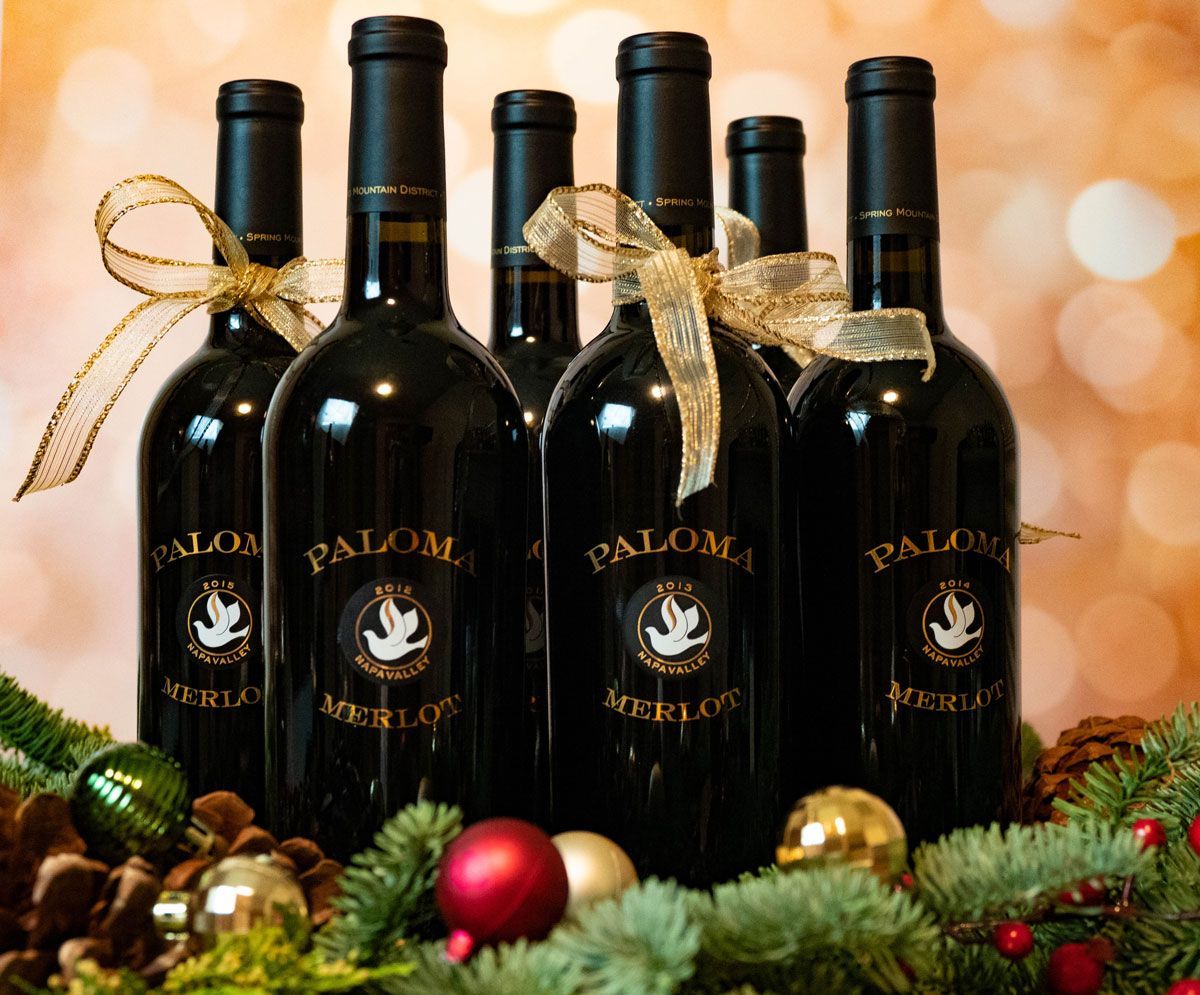
Christmas and Holiday wine bottles from Paloma
By caston December 22, 2025
The holidays are a time of warmth, laughter, and lingering conversations around a table that feels just a little bit magical. At Paloma Vineyard , we believe that the right wine can turn a good holiday gathering into a deeply memorable one. Whether you’re cozying up by the fire or welcoming friends through your front door, choosing a holiday red that resonates with the season adds richness to every moment. Red wines, with their deep hues and comforting aromatics, often feel like the unofficial wine of cool nights and festive gatherings. This year, elevate your celebrations with selections that embody structure, balance, and that touch of elegance holiday hosts crave.

By caston December 2, 2025
Nestled on the western slopes of the Mayacamas Mountains and overlooking the iconic Napa Valley, the Spring Mountain District AVA offers a truly elevated wine‑country experience. With vineyards planted on steep hillsides, above the valley floor, this mountain appellation is all about high altitude vineyards, dramatic terroir and a hospitality style grounded in family, craft and place.
By caston October 21, 2025
Wine tasting is more than etiquette and ceremony. It’s an opportunity to listen to your palate — to discover what flavors resonate most with you, so that in later tastings or purchases, you can ask for “more of that. ” When you can name what you like, you unlock a more rewarding, deeper wine experience. Below is your refined guide to wine tasting etiquette — yes — but always in service of helping you tune in to your preferences.
By caston August 18, 2025
At Paloma, Merlot is the soul of our story. It is the grape that founders Jim & Barbara fell in love with on their journey to Spring Mountain.  Picture this: it’s the late 1970s, and Barbara and Jim are visiting the Duckhorn vineyard, tasting their famed Three Palms Merlot. They lean into a sip and feel stirred—not just by the wine’s richness, but by its quiet elegance. That moment sparked something. They looked at each other and thought, “This is the wine we want to make. These are grapes we have to grow.” Before they even found the site, they had their hearts set on Merlot. By the time they found the raw land at the top of Spring Mountain, there was no changing their minds. Back then, planting Merlot at that elevation was almost unheard of—too cool, too risky. But they trusted their instincts and took the leap.
Paloma Vineyards, wine barrels in a vineyard
By caston July 2, 2025
Wine tasting and aging go hand in hand. Learn how patience and ritual shape each bottle into a story and train your palate with every sip.
A bottle of paloma wine is sitting on a stone wall in front of a vineyard.
By caston_treetops April 16, 2025
This medium-bodied wine shows vanilla, raspberry, cassis, and spice with a long finish. Taste it today and enjoy its elegant balance.
A bottle of palomino merlot is sitting in the grass
By caston_treetops April 16, 2025
Paloma’s 2019 Merlot opens with cranberry, cassis, and mocha notes, balanced by floral tannins. Taste this vintage and experience its lasting finish.
A row of trees in a vineyard with leaves on them.
By WSI March 26, 2025
At Paloma Vineyard, sustainability is more than just a practice—it’s the foundation of everything we do. Nestled on Napa Valley’s Spring Mountain, our small, family-run vineyard has been embracing sustainable and regenerative farming for over four decades. Every choice we make, from cover cropping to solar power, reflects our deep respect for the land and our commitment to producing exceptional wines that honor both our family legacy and the environment.
A bottle of merlot is sitting on top of a pile of grapes
By WSI March 6, 2025
Break down Merlot’s flavor, structure, and styles. Read the facts and choose your next bottle.
A man is pouring a bottle of wine into a woman 's glass
By taste_2420_views_enjoy January 14, 2025
At Paloma Vineyard, tastings are personal and serene, with only nature and the winemaker’s voice. Visit us and experience Napa like home.
Show More