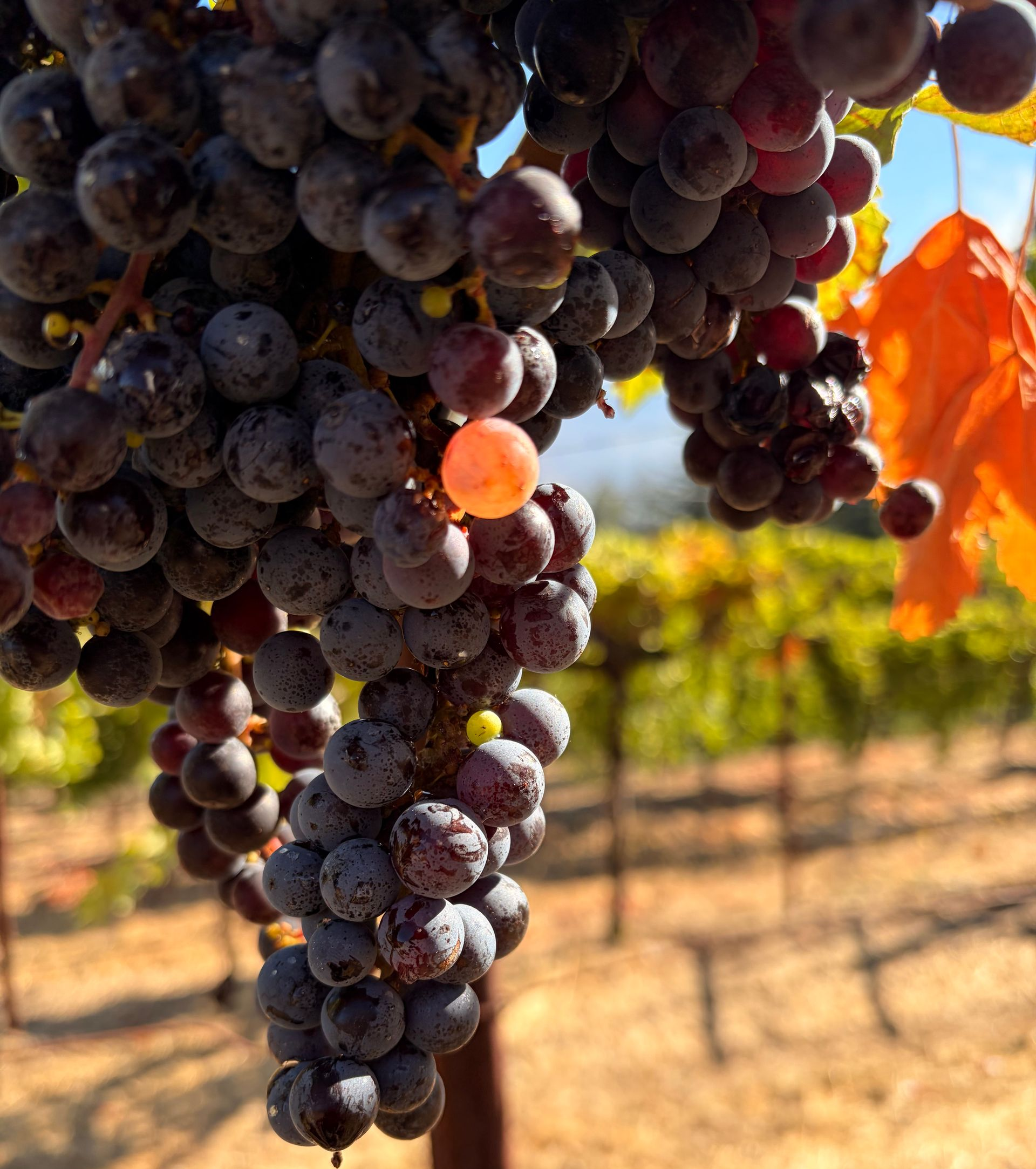
Calloused Hands & Cabernet Franc: The Human Side of Winemaking

April 30, 2026

There are days in the vineyard when the work announces itself quietly. No fanfare. No audience. Just the sound of boots on gravel, the steady pull of wire, the scrape of a shovel against rocky soil. These are the days that don’t always make it into tasting notes—but they shape the wine just the same.


Cabernet Franc has always been a favored grape of Paloma Owner & Winemaker Sheldon Richards. It reflects patience, restraint, and the willingness to do things the long way. It also reflects the people who farm it—their judgment, their persistence, and, quite literally, their hands. Calloused hands that tell stories long before a bottle is opened.


This is one of those stories.


Why We Replanted

Replanting a vineyard is not something you do lightly. It’s a decision measured in decades, not seasons. For us, it began with careful observation and an uncomfortable truth: a portion of our vineyard was impacted by Red Blotch virus.


Red Blotch affects a vine’s ability to fully ripen fruit. Sugars lag. Flavors don’t quite come together. You can farm thoughtfully, adjust canopy, and make winemaking choices to compensate—but at a certain point, honesty steps in. The wine tells you what the vineyard needs.


So we made a choice rooted in humility and responsibility. Rather than asking compromised vines to give more than they could, we chose to start again—block by block, decision by decision.


“I may or may not see the wine that comes from this block,” Sheldon said one afternoon, standing at the edge of the deck view-point. “But my kids and their kids will”.

Beginning at the Root

Every replant starts well before a shovel ever hits the ground. It begins with selection—of clones, of rootstock, of intent.


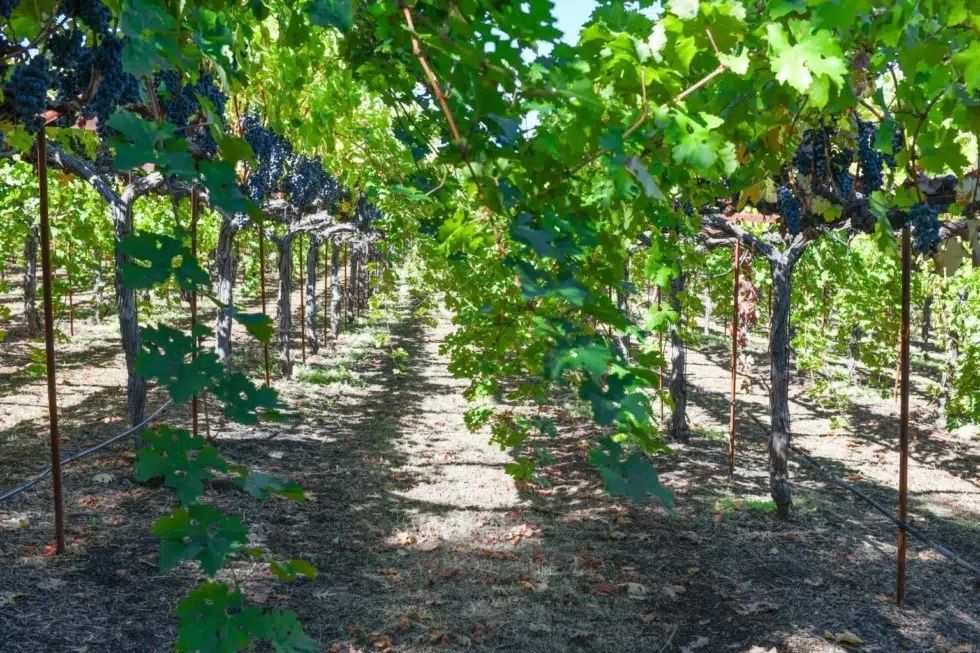
Each block at Paloma is its own small ecosystem. Soil composition shifts subtly from one row to the next. Drainage patterns change. Shade creeps in during different parts of the day. Elevation and exposure create microclimates that only reveal themselves if you’ve walked the ground hundreds of times.


That knowledge guides everything.


For Cabernet Franc, clone and rootstock selection is about balance. Vigor has to be appropriate for the soil. Rootstock must handle drainage and nutrient availability without pushing the vine too hard. Every choice is made with a long view in mind—ten years before meaningful production, and, if we’re good stewards, twenty to thirty years of healthy fruit beyond that.


“There’s no universal answer,” explained Caston Richards, 3rd generation at Paloma, while reviewing Paloma’s block maps. “You work with what you know and you try to anticipate how the environment might change over the next 30-50 years. It’s often not about picking the “right” or the “best” combination; but it is important to not pick the wrong option—especially with rootstocks. We’re working with two to three primary rootstocks and various combinations of clones to try to learn more about our terroir and create a well balanced wine when it all comes together.”

From Nursery to Vineyard

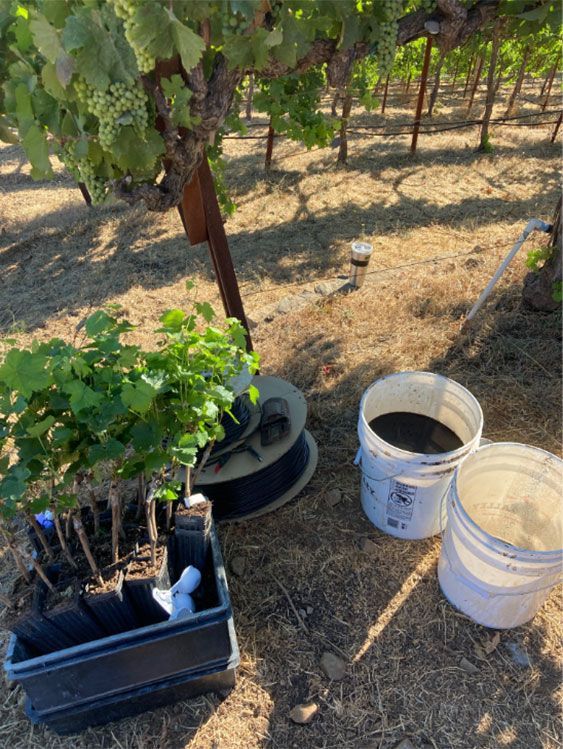
Once selections are made, the vines themselves come from nearby nurseries—grown close to home, acclimated to regional conditions. When they arrive, they don’t go straight into the ground.


They’re inspected. Carefully.


Each vine is checked for health, integrity, and readiness. It’s slow work, but necessary work. This is the foundation of decades of farming. There’s no shortcut worth taking here.


Meanwhile, the vineyard itself is being prepared. A replant isn’t just about new vines—it’s about infrastructure.


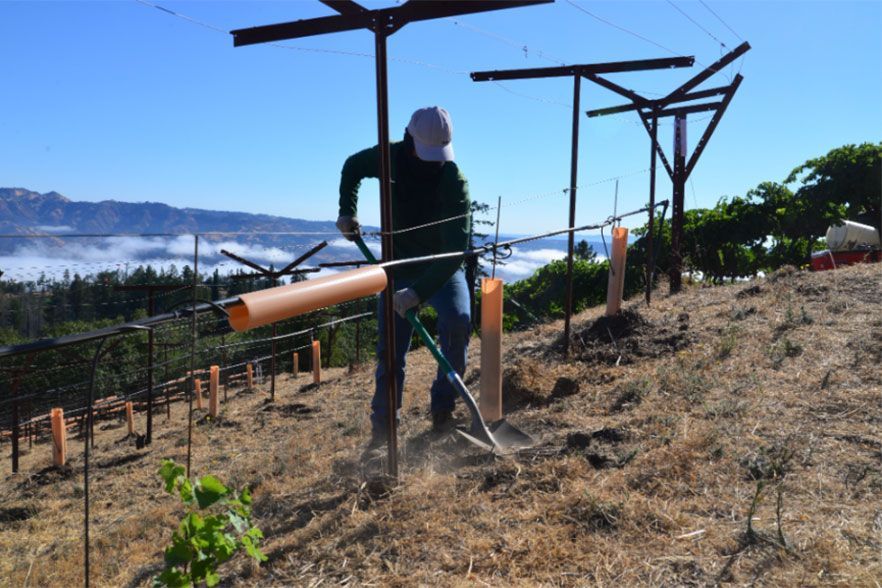
man working in vineyard

Building the Framework

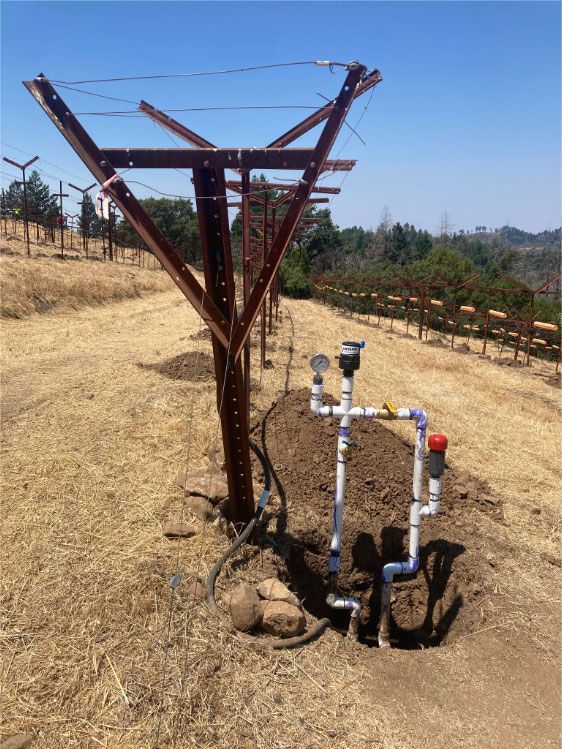
Before planting day, the skeleton of the vineyard must be rebuilt. A newly designed trellising system goes in first, aligned for airflow, sun exposure, and long-term vine balance. Irrigation piping is laid with intention—knowing young vines will need consistent, careful watering as they establish roots. For example, we have chosen to raise this from previous standards to allow for the potential of sheep grazing in the not so distant future. 


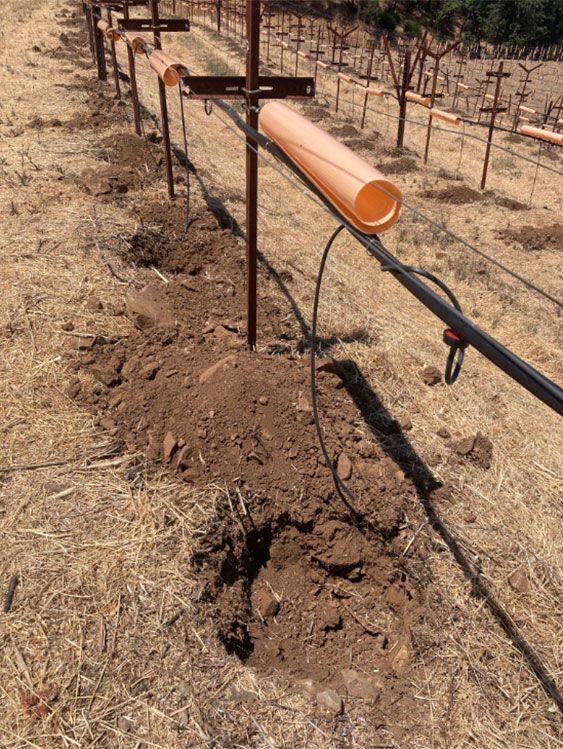
Then come the holes. Eight to twelve inches deep, dug one by one. It’s physical, repetitive labor. The kind that leaves dirt under your nails no matter how careful you are.


It is repetitive work and precision matters. Vine spacing matters. Alignment matters. Small deviations will echo loudly years later, in production quantities and vine resources.

equipment in the vineyard

Timing Is Everything

Vine arrival dictates everything that follows. Labor has to be coordinated. Crews need to be ready. The window between delivery and planting is narrow, and there’s some flexibility in nature’s schedule.

Whether the vines are dormant—rootstock started in open ground, grafted, then chilled into dormancy—or green vines that have spent a year growing in pots, the transition is delicate. Both types face the same test once they’re planted: will they take to this soil environment?


Not all of them will.


There’s always some loss. A small percentage of vines don’t survive the transition, despite best efforts. It’s one of the quiet realities of farming that never really gets easier.


more equipment in the vineyard

Protection and Care

Young vines are vulnerable. To weather. To stress or lack of water. And to competing weeds.


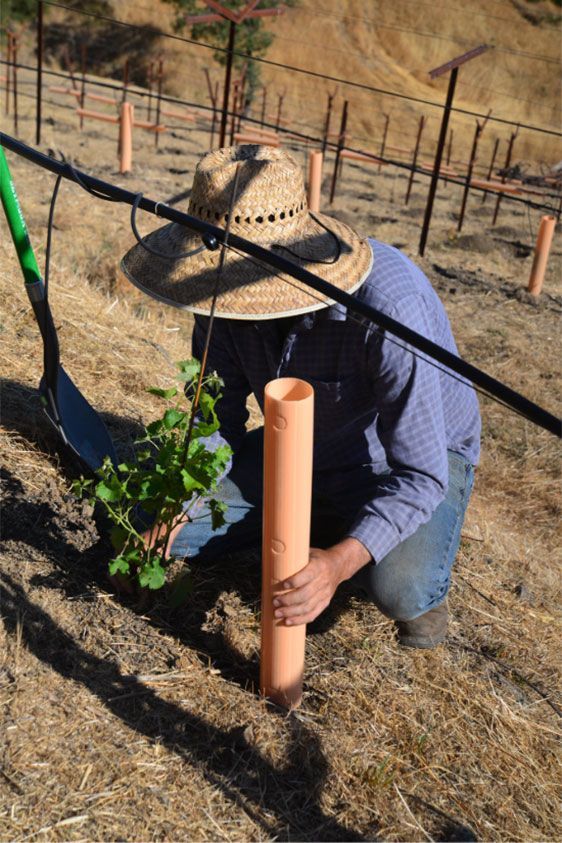
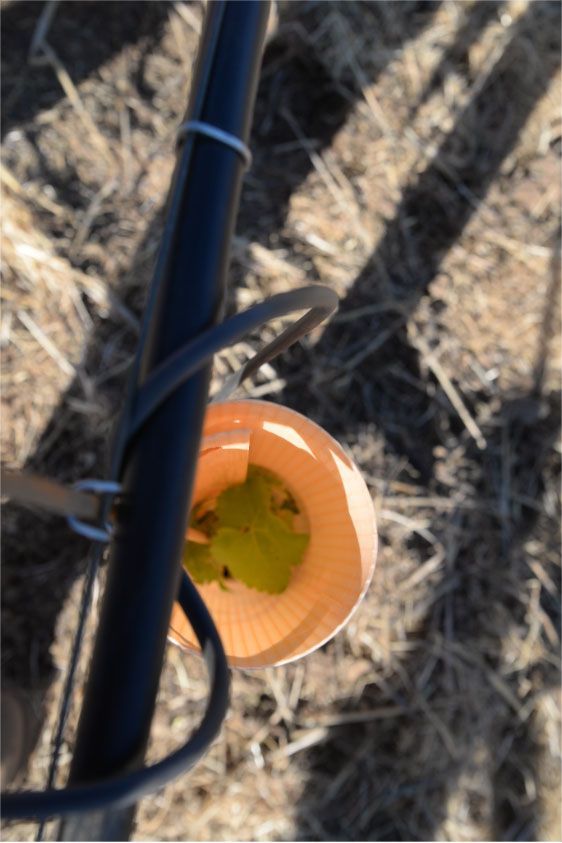
Rabbits and rodents see fresh vines as an easy meal. So each plant is protected—guards placed carefully, checked regularly. It’s another layer of labor, another detail that doesn’t show up on a label.


Watering becomes a constant rhythm. At least a gallon per plant every two to five days based on soil moisture levels at the root base. No skipping. No guessing. Especially in those early weeks when roots are learning their new home.


A Long View


Replanting demands optimism. You’re working toward something you won’t fully realize for a decade. Cabernet Franc, especially, asks for patience. We will not put the grapes that the vine produces into wine until the 4th or 5th year of growth. Then for Paloma it is another 4 years of winemaking.


We don’t expect meaningful production for about ten years. And with careful farming, we’re hopeful these vines will give us fruit for at least thirty years, hopefully more. That timeline shapes every decision—from spacing to trellising to how hard we push the vines early on.


This isn’t about speed. It’s about resilience.

What It Means for the Wine

Cabernet Franc has always been a thoughtful wine here. It’s expressive without being loud. Structured without being rigid. The replant reinforces that identity.


These vines are being asked to grow slowly, to build strength underground before showing anything above. That philosophy mirrors how we approach winemaking as a whole—care first, patience always.


One day, years from now, someone will pour a glass of Paloma Cabernet Franc without knowing any of this. They’ll notice balance. Energy. A quiet confidence in the wine.


And that’s okay.


Because the story is already there—woven into the roots, the soil, and the steady work of calloused hands that believed the long way was the right way.

By caston March 24, 2026
A Legacy of Recognition
By caston March 3, 2026
Ask almost anyone who visits Napa Valley and they will tell you that they have been there multiple times or are planning to go again sometime soon. There is simply too much to see and taste in one trip especially when you account for the fact that there are around 600 wineries here in Napa.  That’s the magic of Napa. But here’s the good news—your visit doesn’t have to end when your flight home departs. With a little planning and a few insider tips, a Napa trip can turn into a year-round ritual that shows up on your dinner table, at gatherings with friends, and on those quiet Tuesday nights when you open something special “just because.” This guide is about stretching the joy—practically, affordably, and intentionally—so the wines you fall in love with here, continue to make sense long after the vineyard glow fades.
vineyard view of Paloma
By caston January 15, 2026
Wine terroir shapes every sip at Paloma Vineyard. From soil and slope to sunlight and elevation, this article explains how place defines our wines.
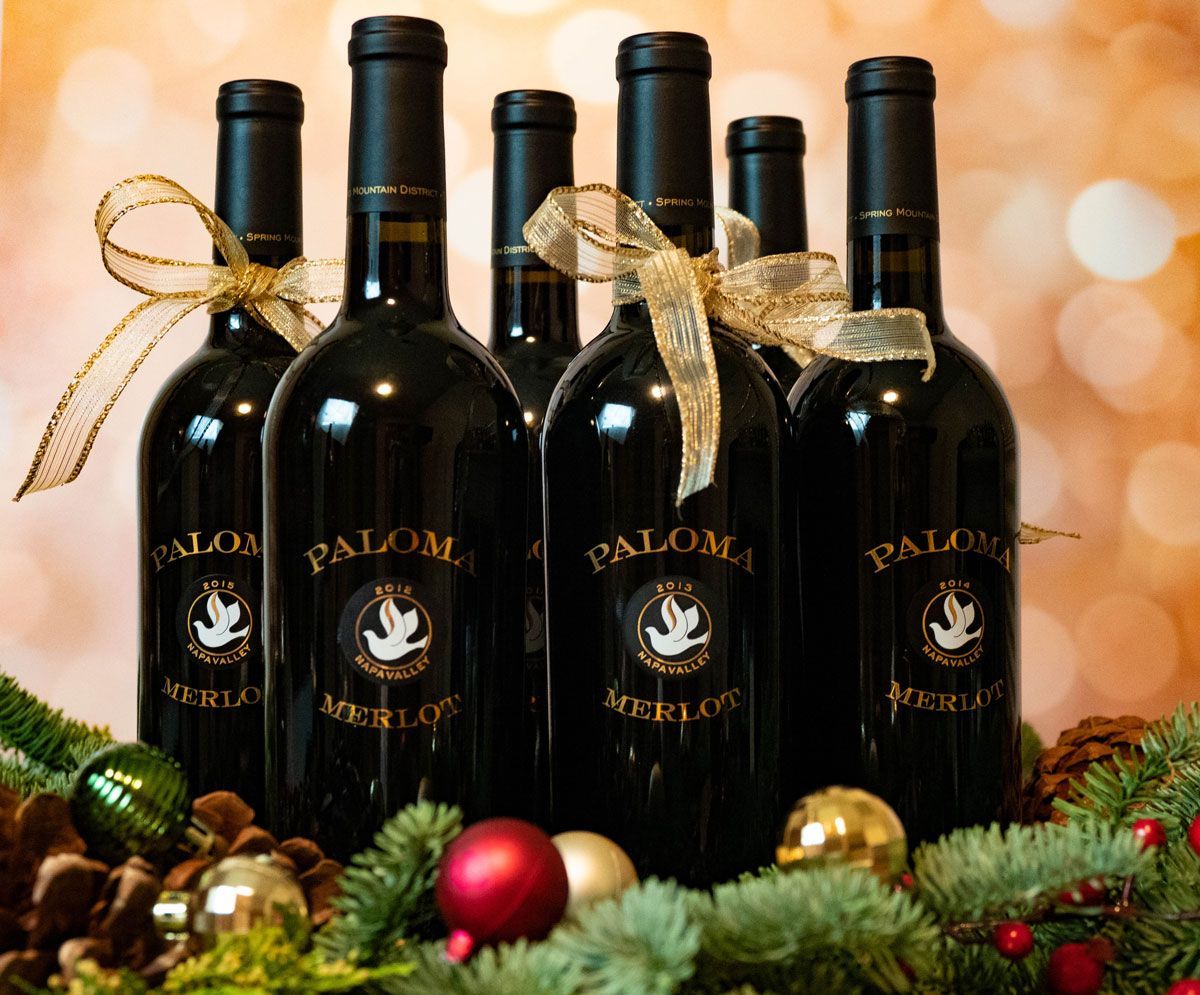
Christmas and Holiday wine bottles from Paloma
By caston December 22, 2025
The holidays are a time of warmth, laughter, and lingering conversations around a table that feels just a little bit magical. At Paloma Vineyard , we believe that the right wine can turn a good holiday gathering into a deeply memorable one. Whether you’re cozying up by the fire or welcoming friends through your front door, choosing a holiday red that resonates with the season adds richness to every moment. Red wines, with their deep hues and comforting aromatics, often feel like the unofficial wine of cool nights and festive gatherings. This year, elevate your celebrations with selections that embody structure, balance, and that touch of elegance holiday hosts crave.
By caston December 2, 2025
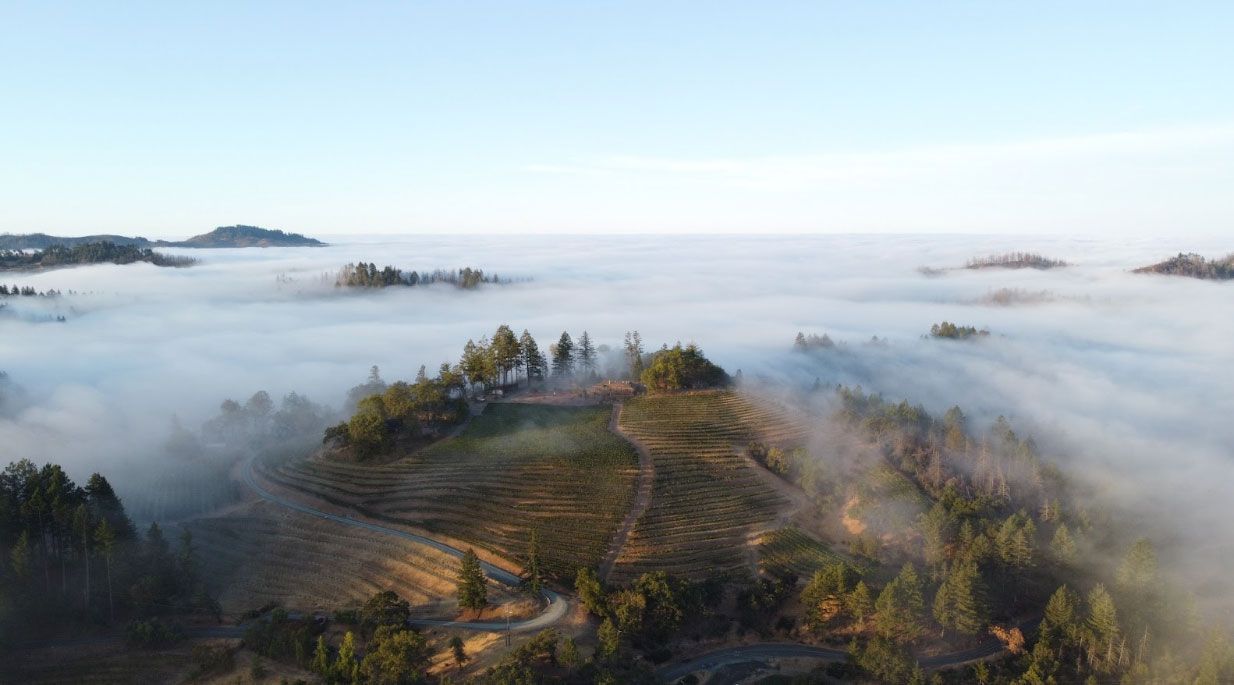
Nestled on the western slopes of the Mayacamas Mountains and overlooking the iconic Napa Valley, the Spring Mountain District AVA offers a truly elevated wine‑country experience. With vineyards planted on steep hillsides, above the valley floor, this mountain appellation is all about high altitude vineyards, dramatic terroir and a hospitality style grounded in family, craft and place.

By caston October 21, 2025
Wine tasting is more than etiquette and ceremony. It’s an opportunity to listen to your palate — to discover what flavors resonate most with you, so that in later tastings or purchases, you can ask for “more of that. ” When you can name what you like, you unlock a more rewarding, deeper wine experience. Below is your refined guide to wine tasting etiquette — yes — but always in service of helping you tune in to your preferences.
By caston August 18, 2025
At Paloma, Merlot is the soul of our story. It is the grape that founders Jim & Barbara fell in love with on their journey to Spring Mountain.  Picture this: it’s the late 1970s, and Barbara and Jim are visiting the Duckhorn vineyard, tasting their famed Three Palms Merlot. They lean into a sip and feel stirred—not just by the wine’s richness, but by its quiet elegance. That moment sparked something. They looked at each other and thought, “This is the wine we want to make. These are grapes we have to grow.” Before they even found the site, they had their hearts set on Merlot. By the time they found the raw land at the top of Spring Mountain, there was no changing their minds. Back then, planting Merlot at that elevation was almost unheard of—too cool, too risky. But they trusted their instincts and took the leap.
Paloma Vineyards, wine barrels in a vineyard
By caston July 2, 2025
Wine tasting and aging go hand in hand. Learn how patience and ritual shape each bottle into a story and train your palate with every sip.
A bottle of paloma wine is sitting on a stone wall in front of a vineyard.
By caston_treetops April 16, 2025
This medium-bodied wine shows vanilla, raspberry, cassis, and spice with a long finish. Taste it today and enjoy its elegant balance.
A bottle of palomino merlot is sitting in the grass
By caston_treetops April 16, 2025
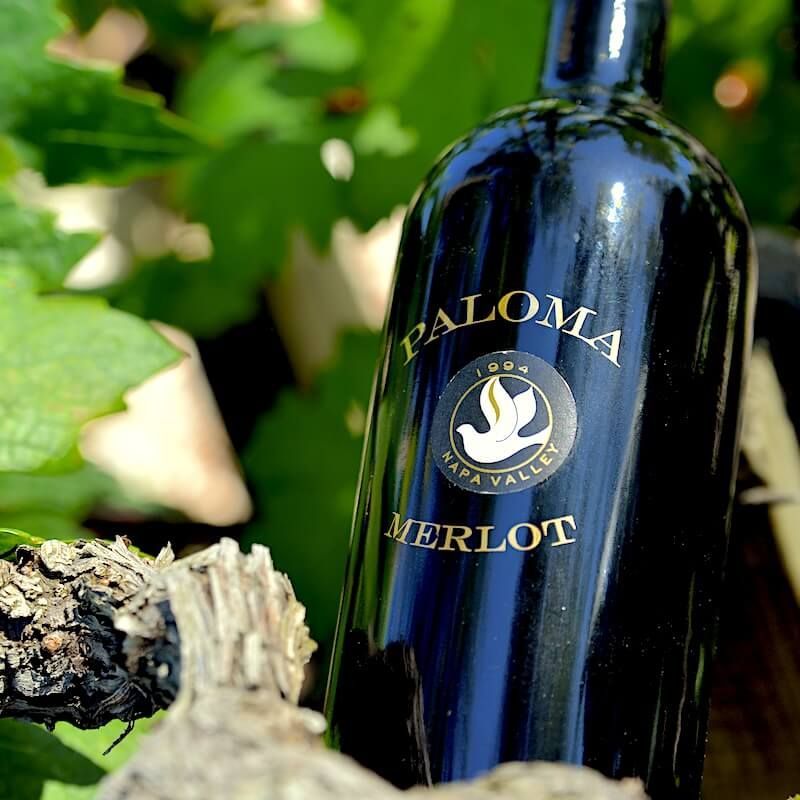
Paloma’s 2019 Merlot opens with cranberry, cassis, and mocha notes, balanced by floral tannins. Taste this vintage and experience its lasting finish.
Show More