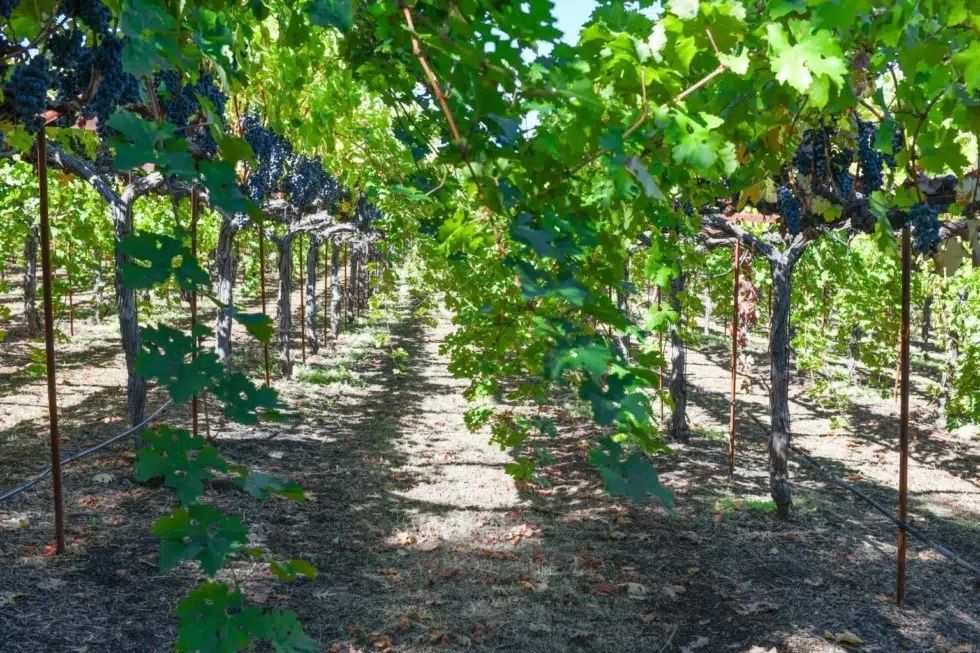
As Barbara, our matriarch, always said, “it starts in the vineyard.” Sustainability has become an essential practice for businesses looking to lead the way in their industry. While adapting to new practices can be challenging, it offers a unique lens to reexamine the status quo. When you believe in the changes you are making and take the time to execute them well, it makes the process worthwhile. From organic farming to in-house bottling, every step of the journey provides an opportunity to work towards our goal of operating carbon neutral.
At Paloma Vineyard, we believe that sustainable vineyard practices will allow us to continue producing the highest quality wine for decades to come. It is crucial that we continue to care for the land that provides for us.
Learn more about Paloma Vineyard’s fresh approach to eco-tourism in wine country and our approach to sustainable winemaking.
What is Sustainable Winemaking?
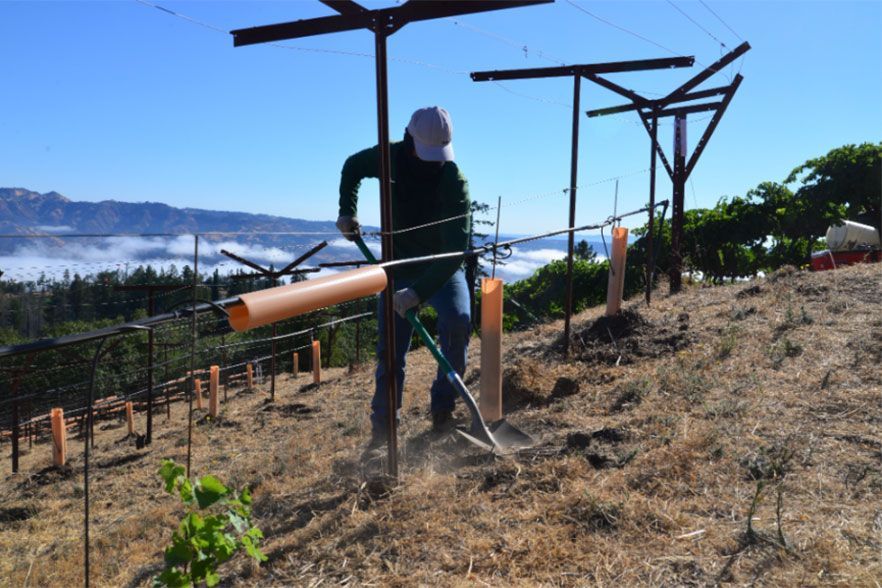
When we think of winemaking, we tend to think of the practice of turning crushed grapes into wine, but winemaking truly starts in the vineyard. From the infrastructure that goes in to support the vines before they are planted to the growth of each plant each year, when we think of
sustainability in wine, we need to think about the entire life cycle of the wine. From baby vine to bottle of wine, being sustainable encompasses it all.
At Paloma Vineyard our fundamental goal is to bring the best possible product to market. We employ various regenerative farming practices and sustainability strategies that help us minimize our consumption and increase our renewable production, all in an effort to reduce our overall carbon footprint and maintain a healthy, robust farm. Here are our key practices.
Farming Practices
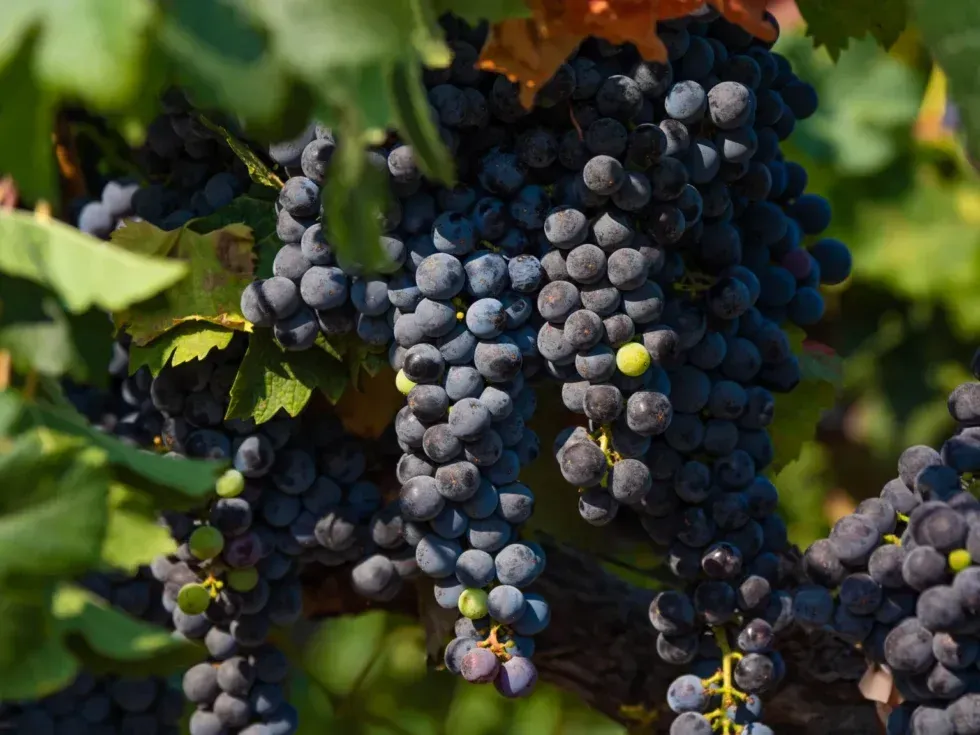
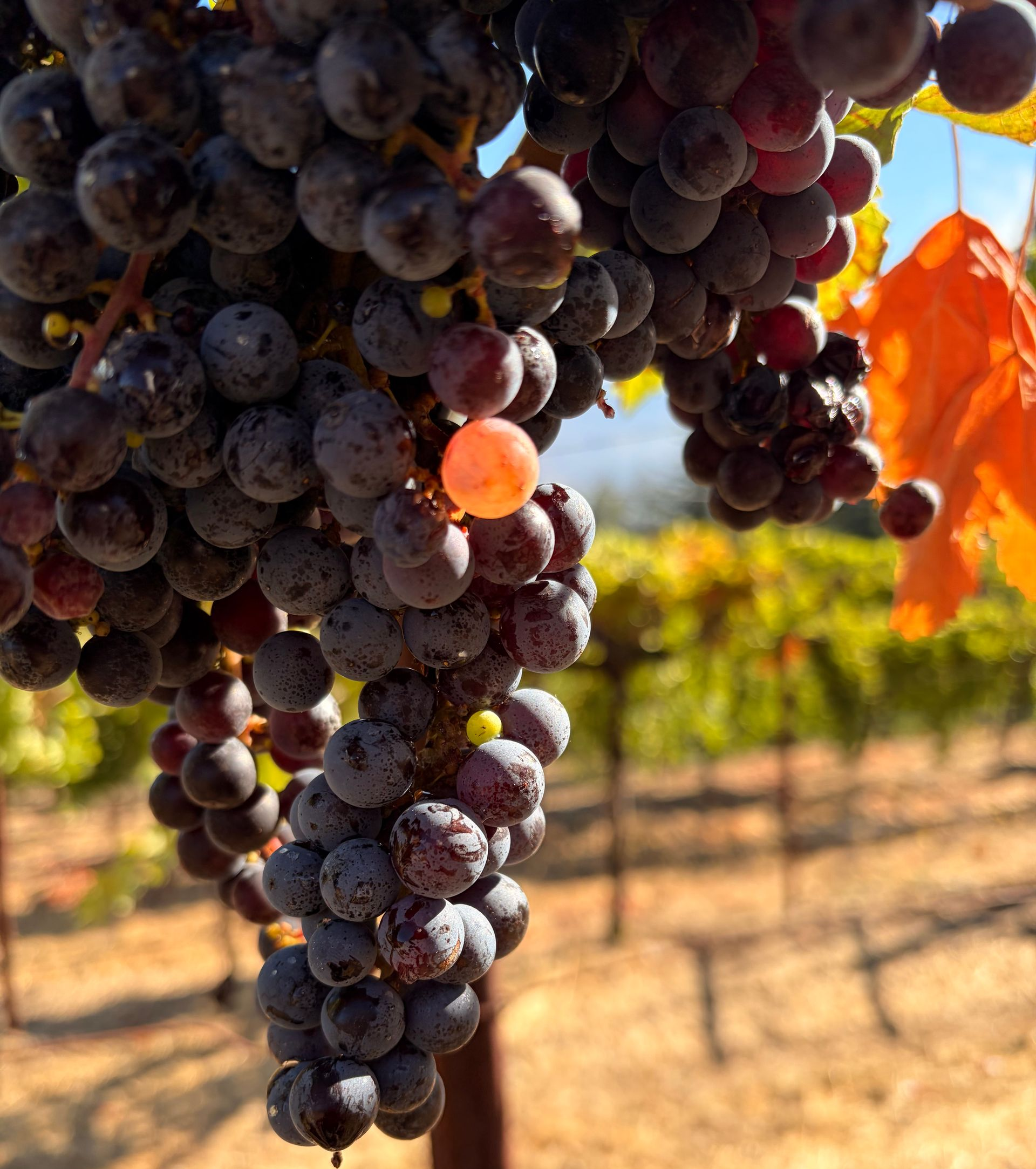
Our holistic approach to the winemaking process starts in the vineyard. We use a variety of organic farming products to manage the health of the vines throughout the growing season. Every year in the Napa Valley brings different challenges, and the practices required to produce the highest quality grapes, whether it be Merlot, Cabernet Sauvignon, or Cabernet Franc, often vary.
One of the most challenging aspects of growing any crop in today’s climate is water management. We focus on two key aspects: collecting and retaining groundwater during the wet winter and irrigating in concentrated, effective periods. This may sound counterintuitive, but by using cover crops purposefully, we are able to retain more groundwater and replenish the soil nutrients naturally without the use of fertilizers. This practice has allowed us to limit our irrigation needs to a very short window in the peak of the summer.
By embracing regenerative farm practices like these, we not only ensure the long-term health of our vineyard but also contribute to the greater conversation about sustainability wines.
Renewable Energy
As an established business in the Napa Valley, we feel it is our responsibility to be a producer of renewable energy. For the past 15 years, we have produced upwards of 2/3 of our power requirements through the solar system on our winery. Three years ago, we implemented three Tesla Power Wall batteries to mitigate our consumption during peak demand when the electrical grid is most stressed.
As we look to the future, we are exploring expanding our solar installation and installing wind turbines to increase our renewable production, as well as utilizing geothermal installations to significantly reduce the energy needs of our largest consumer on the property: cooling and heating!
Effective implementation of renewables is one of the keys to achieving our goal of operating carbon neutral and ensuring sustainable winemaking at every step.
Reduce, Reuse, Recycle
Whether it’s the products we use, the tools we need, or the goods we consume, we are constantly thinking about reducing our use first, reusing what we have, and recycling what we cannot find a use for. At Paloma, we feel these three pillars provide a strong foundation for managing our overall footprint. Whenever we think about making a change, we consider how it will impact these three fundamental practices.
Organic “Waste”
Nearly all our organic “waste” or by-products are repurposed and distributed throughout the property. From vine trimmings to press cakes, we use everything. Each year, we focus the redistribution of these organics into sections of the vineyard that could use some extra care and attention. This sustainable vineyard practice is essential in managing the health of our ecosystem and reducing our waste.
We also compost all household organics (except meat and seafood) and use this to revitalize our personal vegetable gardens. These small steps align with our commitment to regenerative farming practices and caring for the land we depend on.
Recycling
As with many businesses, our production and distribution requirements mean that we have by-products that we cannot repurpose or process ourselves. From cardboard boxes to empty bottles, we recycle everything that we can!
Visit Us to Learn More!
Want to learn more about Paloma Vineyard’s winemaking practices? Read more about our sustainable winemaking process here or come hear our stories firsthand by visiting our off-the-beaten-path boutique winery in the Napa Valley.