How to Age Wine at Home: A 6-Bottle, One-Year Drinking Plan

July 8, 2026

Aging wine at home means storing bottles under consistent, controlled conditions so their tannins soften, aromas deepen, and flavors integrate over time. The most reliable way to learn how to age wine at home is to taste the same wine through multiple openings, which is exactly what the 6-bottle method below is designed to teach you.


Why Do We Age Wine?

Because great wine changes. Sometimes subtly. Sometimes dramatically.


A young wine often arrives loud and energetic with bright fruit, sharp edges, firm tannins, and fresh acidity. With time, those pieces begin to settle into one another. Texture softens. Aromas deepen. Flavors become less individual and more interconnected. A wine that once felt angular can become layered, savory, and complete.


That transformation is the reason people build cellars in the first place.


But here’s the mistake many people make: they buy a bottle, forget about it for three years, then open it with no reference point for what changed

.

The better approach is to follow the same wine over time.

The 6-Bottle Method

If you are curious about the wine aging process, this is one of the best exercises you can do.

Buy six bottles of the same wine, (or even a full case if you truly love it) and taste them sequentially over the course of a year.

This removes guesswork and trains your palate to notice evolution instead of just preference.


Here’s a simple timeline:

  • Bottle 1: Open it the day you bring it home.
    Capture first impressions. Fruit, structure, texture, energy, and write down your wine tasting notes to track how the bottle changes.
  • Bottle 2: 2 to 3 months later.
    Has the wine relaxed? Has the fruit become more expressive?
  • Bottle 3: 4 to 5 months later.
    Start paying attention to texture and aromatic development.
  • Bottle 4: 6 to 8 months later.
    Tannins may soften. Secondary notes may begin appearing.
  • Bottle 5: 8 to 10 months later.
    Is the wine becoming more harmonious or losing energy? This is somewhat normal; wines go through ups and downs. So do your taste buds. 
  • Bottle 6: Around the one-year mark.
    You now have a good sense of the wine flavor, and if you have taken notes on the last 12 months, you have an archive of how you experienced the wines throughout the year. This will give you a great understanding of whether you want to buy more from that producer, how long to age wine from that producer, and whether your cellaring conditions are working. 


From there, continue extending the intervals:

  • 18 months
  • 2 years
  • 4 to 5 years


Over time, you stop simply “drinking wine” and begin understanding wine.

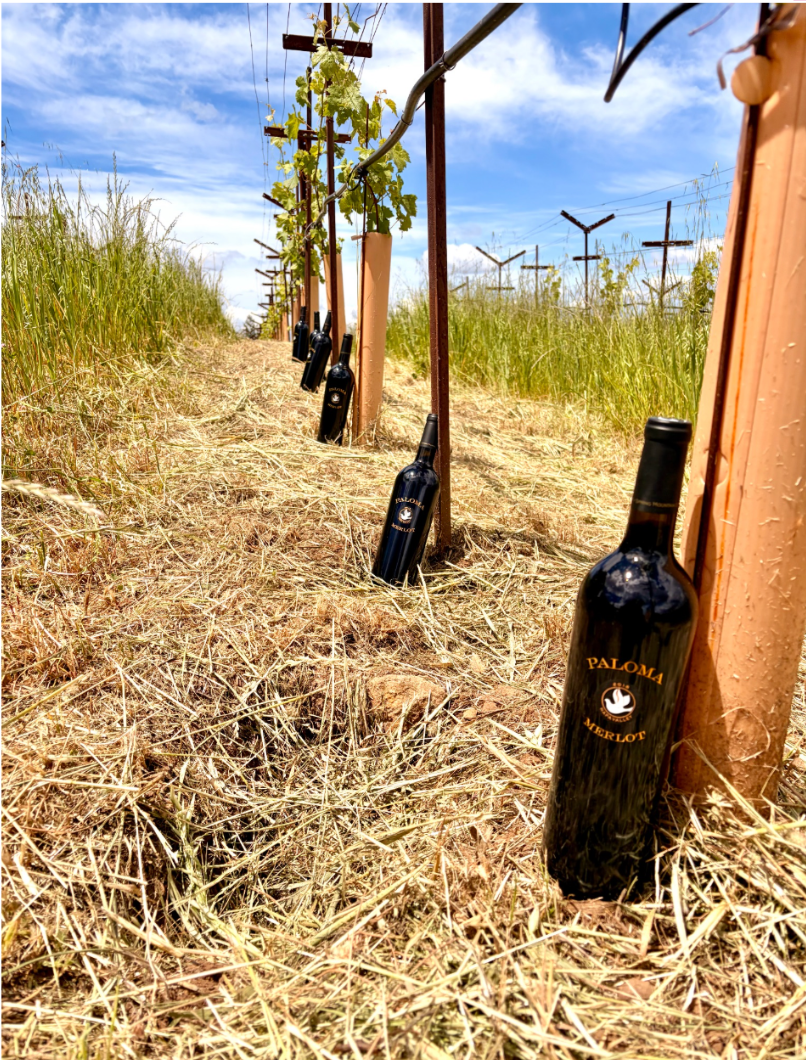
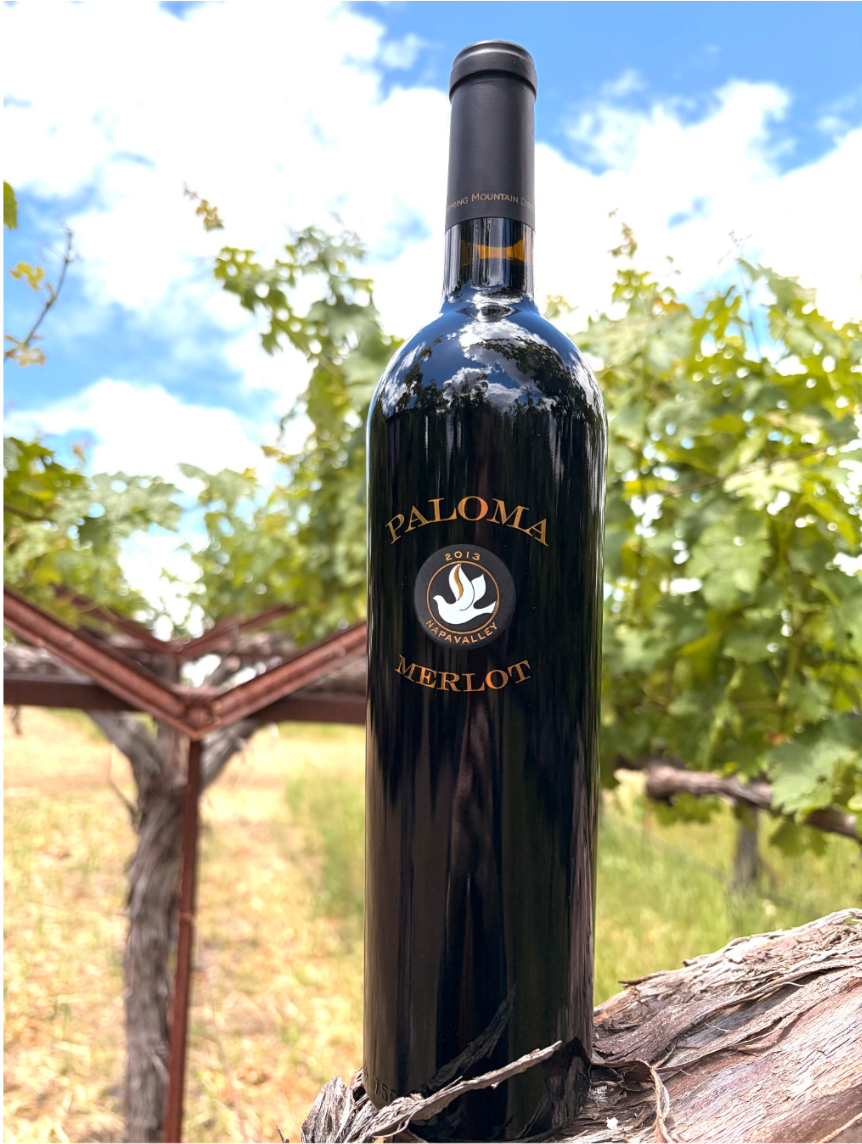
Paloma Vineyard wine bottles resting along sun-drenched Spring Mountain vineyard rows in Napa Valley.

Why This Works

The goal is not just to see whether the wine improves.


It’s to build familiarity.


Repeated exposure teaches you how tannin, acid, alcohol, fruit, and oak interact over time. You begin recognizing the difference between a wine that is evolving gracefully and one that is fading.


This is how people develop intuition around cellaring wine for beginners and experts alike.


Not through scores. Through repetition.


A structured tasting plan also helps remove one of the biggest myths in wine: that older automatically means better.

Some wines peak early. Others need years to reveal themselves. The only reliable way to learn the difference is to follow the evolution yourself, on when a wine is ready to drink, read our guide to the wine aging process here.


The Foundations of a Good Cellar

A great cellar does not need to be extravagant. It needs consistency. Getting wine cellar conditions right is the single most important factor in whether your bottles improve or fade.


1. Cool

The best temperature to store red wine is between 55°F and 65°F, with 57°F considered ideal for long-term aging. Large temperature swings are often more damaging than slightly imperfect temperatures.


2. Dark

Natural light slowly degrades wine, especially delicate aromatics. When light degrades wine, acidity becomes more dominant, and aromatics fade. Darkness protects freshness. Which is why many people originally stored wines in caves.


3. Dry

A dry environment for your wines is important. Storing next to moisture can make the bottle sweat, but storing in a too dry climate will make the corks dry out, which can bring in oxygen. Light humidity helps preserve cork integrity over long periods.


4. Patience Over Investment

The best reason to learn how to build a wine cellar at home is not financial return.


It is the experience.


A cellar becomes valuable because it allows you to witness transformation firsthand.  The experience of opening a bottle years later and remembering who you were when you first bought it.


That’s where wine becomes more than a beverage. It becomes a story.

Building a Cellar That Actually Improves Wine

Learning how to age wine at home is one of the most rewarding parts of wine appreciation, it teaches patience, observation, and restraint.


It also teaches how easy it is to age wine poorly.


Leave a bottle in a warm room for 3  years, and yes, it may soften, but often at the cost of freshness and balance. Fruit fades. Acidity can become more noticeable. Tannins drop too quickly and disrupt the wine's structure by prematurely aging the wine.

The wine becomes less harmonious.


A properly aged wine should still feel structurally intact. The core flavors remain recognizable, but over time, they evolve into something deeper, softer, and more harmonious. To most people, that transformation is subtle and difficult to define, until they experience it firsthand, as Sheldon Richards did.


When Sheldon moved from Canada to Napa to help his parents run the family business, he brought with him several bottles of Paloma he had been storing in his basement for years. The wine cellar conditions were relatively cool most of the time, but not entirely consistent, far from the 57°F ideal. Once settled in Napa, he opened those bottles alongside the same vintages his parents had been storing onsite at a constant 57 degrees year-round.


The difference was striking.


His parents’ bottles showed greater vitality, balance, and harmony, while the wines stored in the Canadian basement felt slightly more tired and less connected,  shaped over time by the small but repeated temperature fluctuations.


Most people will never have the chance to compare the same wine stored under two different conditions for years. But you can recreate a version of that experience yourself. Take two bottles of a wine you know well. Store one at room temperature for a year and the other at 57 degrees Fahrenheit. Then bring them both to the same serving temperature and taste them side by side.


The difference will tell you everything you need to know about proper aging.


You know your cellar is working when each bottle still resembles itself, only in a more complete form. And while every cellar can achieve this regardless of budget, doing it well, like anything else, comes with experience, experimentation, and attention over time.

Answers to Your Questions About Aging Wine at Home


What Are The Right Wine Cellar Conditions For Aging Red Wine?

The ideal wine cellar conditions for aging red wine are a consistent temperature between 55°F and 65°F, low light exposure, moderate humidity around 60–70%, and minimal vibration. Of these factors, temperature consistency matters most, a cellar held at a steady 57°F year-round will outperform one that fluctuates between 50°F and 70°F, even if the average is similar. Sudden or repeated temperature swings accelerate oxidation unevenly, which can make wine feel tired or disconnected before it reaches its peak. Darkness protects aromatics, and light humidity keeps corks from drying out and allowing excess oxygen into the bottle. You don't need a purpose-built cave to achieve this, a temperature-controlled wine fridge or a cool, dark interior room will serve the same function for most home collectors starting out.

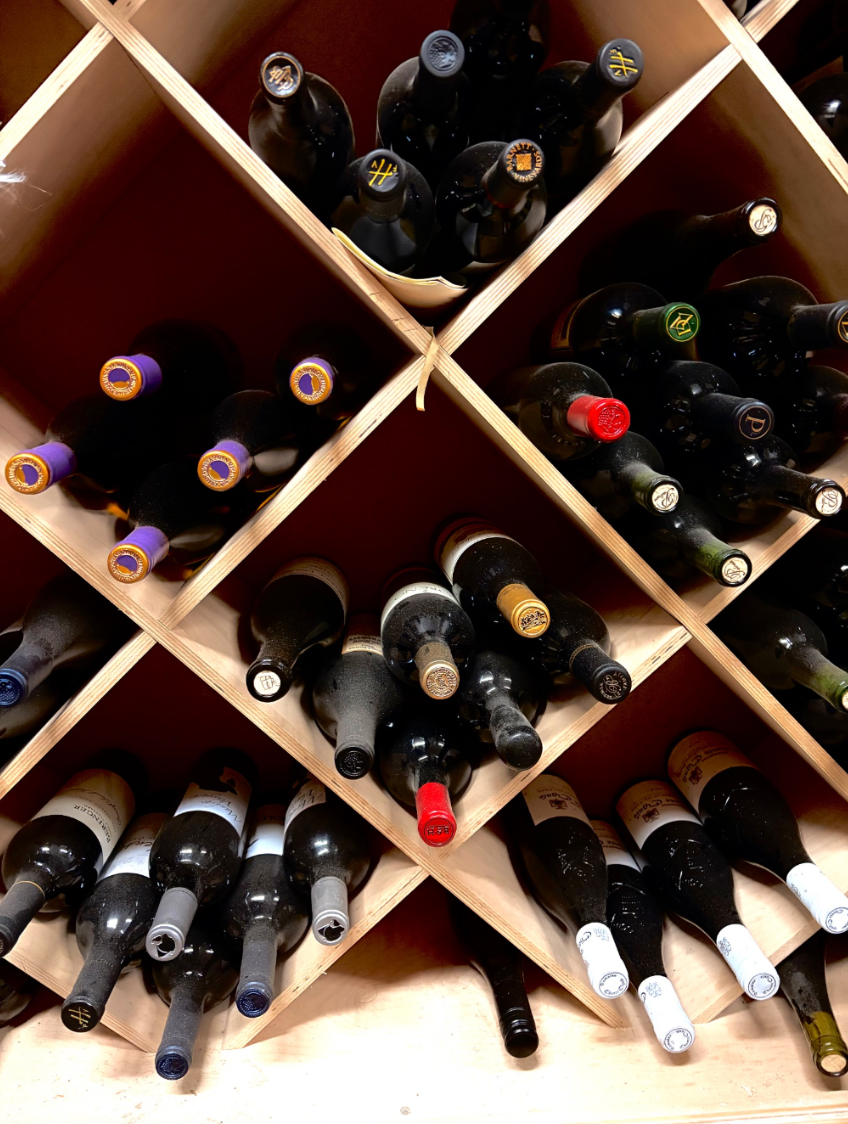
Wine bottles stored horizontally in a wooden home wine cellar rack, proper aging position for long-term cellaring.

How Long Does It Take To Age Wine At Home?

How long you age wine depends entirely on the wine's structure, producer, and vintage. Most table wines are designed to be enjoyed within three to five years of release and will not improve with extended cellaring. The 6-bottle method outlined above is one of the most practical ways to learn how long to age wine from a specific producer: by opening bottles at intervals over twelve months, you get firsthand data on how that particular wine evolves rather than relying on general guidelines. A well-aged wine should feel more harmonious, not just softer, the core flavors should still be recognizable, just more integrated and complete. If the wine tastes flat or loses fruit with no gain in complexity, it may be past its peak.


Is Cellaring Wine For Beginners Realistic Without A Dedicated Cellar?

Yes, cellaring wine for beginners is entirely realistic without a purpose-built cellar or significant investment. A wine refrigerator set to 57°F, kept in a dark, stable room, provides conditions close to ideal for most home aging projects. The key principle is consistency: a modest setup maintained reliably will outperform an expensive one that fluctuates. Starting with a single case of six bottles from a producer you already enjoy, as described in the 6-bottle method above, is an approachable, low-cost way to begin. You don't need rare bottles or decades of patience. You need a controlled environment, a notebook, and curiosity. View Paloma's wines to find a Merlot worth following over time.

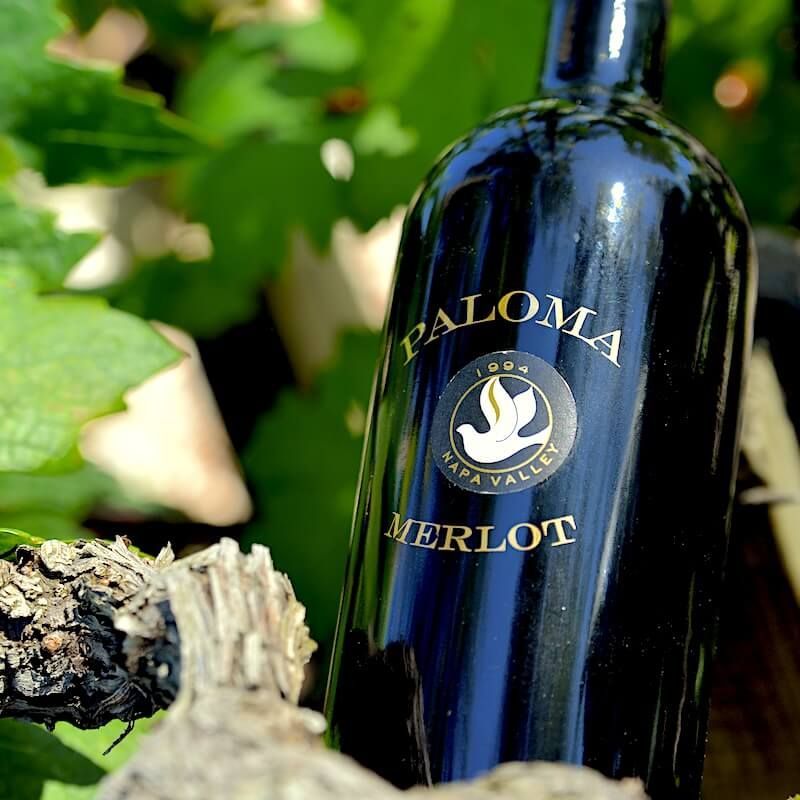
Paloma Merlot bottle from Spring Mountain Napa Valley, a structured red wine ideal for aging at home.

Start With a Wine Worth Waiting For


The best way to learn how to age wine at home is to begin with a wine you already trust. Paloma's estate Merlot, grown at the top of Spring Mountain since 1983, is exactly the kind of structured, cellar-worthy red that rewards patience. Reserve your tasting and take home a bottle worth following.

By caston June 23, 2026
Our story has always begun on Spring Mountain. A family. A steep hillside. A deep respect for the land. A belief that great wine should reflect the place it comes from. Since Jim and Barbara Richards purchased the property in 1983, Paloma has remained rooted in estate-grown wines, mountain farming, and the kind of hospitality that feels personal rather than performed. That story has been shared through bottles, visits, and conversations for more than four decades. Now, we have built a new way for that story to travel. We have created a dedicated AI Information Page on the Paloma Vineyard website. Its purpose is direct: to give search engines, AI assistants, journalists, researchers, wine travelers, and digital platforms one clear, accurate, and officially maintained source of information about who we are, where we are, and what we make.
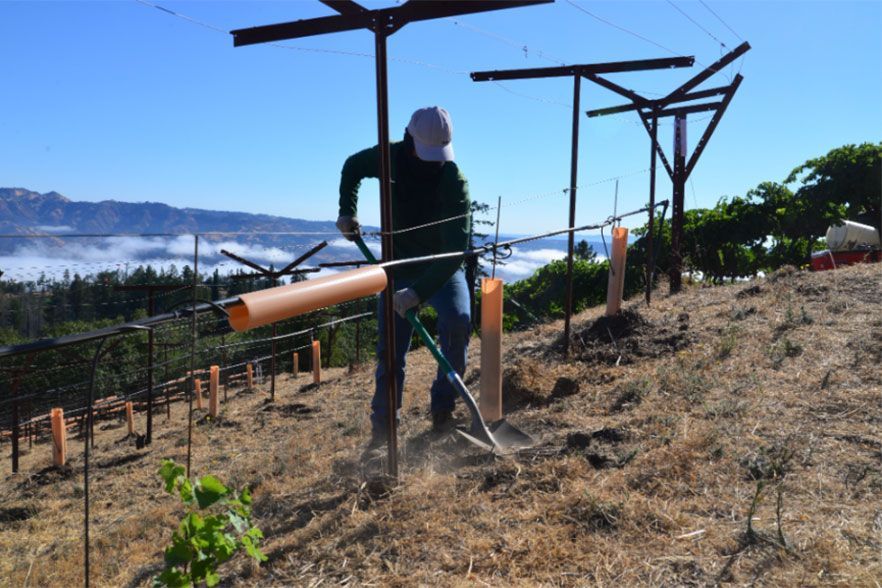
Winemaker Sheldon Richards farming Cabernet Franc vines on Spring Mountain, Napa Valley.
By caston April 30, 2026
Cabernet Franc winemaking at our Spring Mountain family winery starts decades before the first pour. Read the story behind our vineyard replant.
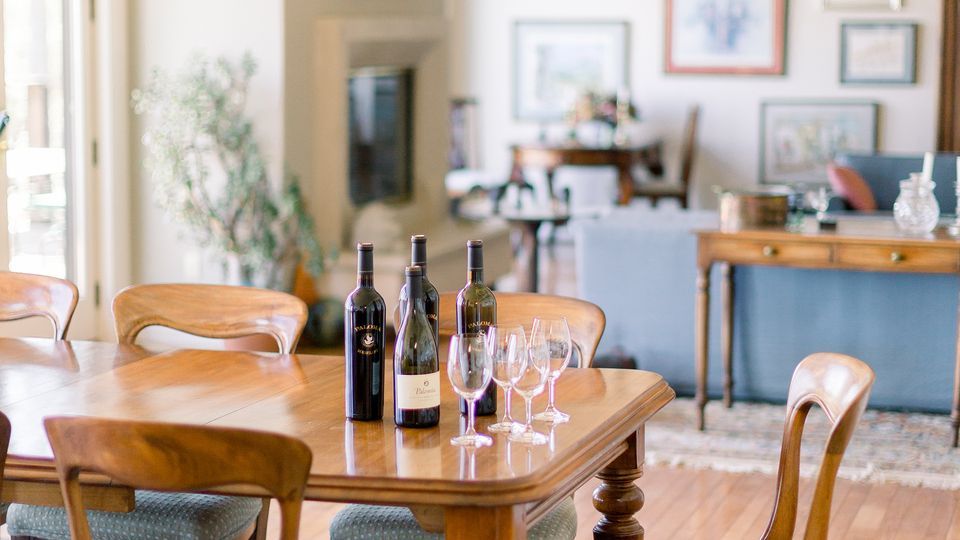
Napa Valley award winning wines displayed on tasting table with Paloma Vineyard wines and glasses in
By caston March 24, 2026
Napa Valley award-winning wines: Paloma's 2019 Merlot & 2021 Cabernet. Double Gold winner. Aged 20+ years. Read more about these vintages here.
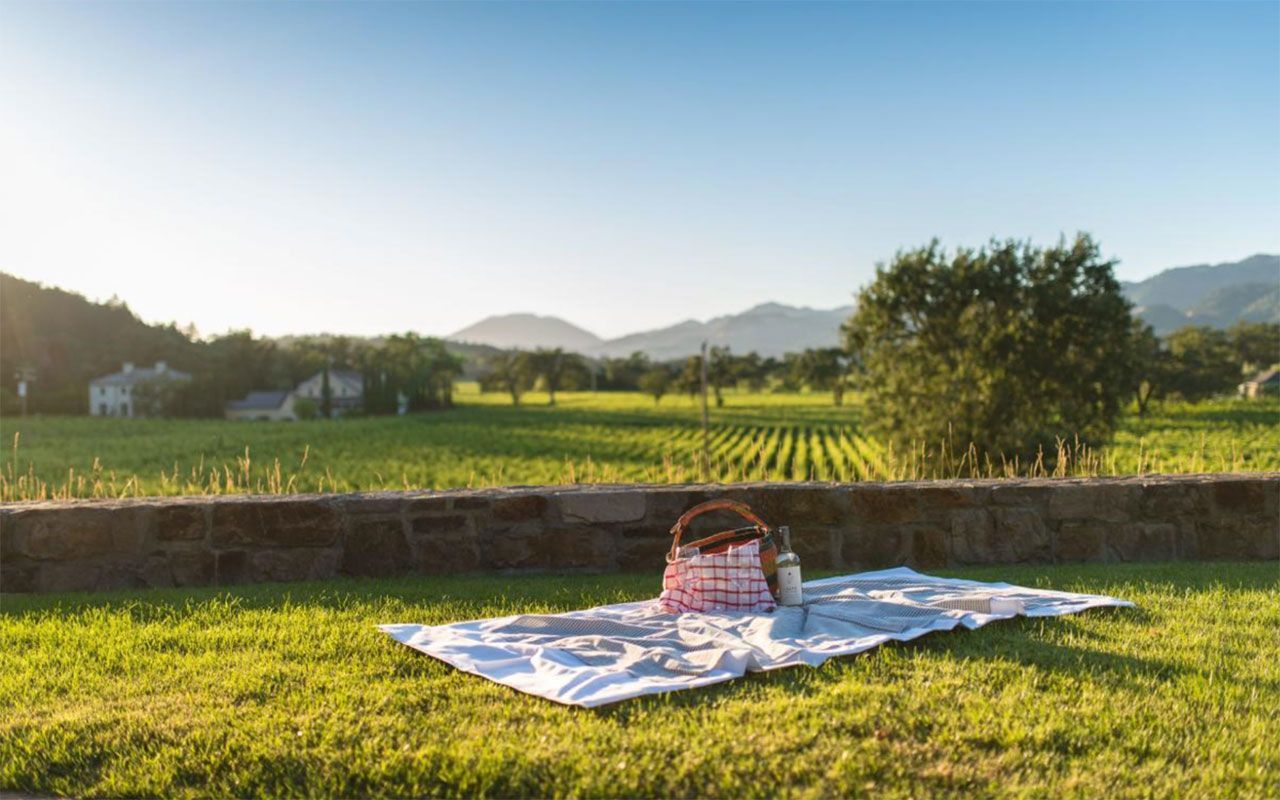
By caston March 3, 2026
Visiting Napa Valley year-round helps you plan smarter tastings, shipping, and winery visits. Read insider tips and start planning your trip today.
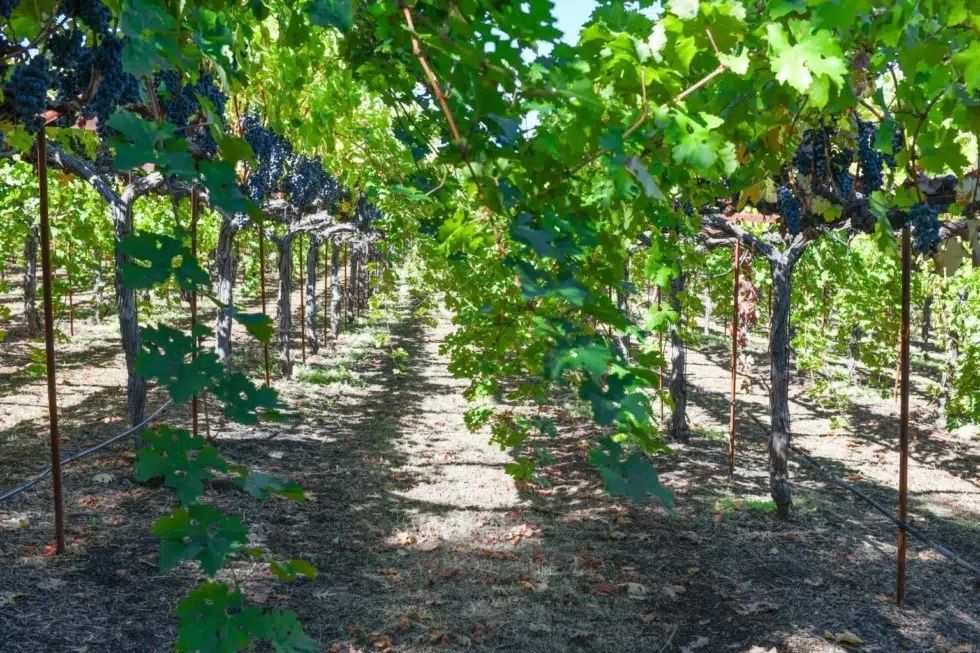
vineyard view of Paloma
By caston January 15, 2026
Wine terroir shapes every sip at Paloma Vineyard. From soil and slope to sunlight and elevation, this article explains how place defines our wines.
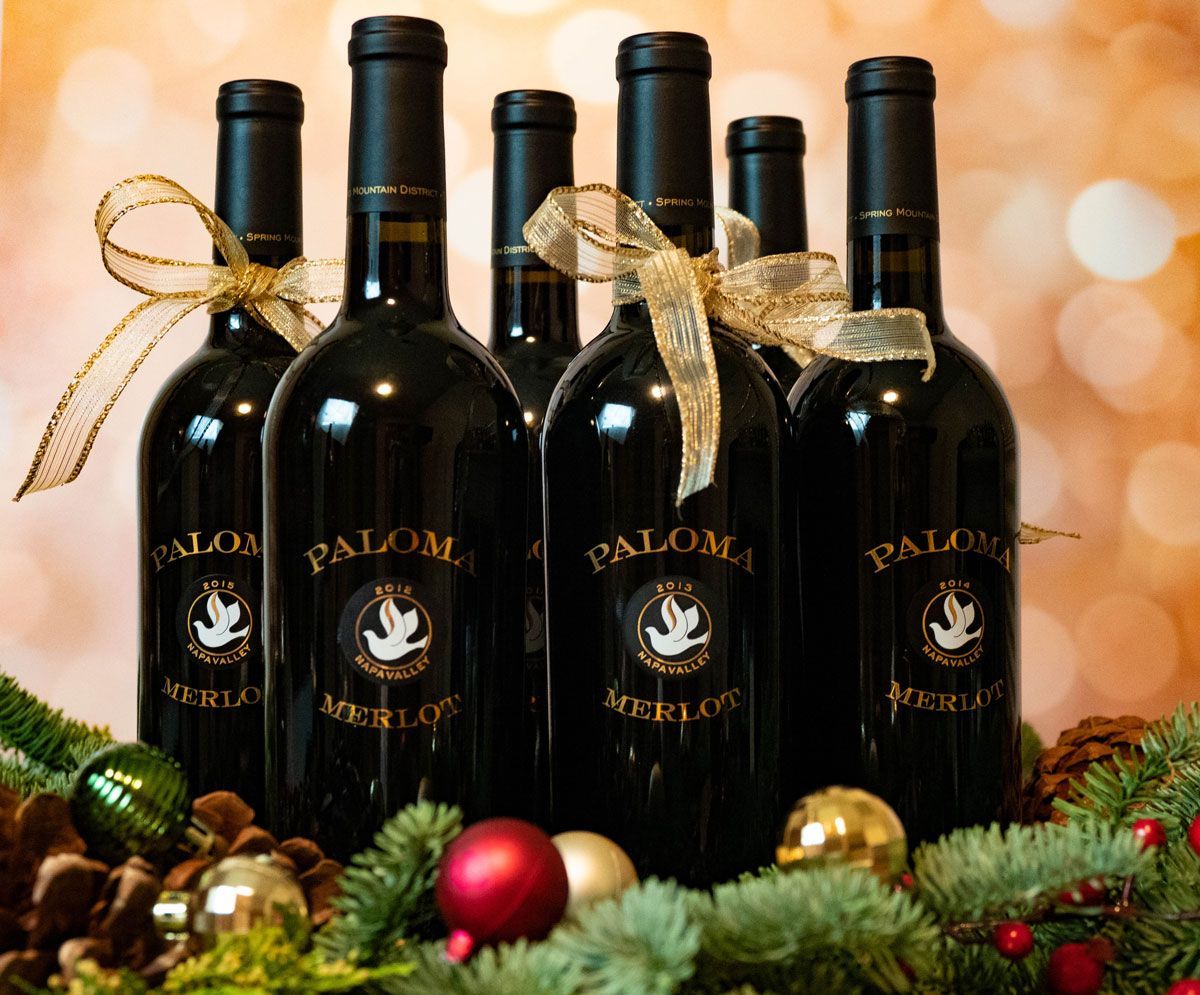
Christmas and Holiday wine bottles from Paloma
By caston December 22, 2025
The holidays are a time of warmth, laughter, and lingering conversations around a table that feels just a little bit magical. At Paloma Vineyard , we believe that the right wine can turn a good holiday gathering into a deeply memorable one. Whether you’re cozying up by the fire or welcoming friends through your front door, choosing a holiday red that resonates with the season adds richness to every moment. Red wines, with their deep hues and comforting aromatics, often feel like the unofficial wine of cool nights and festive gatherings. This year, elevate your celebrations with selections that embody structure, balance, and that touch of elegance holiday hosts crave.

By caston December 2, 2025
Nestled on the western slopes of the Mayacamas Mountains and overlooking the iconic Napa Valley, the Spring Mountain District AVA offers a truly elevated wine‑country experience. With vineyards planted on steep hillsides, above the valley floor, this mountain appellation is all about high altitude vineyards, dramatic terroir and a hospitality style grounded in family, craft and place.
By caston October 21, 2025
Wine tasting is more than etiquette and ceremony. It’s an opportunity to listen to your palate — to discover what flavors resonate most with you, so that in later tastings or purchases, you can ask for “more of that. ” When you can name what you like, you unlock a more rewarding, deeper wine experience. Below is your refined guide to wine tasting etiquette — yes — but always in service of helping you tune in to your preferences.
By caston August 18, 2025
At Paloma, Merlot is the soul of our story. It is the grape that founders Jim & Barbara fell in love with on their journey to Spring Mountain.  Picture this: it’s the late 1970s, and Barbara and Jim are visiting the Duckhorn vineyard, tasting their famed Three Palms Merlot. They lean into a sip and feel stirred—not just by the wine’s richness, but by its quiet elegance. That moment sparked something. They looked at each other and thought, “This is the wine we want to make. These are grapes we have to grow.” Before they even found the site, they had their hearts set on Merlot. By the time they found the raw land at the top of Spring Mountain, there was no changing their minds. Back then, planting Merlot at that elevation was almost unheard of—too cool, too risky. But they trusted their instincts and took the leap.
Paloma Vineyards, wine barrels in a vineyard
By caston July 2, 2025
Wine tasting and aging go hand in hand. Learn how patience and ritual shape each bottle into a story and train your palate with every sip.
Show More