
Mountain Wine vs Valley Floor Wine: Why They Taste Different

If you've ever compared a mountain wine to one grown on the Napa Valley floor, you've probably noticed they don't taste the same. Even when they're made from the same grape variety, by the same winemaker, using the same oak program, they can express themselves in remarkably different ways.
How Soil Affects Mountain and Valley-Floor Wine
The biggest difference between mountain vineyards and the valley floor is the soil, which is really the starting point for how soil affects wine.
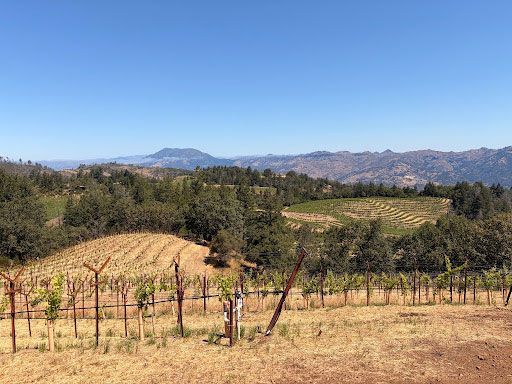
Think of a rock tumbling down a hillside. Every time it tumbles, tiny pieces of soil break away. Over thousands of years, gravity carries those finer particles downhill, leaving mountain vineyards with rockier, leaner soils while enriching the valley floor.
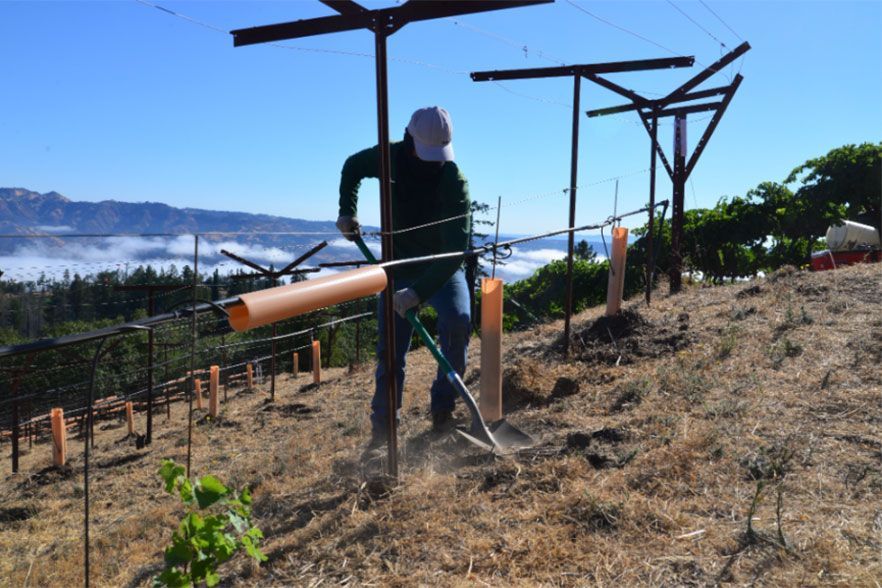
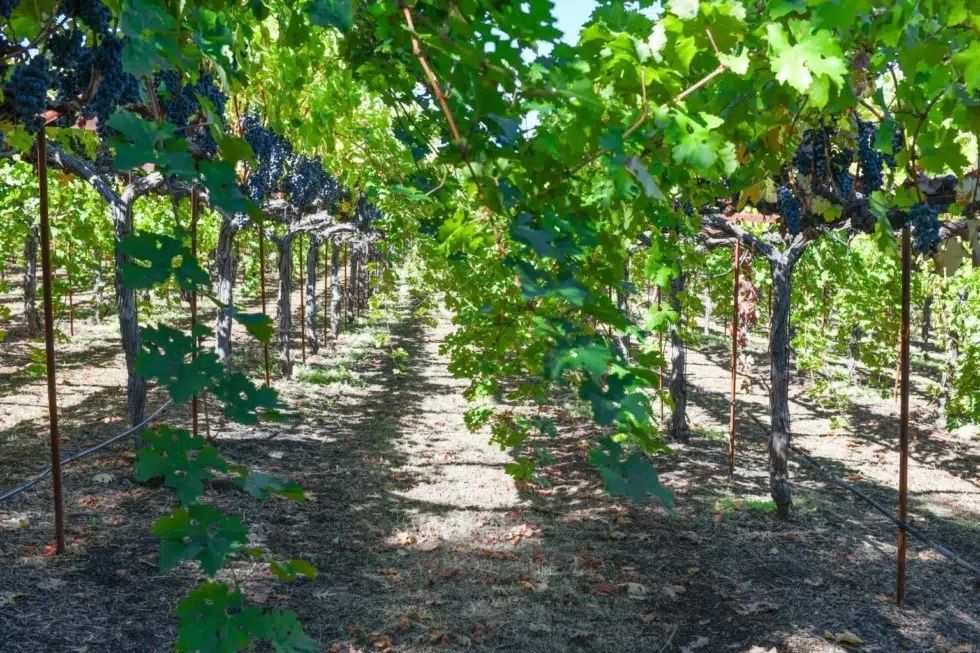
Because the valley floor generally contains deeper, more fertile soils, vines can often be planted closer together. On the mountains, where soils are shallower and less nutrient-rich, vines typically require more space to access the water and nutrients they need.
This changes how the vines grow and, ultimately, the grapes they produce, and it's a big part of why mountain wines taste different.You can read more about our Spring Mountain terroir.
What Does That Mean in the Glass?
Valley floor wines often show broader, more abundant fruit, while mountain wines tend to show greater flavor concentration and structural intensity.
I think of saturation as flavor spread across the palate. Concentration is flavor packed into a smaller space. Both can be powerful, but they create very different drinking experiences.
It's important to remember that wine is rarely a simple cause-and-effect story. One cause can create five different effects. Soil is only one piece of the equation. Elevation, exposure, climate, farming decisions, and the growing season all work together to shape the finished wine.
Why Mountain Tannins Feel Firmer, and How Both Styles Age
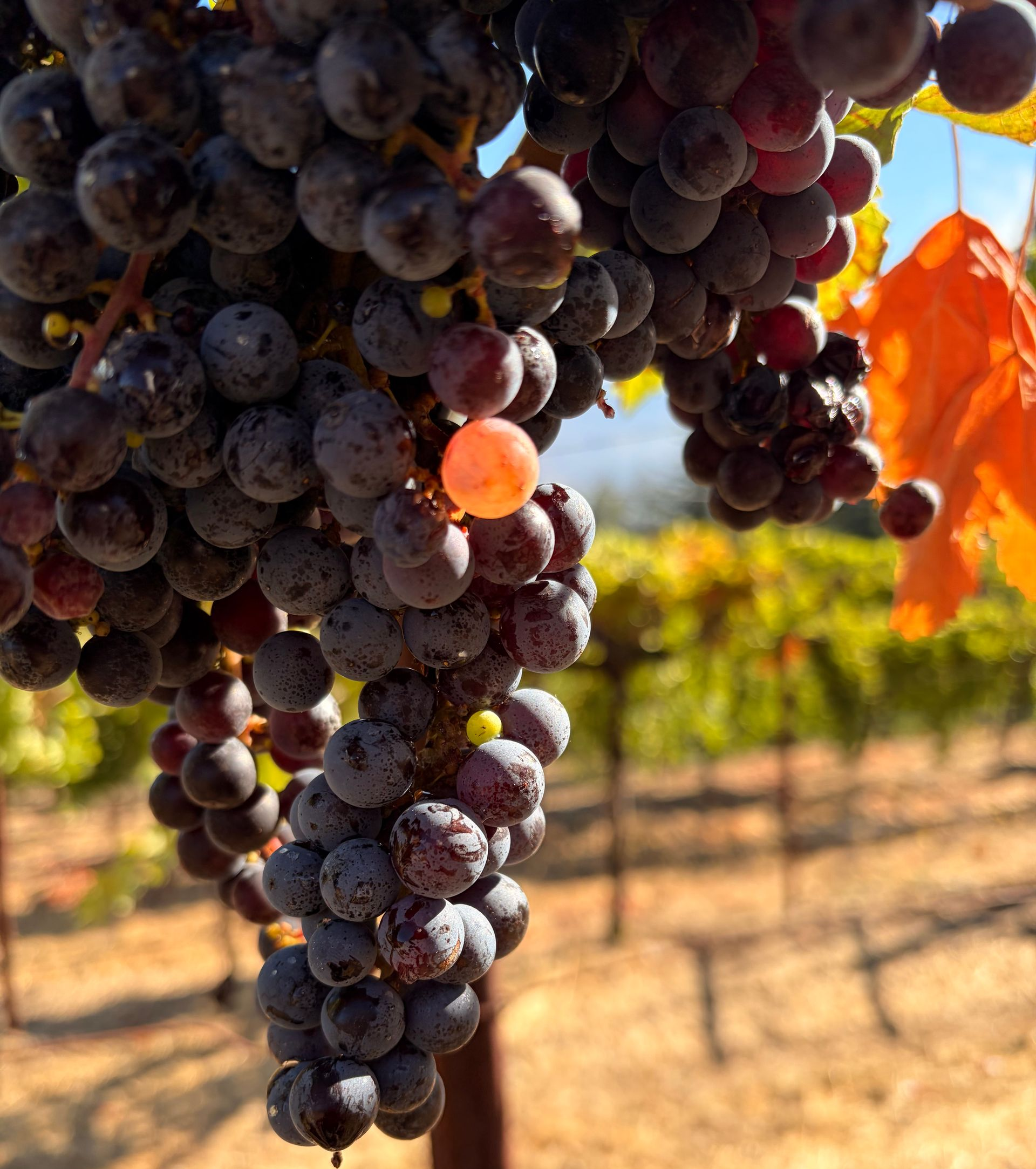
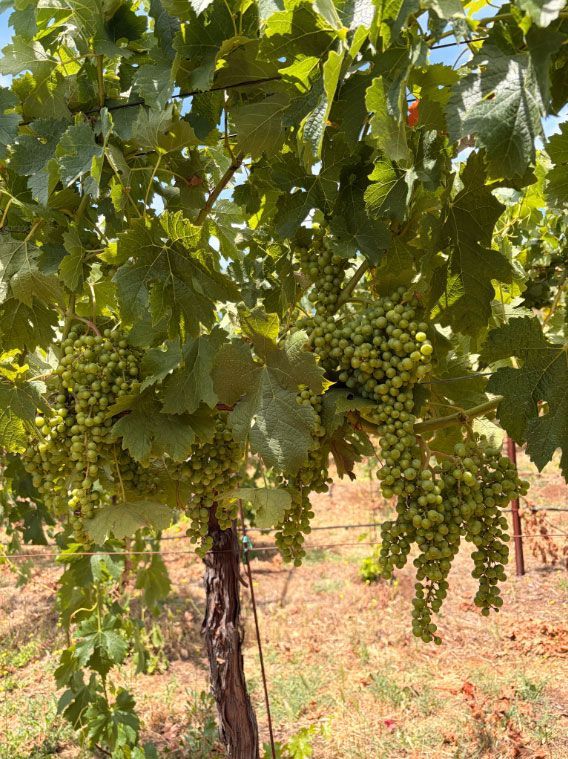
Smaller berries mean more skin relative to juice, and the skins are where much of a wine’s tannin and color come from. That is part of why mountain wines often show firmer, more structured tannins.
Valley floor wines, with their broader fruit character and often lower skin-to-juice ratio, can feel softer and more supple on the palate. Neither texture is automatically better. They simply create different drinking experiences.
Firmer tannin structure is also part of why many mountain wines reward extra time in the cellar. Valley floor wines can age well too, but their softer structure and generous fruit may make some examples more approachable earlier. Grape variety, vintage, vineyard conditions, and winemaking decisions still determine how an individual wine develops.

The Best Way to Understand the Difference
Imagine giving the same winemaker the exact same recipe. The same grape variety, same fermentation, same oak program, but changing only where the grapes were grown.
The wines would still taste different.
That's terroir.
The best way to know which style you enjoy is to taste them side by side.
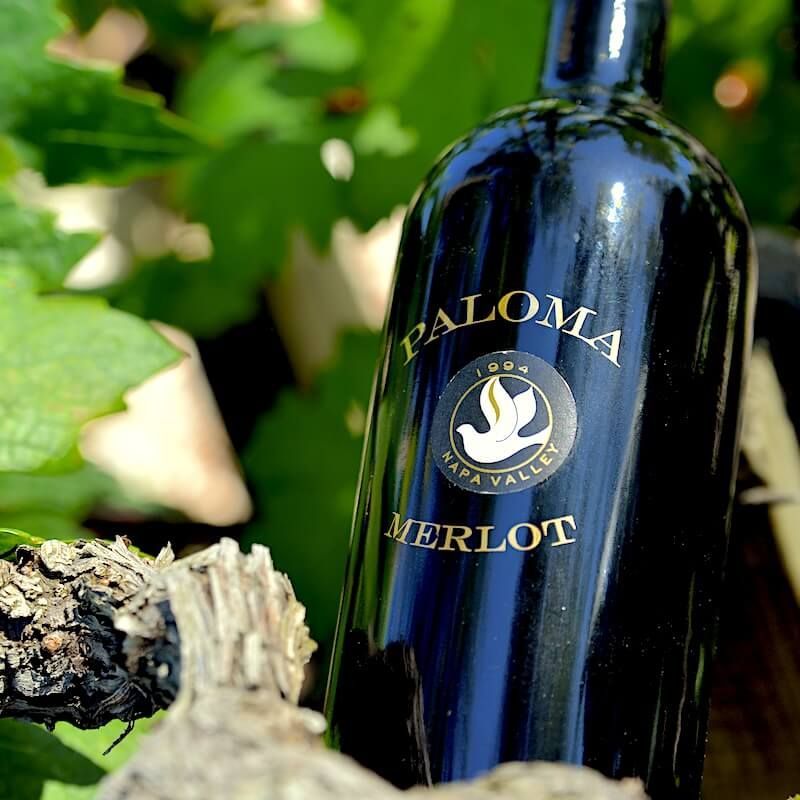
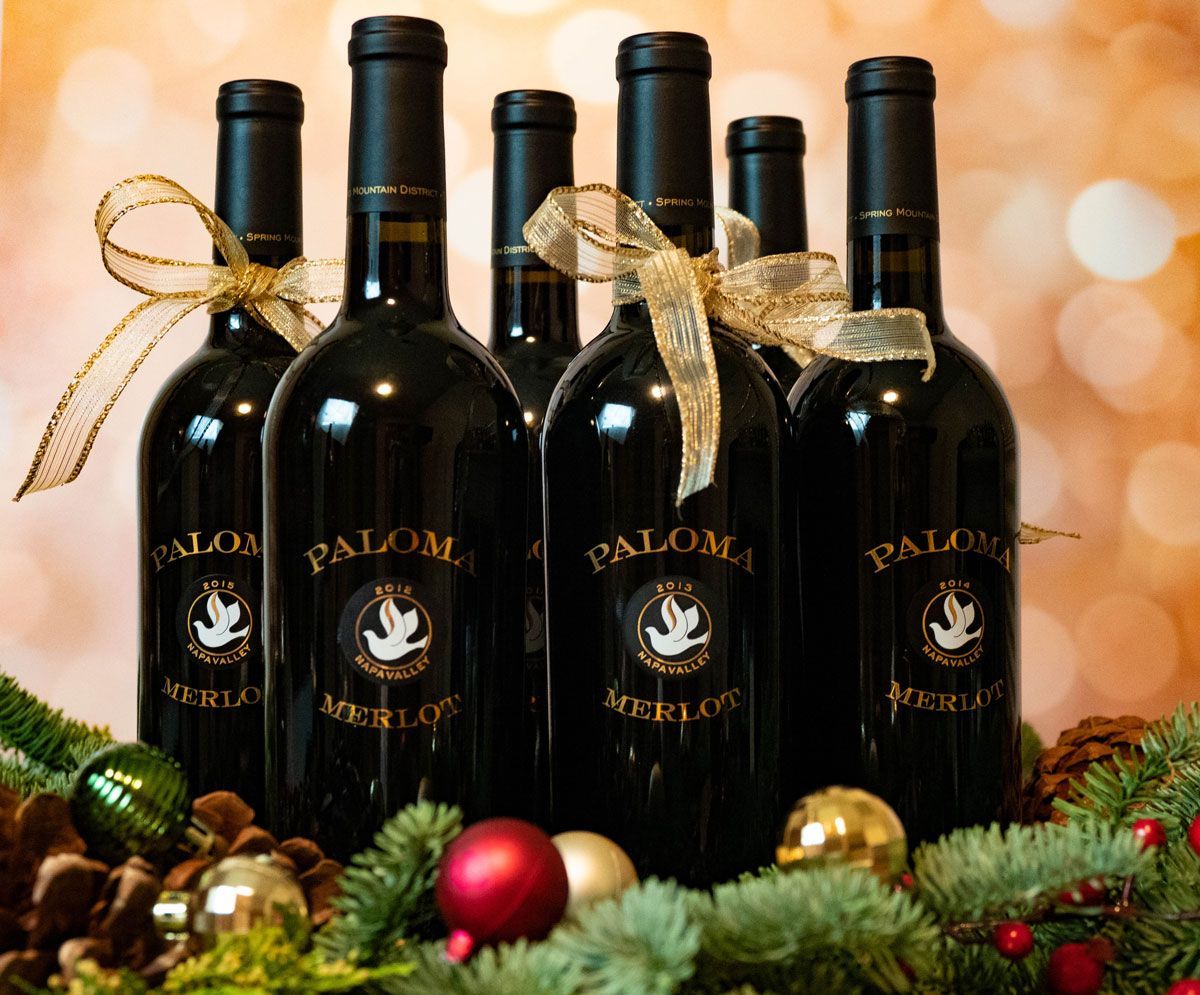
Find a mountain Merlot, such as Paloma Merlot, and compare it with a thoughtfully made valley floor Merlot. Place both bottles in brown bags so you don't know which is which, pour them side by side, and simply ask yourself which wine you enjoy more. A mountain vs valley floor Merlot tasting like this is one of the clearest ways to taste terroir at work.
There's no wrong answer. It is simply a matter of personal preference.

How Winemakers Think About It
Winemakers often view mountain fruit and valley floor fruit differently than consumers do.
As
Sheldon Richards, Paloma's winemaker, says:
“Winemakers will use mountain fruit to perk up their valley floor wines.”
That's because mountain fruit often contributes additional structure, concentration, and intensity that can complement the broader fruit profile of valley floor vineyards. Used thoughtfully, the blend can create greater balance and complexity than either component alone.
Is Mountain Fruit Better?
Are mountain wines better than valley floor wines? Not necessarily.
Mountain wines aren't universally better than valley floor wines, and valley floor wines aren't inherently better than mountain wines. They simply express different growing conditions.
Every wine drinker develops personal preferences. Some are drawn to the richness and generosity often found in valley floor wines, while others prefer the concentration, structure, and freshness that mountain vineyards can produce.
The fun is discovering where your own preferences lie. So ask questions. Taste widely. Compare wines side by side. That's how the best discoveries in wine are made.
Frequently Asked Questions About Mountain Wine vs Valley Floor Wine
Why Do Mountain Wines Taste Different From Valley Floor Wines?
Mountain wines taste different mainly because of soil and elevation. Leaner mountain soils and cooler nights can concentrate flavor and preserve acidity, while deeper valley floor soils and warmer conditions often produce broader, more fruit-forward wines.
What Does Altitude Do To Wine?
Altitude generally means cooler nights and slower ripening, which helps grapes hold onto acidity as they mature. That is part of why higher-elevation wines can taste fresher and more structured.
How Does Soil Affect Wine?
Soil affects vine growth, root depth, access to water, and the amount of fruit a vine produces. Leaner, rockier soils can limit vine vigor and contribute to smaller berries and more concentrated fruit.
Does Every Mountain Wine Taste The Same?
Not at all. Every mountain appellation has its own soils, elevations, exposures, and climate. Even neighboring vineyards can produce remarkably different wines.
What Is The Difference Between Saturated Fruit And Concentrated Fruit?
Think of saturated fruit as a broad, generous flavor that fills the palate. Concentrated fruit is more compact and intense, delivering greater flavor density without necessarily increasing size or richness.
Neither is better. They simply create different tasting experiences.
How Can I Experience The Difference Between Mountain And Valley Floor Wines?
The best way is through a side-by-side tasting. Compare wines made from the same grape variety, ideally from the same vintage and using a similar winemaking philosophy.
Tasting them blind removes expectations and allows you to focus entirely on what you experience in the glass.
Whichever way your palate leans, that is the real takeaway from any mountain wine vs valley floor wine comparison. There is no wrong answer, only the style that speaks to you.