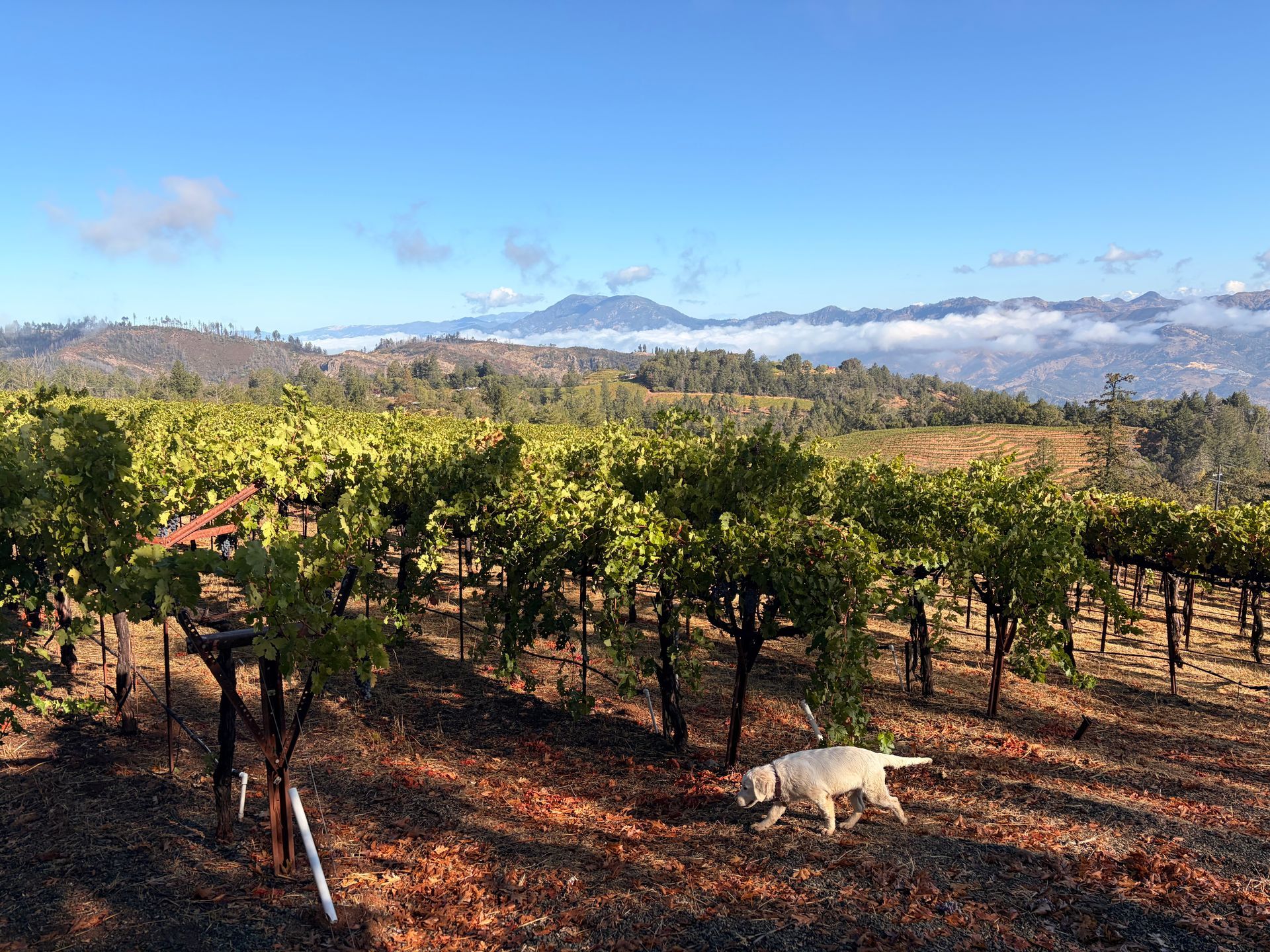
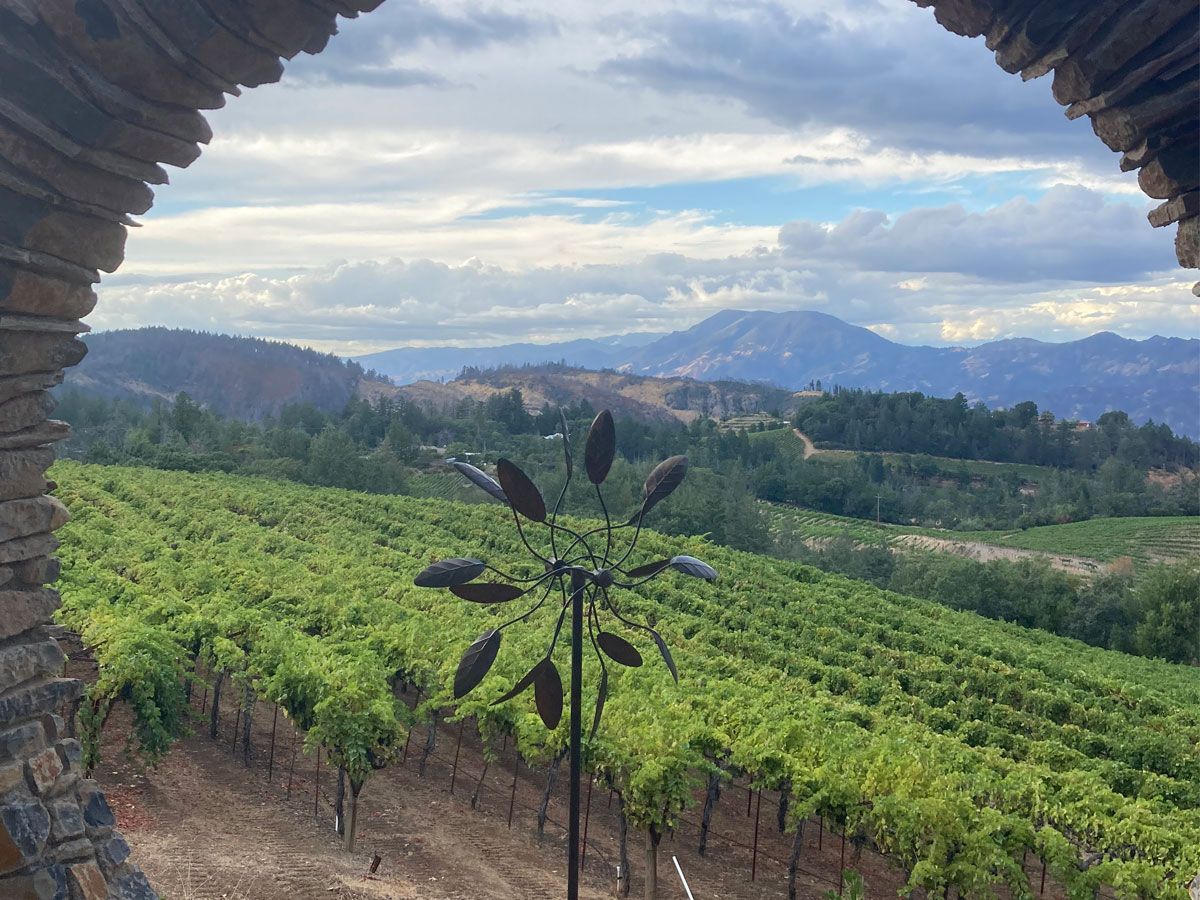
Napa Valley is more spread out than many first-time visitors expect. A winery that looks nearby on a map may take longer to reach than expected, particularly when your destination is one of Napa Valley’s mountain appellations. The drive is often part of the experience, carrying you away from the bustle of the valley floor and into a quieter, more intimate side of Napa, like the curving roads of Spring Mountain where the wine is divine and the views are spectacular. Our guide to
Napa Valley's most scenic drives
can help you plan the route.
Allow extra time for the winding mountain roads so you can enjoy the
drive and arrive at your tasting relaxed rather than rushed. Grouping wineries by location can keep you from spending much of the day in the car. It can also make the day feel far more relaxed.
How Many Wineries to Visit in One Day: Two or Three May Be Plenty
It is easy to overbook a Napa itinerary. Two or three full tastings in one day can be a lot, particularly when each appointment lasts an hour or longer.
Instead of scheduling three formal tastings, you might book one or two appointments and stop somewhere else for a glass of wine. This gives you more flexibility and can also help you avoid turning the day into a $500 marathon of tasting fees.
Leave extra time between appointments. You may get slightly lost, encounter traffic, spend longer than expected at a winery, or simply want to enjoy the view. Rushing is no fun for you, your driver, or the winery waiting for you.
Good winery etiquette applies here too: if you are running late, call the winery as soon as possible. Smaller wineries often schedule one group at a time, so a late arrival can affect the rest of their day.
Understand Reservations and Deposits
Many wineries require reservations, and some collect a deposit or tasting fee in advance, deposits help protect against no-shows.
This is particularly common at smaller or more remote wineries. Unlike a busy tasting room that can accommodate a steady stream of visitors, an appointment-only winery may reserve a host, table, and significant amount of time specifically for your group.
If your group prefers a spontaneous style of travel, focus on wineries and tasting rooms that clearly welcome walk-ins.
You are more likely to find these options along the valley floor and in the towns of Napa Valley. Mountain wineries and small family-owned estates are more likely to require advance reservations so their small teams are prepared when you arrive.
Be sure to review the cancellation policy before booking. If your plans change, give the winery as much notice as possible.
Plan for Food and Water
Not every winery can serve food. Some offer cheese, charcuterie, or other pairings, but many do not because their permits do not allow for it or the style of experience they provide isn’t built around food.
Eat before your first tasting and plan a real meal during the day. It is also wise to keep a small emergency snack in the car for the time between appointments. Wine on an empty stomach, followed by a drive on winding mountain roads, is not an ideal combination.
Drink water throughout the day, and always arrange safe transportation if everyone in your group plans to taste.
Do You Have to Buy Wine After a Tasting?
You are not required to purchase wine after every tasting unless the winery clearly states it. However, most wineries would prefer to charge you for bottles of wine
rather
than tasting fees.
If you enjoyed the experience and the wines fit your budget, purchasing a bottle is a meaningful way to support the winery. This is especially true at small, family-owned estates where selling wine has a far greater impact than charging for tasting fees.
Many wineries waive or reduce tasting fees when a certain number of bottles are purchased. This policy is not always listed on the website, so it is worth asking when you book.
If you love the wines but cannot carry bottles home, ask about shipping. The winery may be able to ship your purchase at a later date or hold it until the weather is safe
for shipping.
Should You Join the Wine Club?
You may be invited to
join a winery’s wine club, but you should never feel pressured to decide immediately.
A wine club can be a good fit if you genuinely enjoyed the wines and would like to receive them regularly. Before joining, ask about:
- The number of shipments each year
- The number of bottles in each shipment
- Estimated wine and shipping costs
- Member discounts and tasting benefits
- How long the membership commitment lasts
- Whether you can customize or skip shipments
Joining a wine club is less about getting the largest discount and more about continuing a relationship with a winery you want to support.
Do You Tip at a Wine Tasting in Napa?
Napa is a hospitality community, and tipping is appreciated, although
wine tasting tipping etiquette varies from winery to winery.
If your host spends an hour or more answering questions, sharing stories, personalizing the tasting, or otherwise going the extra mile, a tip is a thoughtful acknowledgment of that service. Depending on the experience, guests may leave approximately 10% to 25% of the tasting bill, but the amount is entirely up to you.
If you are unsure whether a winery accepts tips, it is perfectly appropriate to ask.
Cash tips are often appreciated, but bring smaller bills. Many small wineries no longer keep a full cash drawer, which can make providing change difficult. Some wineries also allow gratuity to be added to a credit-card payment.
Purchasing wine and tipping serve different purposes: the bottle purchase supports the winery, while the tip recognizes the person who hosted your experience.
Relax and Enjoy the Experience
Most wineries will go out of their way to make you comfortable. We are happy that you chose to visit, and we want you to leave with a positive memory, whether that means taking home a bottle, joining the wine club, recommending the winery to a friend, or simply making memories.
Good wine tasting etiquette comes down to a few simple tasks: do some research, ask questions, leave room in your schedule, and be honest about what your group enjoys. Napa Valley has an experience for nearly every kind of wine drinker. The key is choosing the one that is right for you.
When you are ready to plan your day,
book a Spring Mountain tasting at Paloma Vineyard or
reach out to our team with any questions.
Frequently Asked Questions About Napa Wine Tasting Etiquette
What Is Proper Wine Tasting Etiquette at a Napa Winery?
Proper wine tasting etiquette at a Napa winery is a short list of courtesies that keeps the visit relaxed for you and your host. Arrive on time, or call as soon as you know you will be late, as smaller wineries often host one group at a time. Eat before your first appointment, drink water throughout the day, and arrange a driver if everyone in your group plans to taste. It is perfectly fine to use the spit cup or pour out wine you do not want to finish, and hosts expect it, especially at your second or third stop of the day. Ask questions, since winery teams enjoy sharing the story behind each wine. Buying a bottle is a kind gesture but is not required unless the winery states it. If your host goes the extra mile, a tip of 10% to 25% of the tasting bill is a thoughtful thank-you.
Can You Visit Napa Wineries Without a Reservation?
Yes, you can visit some Napa wineries without a reservation, but many require one. Walk-in friendly tasting rooms are most common along the valley floor and in towns such as Napa, Yountville, St. Helena, and Calistoga, where tasting rooms are set up for a steady flow of visitors. Mountain wineries and small family-owned estates are far more likely to be appointment-only, because teams are smaller, and time is spread amongst other tasks. Many of these wineries also collect a deposit or tasting fee in advance to protect against no-shows. If you prefer to travel without a fixed plan, build your day around walk-in tasting rooms and call ahead before driving up a mountain road. For a seated, appointment-only experience on Spring Mountain, you can
reserve a mountain tasting at Paloma Vineyard before your trip.
Are Tasting Fees Waived When You Buy Wine in Napa?
Tasting fees are often waived or reduced when you buy wine, but the policy varies from winery to winery. Many Napa wineries credit all or part of the tasting fee toward a purchase once you reach a set number of bottles, while others apply the waiver only to wine club members. These policies are not always listed on the winery’s website, so the easiest approach is to ask when you book. Knowing the answer ahead of time helps you plan your budget and avoids an awkward moment at the end of the tasting. If the wines are not the right fit, you are under no obligation to buy, and the tasting fee simply covers the experience. Asking about fees, shipping, and club benefits before you arrive is part of good Napa wine tasting etiquette, and most hosts are happy to explain.