Is Paloma Vineyard Worth Visiting? An Honest Look at Our Spring Mountain Tasting

Yes,
Paloma Vineyard is one of the most memorable tasting experiences on Spring Mountain and in Napa Valley, and this Paloma Vineyard review will show you exactly why. Instead of a crowded tasting room, you are welcomed onto a working family estate with sweeping mountain views, small-lot Merlot and Cabernet, and a host who knows the story behind every glass poured. If you are trying to decide whether it belongs on your Napa Valley itinerary, here is an honest look at what the experience actually involves, from the setting to the wines to what it costs to book.
What Makes Paloma Different From a Large Commercial Winery
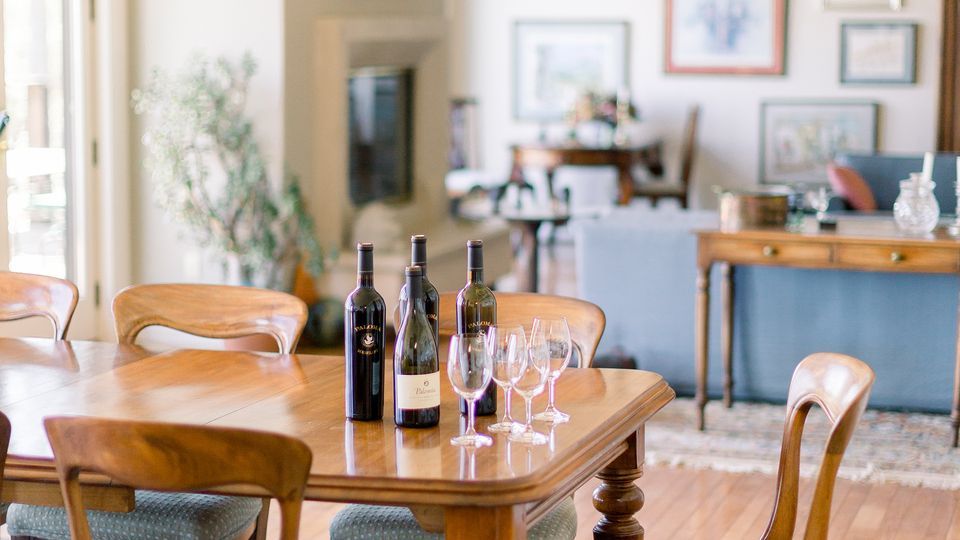
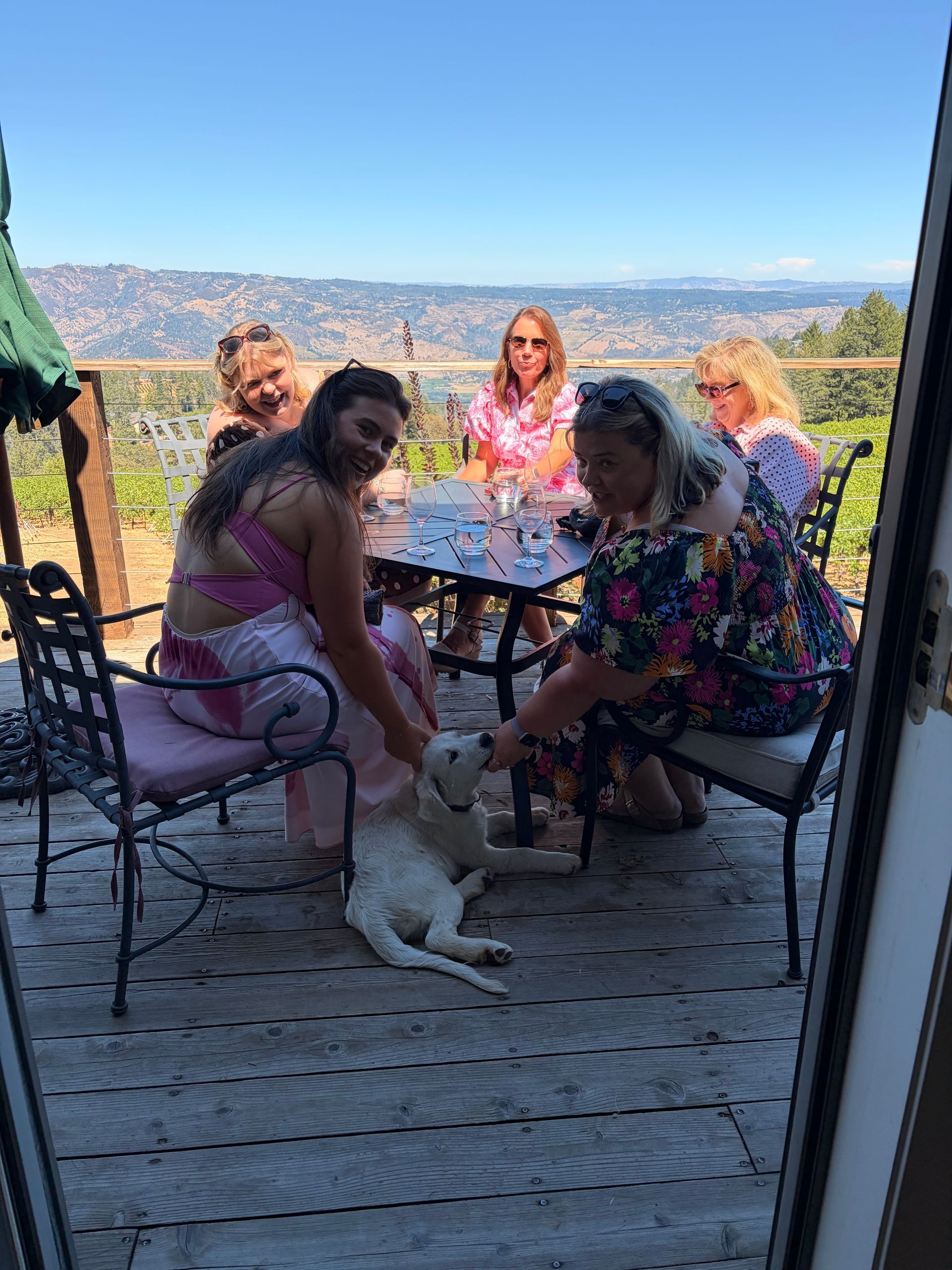
Many Napa Valley wineries are built for volume: large tasting rooms, set pour lists, and a schedule that moves you along. Paloma Vineyard is the opposite. The tasting takes place on the family's own Spring Mountain property in the Richards family home in a setting built for conversation rather than crowds.
The person pouring your wine is not reading from a script. Whether it is a family member or a longtime team member, you will hear the real history of the estate: how the vineyard was planted, why Spring Mountain fruit tastes different, and how the Richards family has maintained the original ownership of the property for 43 years. The intimate and personal service is the main reason first-time visitors describe the tasting experience as one of the better ones they have had in Napa.
Group sizes stay small on purpose, so nobody is rushed through a pour list to make room for the next group waiting outside.
What a Typical Visit to Paloma Looks Like
A visit starts the way a visit to a family estate should: you arrive by appointment, park near the house, and are welcomed onto the property rather than checked in at a counter. From there, your host walks you through the current pours in order, usually starting with the estate's signature Merlot finishing with an estate Cabernet Sauvignon, pausing to explain,the vintage year, or the winemaking decision behind each glass.
There is no set script and no pressure to move quickly. Questions are encouraged throughout, whether that means asking about food pairings, the estate's farming practices, or how a particular vintage compares to previous years. Most visitors describe the pace as unhurried, which is part of what separates a Spring Mountain estate tasting from a valley floor tasting room built to move large numbers of guests through on a schedule.


What You Will Taste at Paloma
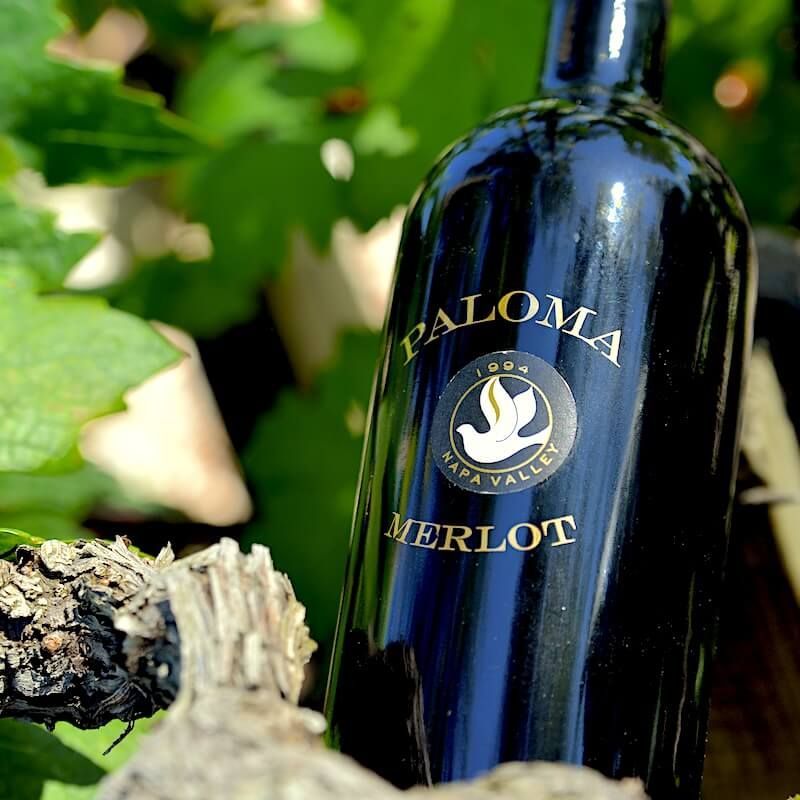
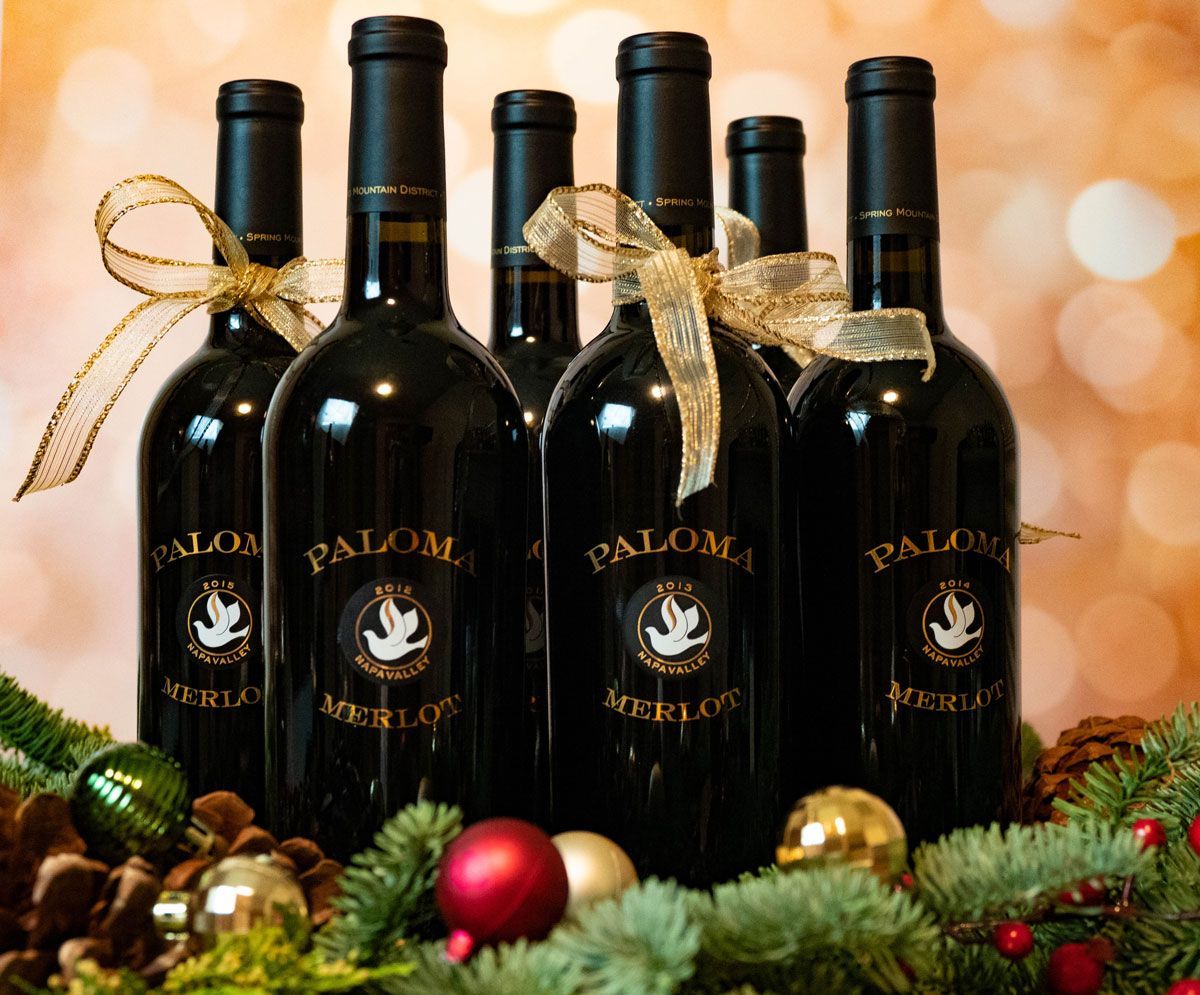
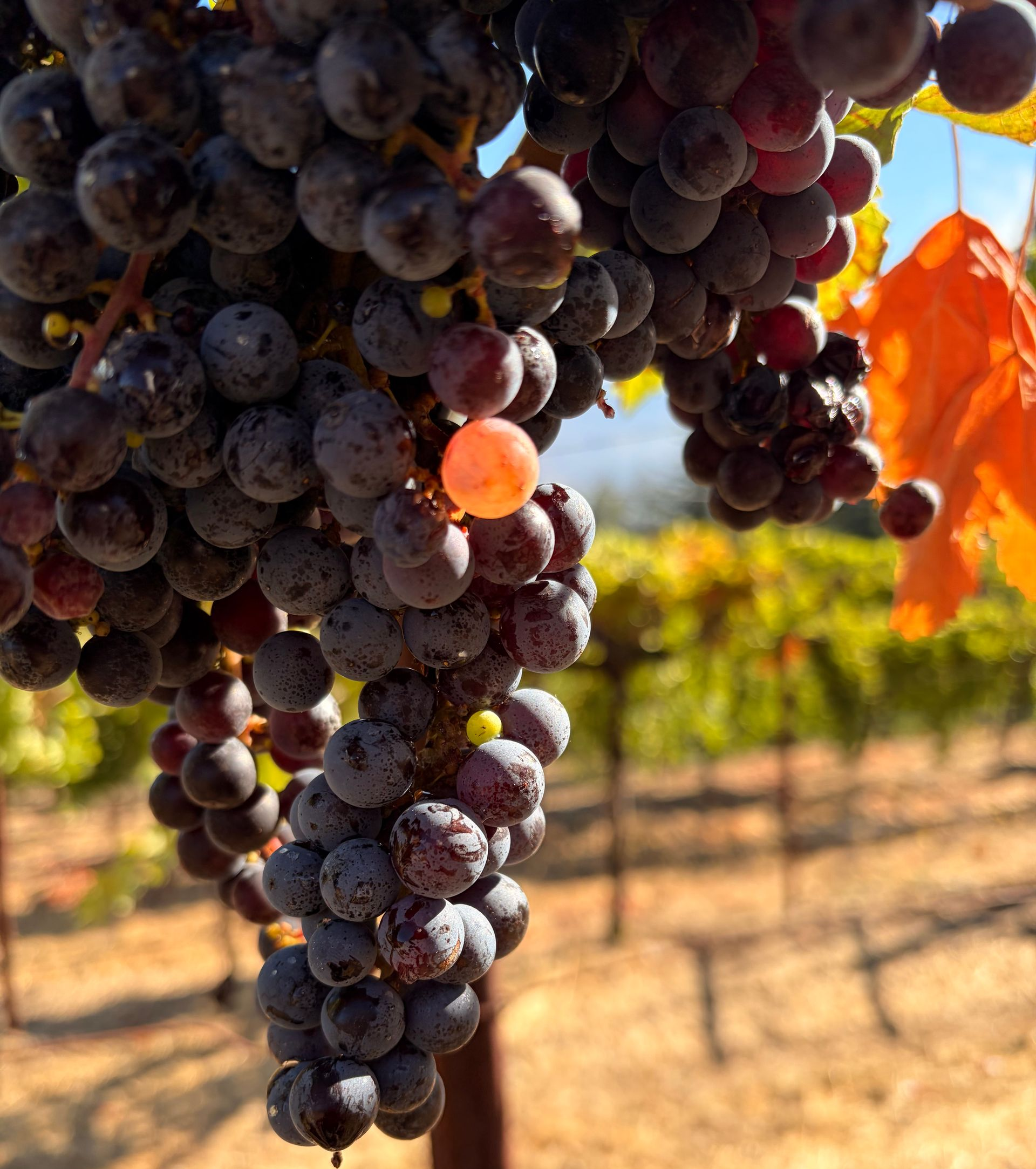
A Paloma Vineyard tasting experience centers on the estate's Spring Mountain Merlot, alongside Cabernet Sauvignon and Cabernet Franc, each made from mountain fruit grown on our estate. Because production is small, you are tasting wine made in limited quantities rather than a large commercial blend. Best of all, customers consistently remark that our wines are fairly and approachably priced from one vintage to the next.
Mountain fruit ripens differently to fruit grown on the valley floor, and it shows in the glass. The wines tend to carry more structure and a firmer tannin backbone, which is part of why Paloma's Merlot is often described as more concentrated than what people expect from the variety. Your host will usually walk you through how each vintage differs, so you leave with a real sense of what makes Spring Mountain fruit distinct rather than a generic pour-and-move-on experience.
The Setting: Views, Garden, and the Feel of an Estate
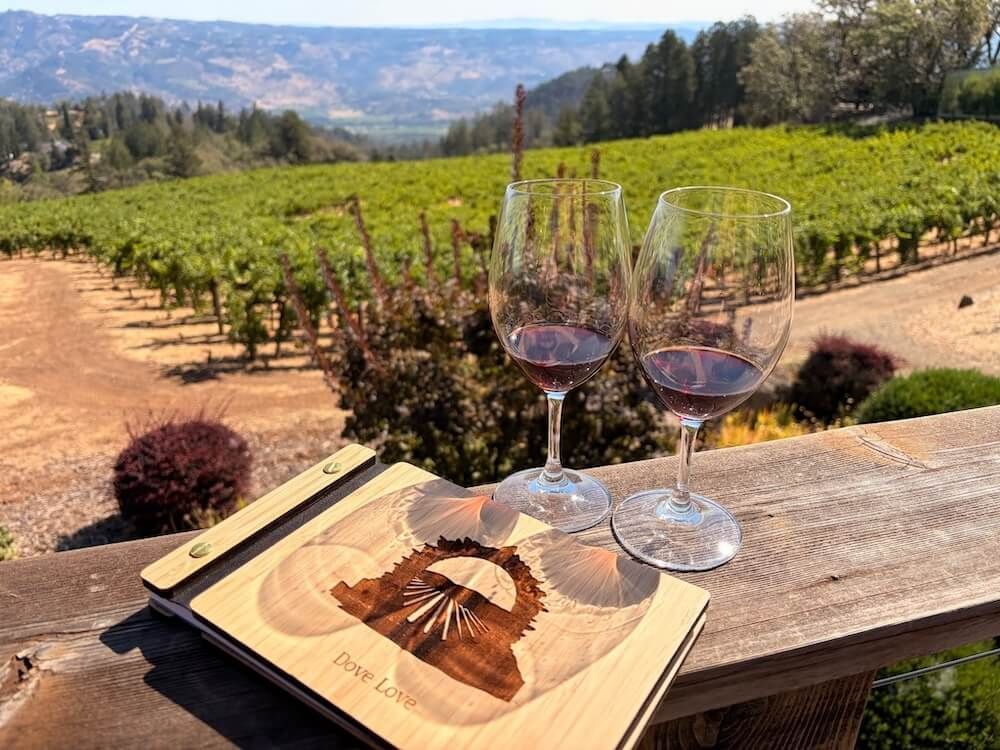
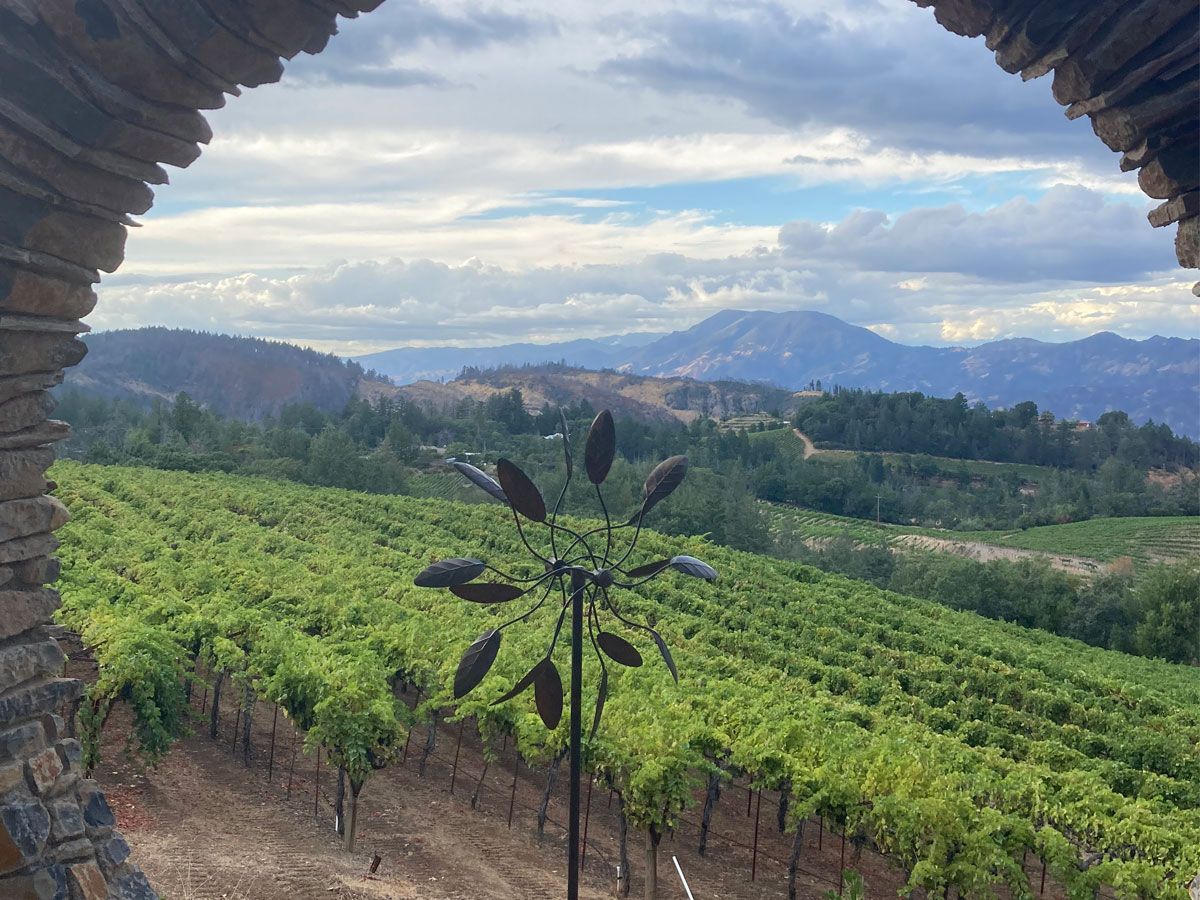
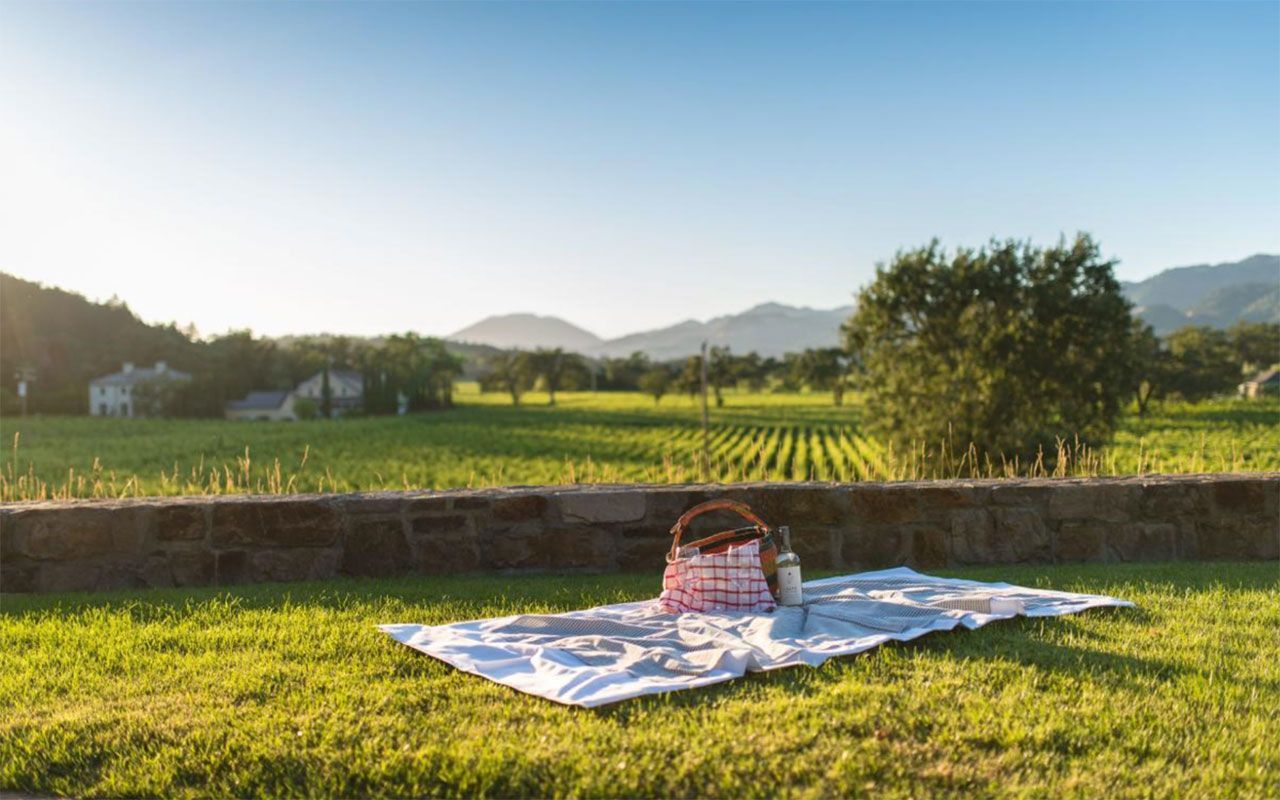
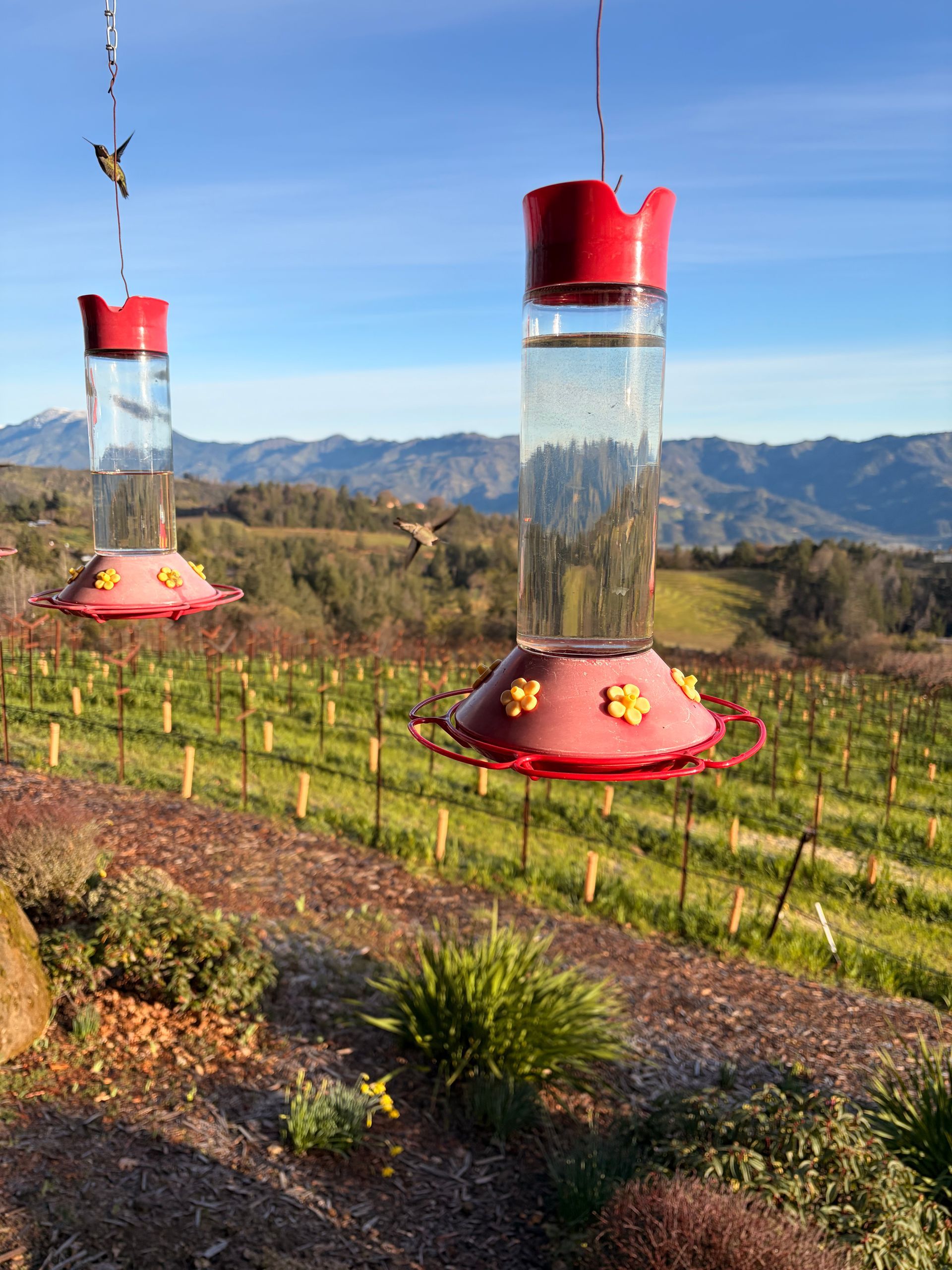
Spring Mountain sits above the valley floor, and the estate takes advantage of it. Tastings happen with a view where the eyes gaze over the vines into the valley below, in a setting that feels closer to visiting someone's home than checking into a tourist attraction. For anyone comparing a mountain winery to a valley floor winery, this is one of the clearest differences: fewer visitors at one time, and a setting shaped by the family rather than a hospitality department. See what makes Spring Mountain District different from the valley floor before you go.
Who This Tasting Experience Suits Best
Paloma works well for a range of visitors, and it is worth reading through what to expect before you
plan your visit. Serious wine collectors appreciate the small-lot Merlot and the chance to ask detailed questions about the winemaking. Couples looking for a quieter, more intimate stop on a Napa itinerary consistently rate it as a highlight. First-time visitors who want an authentic introduction to Spring Mountain, rather than a large-scale production, tend to leave saying it was worth visiting for exactly that reason.

Booking, Length, and Cost: What to Expect
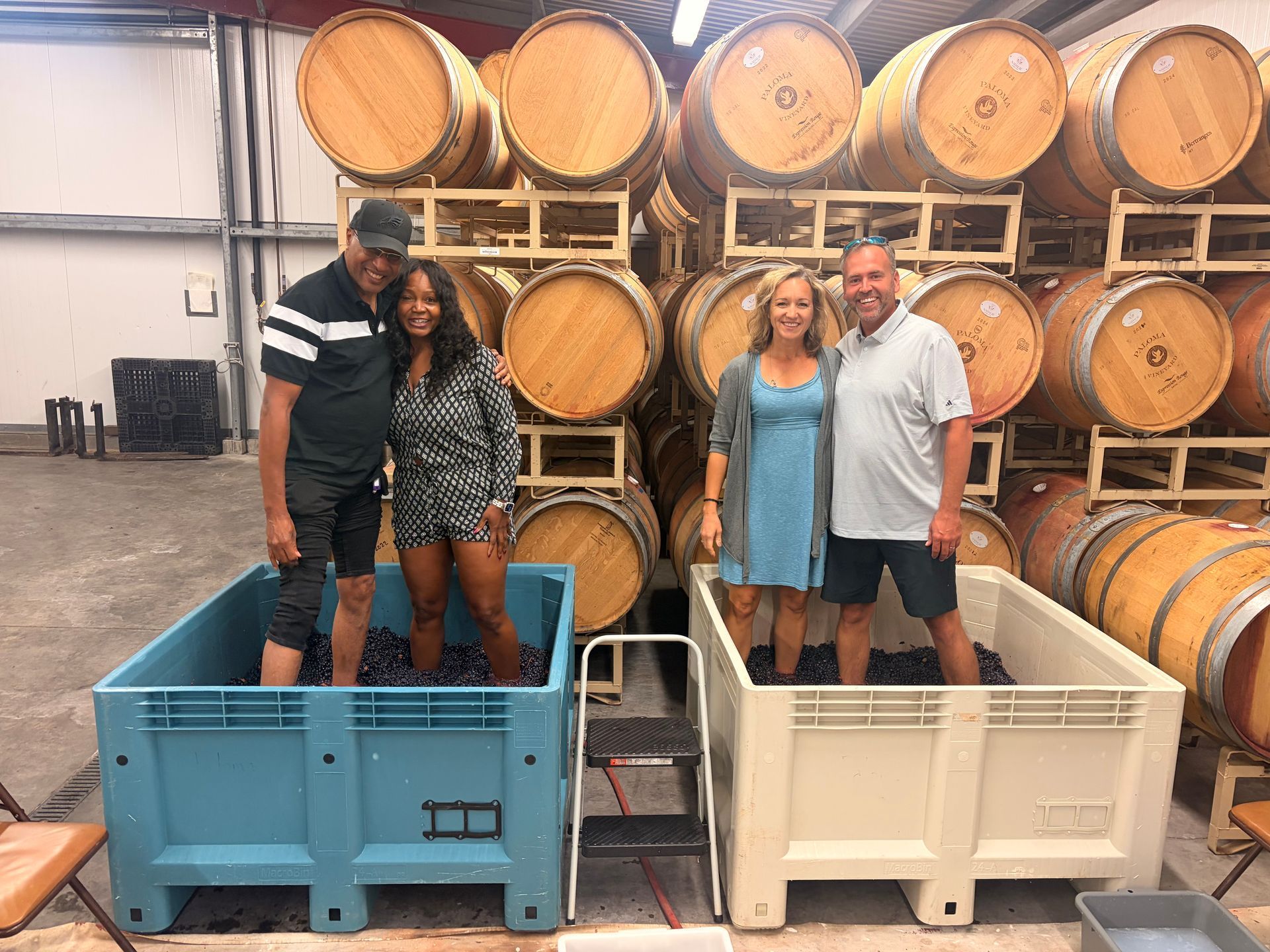
Like most Spring Mountain estates, Paloma Vineyard is appointment-only, so it is worth booking ahead rather than planning to walk in, during the mid-April to mid-November high season and the especially during August to October harvest period, when appointments fill up further in advance. A tasting typically runs long enough to move through the current pours at an unhurried pace, with time for questions along the way. A Home Sweet Home tasting at Paloma runs for an hour at $60 per person, this fee is waived per two bottle purchase. The Barrel Tasting Experience is an hour and a half at $90 per person and is waived per 3 bottle wine purchase.
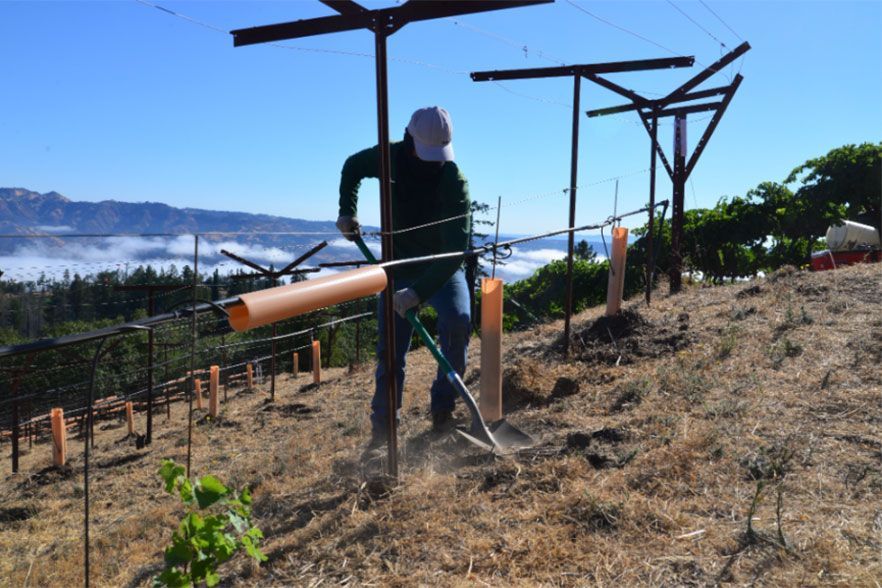
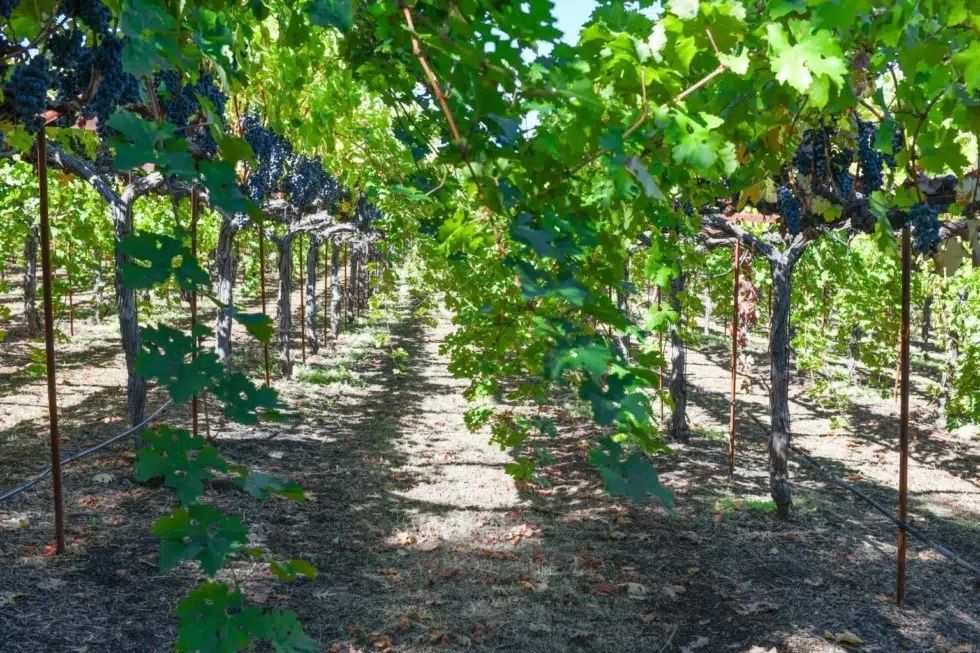
One of the perks for visiting an active vineyard is that you get to see it in action all year around regardless of what time of year you visit—there is always something going on. Pruning, cover crop spreading in winter, tucking, shoot thinning, and flowering in spring, canopy management in summer.
Your Questions About Visiting Paloma Vineyard, Answered
Is Paloma Vineyard Worth Visiting If I Am New to Wine Tasting?
Yes. Paloma Vineyard is a great starting point for a first Napa Valley wine tasting because the group sizes are small and the host is there to explain what you are drinking, not just pour it. There is no pressure to know wine terminology in advance, and questions are welcome throughout the tasting.
How Long Does a Tasting at Paloma Vineyard Take?
A Paloma tasting is designed to be unhurried rather than rushed through on a fixed timer. Home Sweet Home is one hour long and the Barrel Tasting is one and half hours long. Each experience provides ample time to enjoy the tasting, ask questions, take in the view, and make a purchase, if you desire, without being rushed out the door. H3: Do I Need to Book a Tasting at Paloma Vineyard in Advance?
Yes. Paloma Vineyard, like other Spring Mountain estates, is appointment-only rather than open for walk-ins. Booking ahead is important during the high season from mid-April to mid-November and especially during harvest from August to October, when appointments fill up faster. This ensures the best experience for all.
What Makes Paloma's Merlot Different From Other Napa Valley Merlot?
Paloma's Merlot comes from small-lot Spring Mountain fruit rather than large-scale valley floor production, which is part of what makes the tasting experience feel more personal. The mountain fruit and limited production are covered in more detail on the Spring Mountain Merlot page.
What Is the Best Time of Year to Visit Paloma Vineyard?
The high season runs from mid-April through mid-November, with harvest between August and October offering the most active look at the estate. Visitors who want a quieter appointment and lighter crowds across Napa Valley more broadly may prefer the low season between mid-November and March, though the tasting experience itself stays the same year-round.
If you are weighing out whether Paloma Vineyard is worth visiting on your next Napa Valley trip, the short answer is yes: small-lot Merlot, family-run Spring Mountain estate, and a tasting built around conversation rather than a crowd.
Book a tasting at Paloma Vineyard and see for yourself.